

Taktische Remixe und Neuerfindungen, mit denen niemand gerechnet hat: Auch von der WM in Brasilien darf man sich Impulse für das künftige Fußballspiel erhoffen. Nur begeistert sein fällt angesichts der Probleme im Austragungsland schwer. Ein Interview mit dem Sportsoziologen Thomas Alkemeyer.
FRAGE: Herr Alkemeyer, kann man von der Fußball-Weltmeisterschaft in Brasilien reden, ohne über die sozialen Proteste zu reden?
ALKEMEYER: Dass dies durchaus geht, wird man mit dem Beginn der WM auf den Sportseiten vieler Tageszeitungen sehen. Angemessen ist es allerdings nicht. Seit einem Jahr wird in Brasilien regelmäßig gegen die WM demonstriert. Und das in einem Land, in dem die Fußballleidenschaft sprichwörtlich ist. Die Regierung will ein Gesetz verabschieden, das Demonstranten unter Terrorverdacht stellt. Die Menschen fühlen sich von den enormen wirtschaftlichen und sozialen Problemen des Landes bedroht und nutzen die WM, um auf diese Probleme aufmerksam zu machen. Die Proteste treten Diskussionen über die Prioritäten des Landes los. Zum Beispiel darüber, ob nicht eher in Gesundheit, Bildung und ein vernünftiges Transportwesen investiert werden müsse als in überdimensionierte Stadien irgendwo in der Peripherie wie in Manaus – mitten im tropischen Regenwald.
FRAGE: Blatters Haltung zu den sozialen Protesten ist eindeutig: Sie seien „keine Angelegenheit für die FIFA“.
ALKEMEYER: Blatter zieht sich auf den Standpunkt zurück, man habe Brasilien die WM ja nicht aufgezwungen; die Verantwortung für exorbitante Kosten und die Auswahl der Spielorte liege allein beim Ausrichterland. Das ist zwar nicht völlig falsch, aber die FIFA stellt auch strikte Anforderungen. Blatter verkörpert die Selbstherrlichkeit und Profitorientierung dieses Verbandes geradezu idealtypisch. Generell zieht sich die Behauptung einer Trennung zwischen Sport und Politik wie ein roter Faden durch die Stellungnahmen hochrangiger Sportoffizieller. Dabei wirken ihre Entscheidungen durchaus politisch.
FRAGE: Können Sie ein Beispiel nennen?
ALKEMEYER: Nehmen wir nur die Entscheidung der FIFA für das Emirat Katar als Austragungsort der Fußball-WM 2022 – ein Land ohne jede Fußballtradition, in dem bekanntlich auch die Menschenrechte nicht allzu genau genommen werden. Laut „Sunday-Times“ waren ehemalige FIFA-Funktionäre wie das langjährige FIFA-Exekutivmitglied Mohamed Bin Hammam massiv an Bestechungen beteiligt, die der Bewerbung Katars dienten. Inzwischen ist der Druck auf die FIFA so stark gewachsen, dass eine Neuvergabe des Turniers immer wahrscheinlicher wird.
FRAGE: Sehen Sie Möglichkeiten auf Seiten der Fußballfreunde, Einfluss auf die FIFA zu nehmen?
ALKEMEYER: Es ist schwer, die Abhängigkeiten sind groß. Immerhin halten wir alle mit der Fernbedienung einen Schalthebel für mögliche Veränderungen in den Händen. Die FIFA vergibt die Übertragungsrechte für alle WM-Spiele. Für sie sind die Weltmeisterschaften ein Erfolgsprodukt nur dank hoher Einschaltquoten. Wenden sich die Zuschauer ab, wäre das eine Chance.
FRAGE: Sie werden sich das Eröffnungsspiel in der Arena São Paulo am 12. Juni, wo Brasilien auf Kroatien trifft, nicht anschauen?
ALKEMEYER: Das fällt auch mir als Fußballbegeistertem schwer. Aber meine Begeisterung ist getrübt. Ich werde mir es vor jedem Spiel neu überlegen, ob ich einschalte oder nicht.
FRAGE: Wer wird denn aus Ihrer Sicht das Turnier gewinnen?
ALKEMEYER: Zwar konnten die Brasilianer in ihren letzten Vorbereitungsspielen nicht völlig überzeugen, dennoch sind sie für mich die Favoriten. Ein Großteil der brasilianischen Nationalspieler spielt in den Ligen Europas. Sie kennen den starken europäischen Spitzenfußball aus dem „ff“. Und sie haben mit Luiz Filipe Scolari einen ausgebufften Nationaltrainer, der es bereits in der Vergangenheit verstanden hat, Individualisten und Superstars zu einer Mannschaft zu formen.
FRAGE: Gibt es spielerisch-sportliche Aspekte der WM, auf die Sie sich besonders freuen?
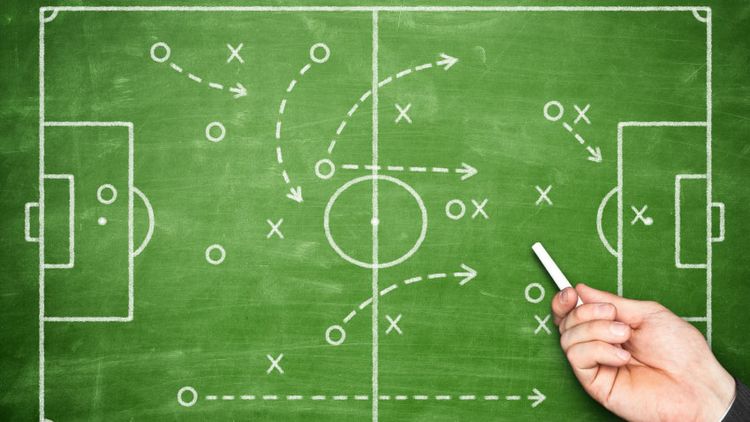
ALKEMEYER: Ja, etwa auf die Auseinandersetzung der unterschiedlichen Spielsysteme, auf taktische Remixe und Neuerfindungen, auf Ad-Hoc-Strategien beim Umgang mit den Kontingenzen des Spiels. Mit den beiden Madrider Spitzenclubs standen ja zwei Mannschaften im Finale der Champions League, die mit ihren Varianten eines avancierten Konterfußballs einen Gegenentwurf zum ballbesitzorientierten Spiel Barcelonas oder Münchens aufs Spielfeld zauberten. Und die Geschichte der „Revolutionen auf dem Rasen“ – nach dem Buch von Jonathan Wilson – zeigt: Jede Dominanz eines Spielstils wird über kurz oder lang mit kreativen Gegenentwürfen beantwortet. Eben dies macht den Fußball ja auch soziologisch so interessant.
FRAGE: Wie schätzen Sie die Chancen der deutschen Nationalmannschaft ein?
ALKEMEYER: Nicht gar so schlecht, obwohl ich zur Skepsis neige: „Wir“ haben den besten Torwart hinter einer labilen Abwehr; das Mittelfeld ist – trotz aller Verletzungsprobleme – hervorragend besetzt; und Miroslav Klose als einziger echter Stürmer ist – nun ja – zwar in die Jahre gekommen, aber immer (noch) für Tore gut. Zudem ist die deutsche Mannschaft, ich kann mir diesen Satz für das Phrasenschwein nicht verkneifen, traditionell eine Turniermannschaft. Und Traditionen verpflichten: Le mort saisit le vif, wie man in Frankreich zu sagen pflegt.