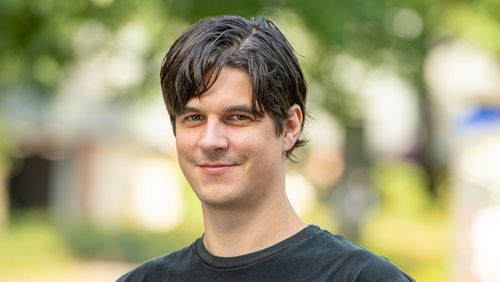


Seine Forschung einem Laien zu erklären, ist gar nicht so einfach: Computermathematiker Florian Heß über Parallelen zum Autobau, über die Ironie der Geschichte - und eine ungelöste Millionfrage.
FRAGE: Sie haben kürzlich ein sechsjähriges, von der Deutschen Forschungsgemeinschaft gefördertes Projekt abgeschlossen, dessen Titel ich leider nicht verstanden habe. Könnten Sie mir als einer Fachfremden überhaupt erklären, was sich hinter „Algorithmic Methods for Arithmetic Surfaces and Regular, Minimal Models“ verbirgt?
HESS: Die Schwierigkeit in der Mathematik liegt häufig darin, dass es eine sehr lange Vorgeschichte gibt. Das sind dann Sachen, die schon seit 200 oder 300 Jahren oder noch länger erforscht werden, und das baut immer weiter aufeinander auf. Das, was andere vor langer Zeit erarbeitet haben, wird nicht hinfällig, sondern bildet das Fundament weiterer Forschung. Und um die Spitze zu verstehen, muss man häufig relativ weit runter gehen bis zu den Fundamenten. Das ist nicht überall so, aber in Zahlentheorie und Geometrie sicherlich – deren Synthese die Fragen für unser Projekt geliefert hat. Dort geht vieles schon auf die Griechen zurück, aus der Schule kennen die meisten zum Beispiel den Satz des Pythagoras. Aber gewisse Fragen benötigen dann Werkzeuge, die immer komplizierter und zunehmend abstrakt werden – das versteht man eben nicht ohne weiteres.
FRAGE: Dann müssten Sie Interessierte also erst einmal in ein mathematisches Grundlagenseminar schicken?
HESS: In der Tat kann es schon dauern, ein Forschungsprojekt wie das nun abgeschlossene verständlich zu machen. Aber das geht Laien ja nicht nur mit der Mathematik so: Wenn man zum Beispiel an ein Auto denkt, ist es ähnlich. Man kann es zwar bedienen, aber wie es im Innern tatsächlich funktioniert, und wie man die Werkzeuge im Autobau oder in der Werkstatt zum Einsatz bringen muss, weiß man im Detail nicht. Und je mehr Computer in Autos drinsteckt, umso komplizierter und undurchsichtiger wird es ja. So ist es in der Mathematik im Grunde auch. Das baut sich alles auf. Ein Gedankengebilde mit Werkzeugen, das sehr umfangreich wird.
FRAGE: Obgleich es sich in vielen Disziplinen ähnlich verhalten mag – warum erscheint die Mathematik für viele besonders schwer greifbar?
HESS: Weil sie sich zudem nicht unbedingt an Dinglichem, an Sachen aus der Realität festmachen muss. Es ist eine geistige Konstruktion, wo man nicht mehr auf technische Einschränkungen oder haptische Greifbarkeit Rücksicht nimmt. Zum Beispiel Dinge, die sich in höheren Dimensionen abspielen, kann man sich im dreidimensionalen Raum ja nicht vorstellen. Die Mathematik geht in gedankliche Bereiche hinein, die von der Anschauungswelt entkoppelt sind.
FRAGE: Wenn es so abstrakt wird, ist dann neben dem Erklären mathematischer Forschung auch der Transfer von deren Ergebnissen besonders schwierig? Oder geht es zunächst weniger um einen Anwendungsbezug?
HESS: Das ist unterschiedlich. Manchmal geht es schlicht um offene innermathematische Fragen, die es auf theoretischer Ebene zu lösen gilt. Es gibt aber auch angewandte Fragen, zum Beispiel aus der Physik, der Statik oder der Wirtschaftswissenschaft, bei denen man ebenfalls mit mathematischen Lösungsverfahren etwas erreichen kann. Da wäre das Ziel natürlich, konkret diese Anwendungsfragen beherrschbar zu machen.
FRAGE: Die Komplexität mathematischer Forschung hinterfragt wohl kaum jemand. Haben Sie auch das Gefühl, dass die Relevanz jedem klar ist?
HESS: Nicht unbedingt. Unter Relevanz verstehen die meisten wohl zuerst den Nutzen für konkrete Anwendungen. Bei angewandter Mathematik, wo eben mathematische Methoden dazu dienen, Probleme aus der Realität zu lösen, sind Sinn und Zweck sicherlich klarer.
FRAGE: Muss sie denn angewandt sein?
HESS: Der englische Mathematiker und Zahlentheoretiker Hardy zum Beispiel fand gerade das nicht erstrebenswert. So war er 1940 stolz darauf, dass die Zahlentheorie eine Wissenschaft frei von jeglichem schädlichen Einfluss der realen Welt sei; nur um ihrer selbst, um ihrer eigenen Schönheit willen ins Leben gerufen. Die Ironie der Geschichte: Gerade um diese Zeit und genau in diesem Trend entwickelte sich im Bereich der Zahlentheorie eine Mathematik, die jetzt – wo es Computer gibt – die Grundlage der Internetsicherheit bildet und damit aus heutiger Anwendungssicht als hochrelevant anzusehen ist. Das hat sich damals natürlich keiner träumen lassen. Kryptografie, Verschlüsselung, digitale Unterschriften basieren darauf, auf einer Mathematik, die ohne Anwendungsinteresse entwickelt wurde. Oft besteht die Relevanz mathematischer Forschung aber auch aus ihren innermathematischen Anwendungen auf Fragestellungen, die nur mittelbar mit ursprünglichen Anwendungsfeldern wie zum Beispiel der Physik in Verbindung stehen.
FRAGE: Und in Ihrem Forschungsprojekt spielt der Computer auch eine wichtige Rolle – Stichwort algorithmische Methoden?
HESS: Genau. Die Computer sind auch das Element, das unsere gesamte Arbeitsgruppe Algebra eint: Wie kann man unter Computereinsatz bestimmte Fragestellungen behandeln? Noch im 19. Jahrhundert haben Mathematiker enorm viel von Hand gerechnet. Die Rechenmeister damals haben es ans Limit getrieben; es gab Leute, die haben jahrelang Logarithmentafeln durchgerechnet. Nebenbei bemerkt: das könnte heute ein Computer binnen einer Sekunde erledigen. In der ersten Hälfte des 20. Jahrhunderts kam dann die Theoriebildung sehr stark voran. Und seit es Computer gibt, ist es in Mode gekommen, wieder experimenteller zu rechnen: Wie verhalten sich die Sachen, welche Gesetzmäßigkeiten könnten gelten?
FRAGE: Hinterfragt man also Dinge nochmal neu? Oder versucht man es möglichst akkurat aus dem Analogen ins Digitale zu übertragen?
HESS: Ums Hinterfragen von Dingen, die bereits bewiesen sind, geht es eher seltener. Aber es gibt viele offene Fragen. Eine berühmte Frage, die schon ziemlich alt ist und von Riemann aus der Mitte des 19. Jahrhunderts stammt, betrifft die Nullstellen einer bestimmten Funktion – recht kompliziert. Riemann lieferte auch gleich eine mutmaßliche Antwort mit, welche besagt, dass diese Nullstellen im Wesentlichen alle auf einer Geraden liegen. Per Computer ist mittlerweile für die ersten Billionen Nullstellen ausgerechnet, dass es so ist – aber der Beweis, dass es immer so ist, fehlt. Das ist eines der größten ausstehenden Probleme der Mathematik, insbesondere auch deswegen, weil viele Gesetzmäßigkeiten in der Zahlentheorie davon abhängen. Wenn man das löst, bekommt man als Preisgeld der Clay Foundation eine Million US-Dollar und ist auf Ewigkeit berühmt.
FRAGE: Sind Sie da auch dran?
HESS: Nee.
FRAGE. Schade.
HESS: (Lacht) Im Allgemeinen denkt man, dass eine Lösung für die aktuelle Zeit wohl doch noch außer Reichweite liegt. Das Ding ist haarig. Ich beschäftigte mich mit theoretischen Beweisen solcher Probleme auch gar nicht so sehr. Aber sie bringen einen ans Experimentieren. Wenn man hier Billionen Nullstellen auf einer Geraden hat, ist man geneigt zu denken, es müsste wohl stimmen – aber wer weiß… wenn man mit dem Computer eine andere Nullstelle fände, hätte man die bisher geltende Vermutung widerlegt und könnte das vielleicht anschließend noch von Hand beweisen.
FRAGE: Sind Sie denn auch Informatiker?
HESS: Ich hatte es als Nebenfach und bin durchaus informatikaffin, das hilft. Und wenn die Aufgabe lautet 3 hoch 120.000 – das Ergebnis ist eine Zahl mit mehr als 57.000 Stellen – bin ich schon dankbar, dass ich das nicht von Hand ausrechnen muss. Das muss man dem Computer allerdings erstmal beibringen, so etwas mit Kniffs und Tricks möglichst schnell auszurechnen. Er braucht nur Millisekunden dafür. Auch wenn es darum geht, die irreguläre Zahl Pi zum Beispiel bis auf die 3000. Nachkommastelle darzustellen. (Tippt) Hier, die Zahl passt gar nicht mehr auf meinen Computer-Bildschirm – und ich weiß, nach der letzten Ziffer 6 kommt noch was, da habe ich dann eine Ungenauigkeit drin.
FRAGE: Also ganz genau kann man Pi auch mit dem Computer nicht ermitteln, weil die Zahl nie endet.
HESS: In der Numerik ist man zufrieden, wenn die ersten 20 Nachkommastellen richtig sind. Etwa bei der Längenangabe für eine Brücke in Metern dürften sechs Nachkommastellen reichen, das bedeutet dann schon ein Tausendstel Millimeter. Bei uns in der Computermathematik ist das anders, wir brauchen eine höhere Präzision. Weil manchmal aus diesen Zahlen wieder ganze Zahlen werden, die dann natürlich richtig sein sollen.
FRAGE: Falls es um Multiplikation geht – ist das womöglich die „Complex multiplication“, die Sie in ihrem neuen DFG-Projekt nun beschäftigen wird?
HESS: Das hat etwas mit mathematischen Objekten zu tun, bei denen die Multiplikation mit komplexen Zahlen auftaucht. Da spielt die Wurzel aus -1 eine Rolle. Wenn man aus der Steinzeit kommt, kennt man eins, zwei, drei – man kann ja zählen. Ob Felle oder Bären… Eine mentale Steigerung führt dann zu 0 als Zahl. Der nächste Schritt ist es, Gleichungen zu lösen. Aber x+7=3, das geht ja gar nicht. So kommen Minuszahlen ins Spiel. Dann kommt man von ganzen Zahlen auf Brüche, Kommazahlen, später auch auf Wurzelausdrücke. Zum Beispiel Wurzel 2. Wenn man diese Zahl mit sich selbst multipliziert, also zum Quadrat nimmt, kommt wieder 2 heraus. Manchmal allerdings gibt es Gleichungen, die sich auch mit diesen Zahlen nicht lösen lassen. Und was haben wir bisher gemacht in den vergangenen 2000 Jahren? Immer wenn eine Gleichung nicht lösbar war, haben wir den Zahlenraum erweitert. Einen neuen Zahlentyp gebaut – so wie die Wurzel aus -1 – und dann war alles ganz schön. So entstehen die komplexen Zahlen, die man auch miteinander multiplizieren kann.
FRAGE: Es gilt nur das richtige Abstraktionsniveau zu erreichen.
HESS: Ja, und das war so um das 18. Jahrhundert herum. Dann wurde gesagt, die Wurzel aus -1 heißt i, und i zum Quadrat ergibt -1. Schon damals wurde relativ stark opponiert, da haben die Leute nicht mehr so leicht mitgezogen wie vielleicht bei den anderen Sachen, weil ihnen das zu abstrakt vorkam. Deswegen heißt es i, „imaginäre Einheit“ – und scheint weniger leicht akzeptabel zu sein.
FRAGE: An der Stelle habe ich tatsächlich auch ein Problem, Ihnen zu folgen…
HESS: Und warum nur? Das kann auch daran liegen, dass die grundlegenden Spielregeln nicht so klar sind oder waren. In welchem Rahmen bewegt man sich, was ist zulässig, was nicht? Das klärte sich ab Ende des 19. Jahrhunderts, und inzwischen ist es kein Problem, mit diesen Zahlen zu rechnen.
FRAGE: Und das kommt in Ihrem neuen DFG-Projekt zum Tragen?
HESS: Es baut unter anderem auf komplexen Zahlen auf, sagen wir es mal so. Solche Zahlen kommen auf vielen Feldern zum Einsatz, etwa in der Elektrotechnik, sind sozusagen gang und gäbe. In der Schule führt das Thema aber, wenn es überhaupt behandelt wird, oft zu Bauchschmerzen, wohl aus ähnlichen Gründen wie schon im 18. Jahrhundert.
FRAGE: Und wie erklären Sie Ihren Kindern, was Sie machen?
HESS: (Schmunzelt) Meiner vierjährigen Tochter gar nicht. Auch meinem neunjährigen Sohn kann ich es kaum vermitteln. Gerade bei Kindern merkt man, das geht auch irgendwie gar nicht. Man merkt es auch bei sich selbst, man kann immer nur schrittweise vorgehen. Man kann immer nur, basierend auf dem, was man schon kennt, einen Schritt weitermachen. Sobald es zwei oder mehrere Schritte sind, schnallt man es nicht mehr. Dieses Inkrementelle, dass man abgehängt ist, sobald die Lücke zu groß wird – das kennzeichnet eben die Mathematik.
Interview: Deike Stolz