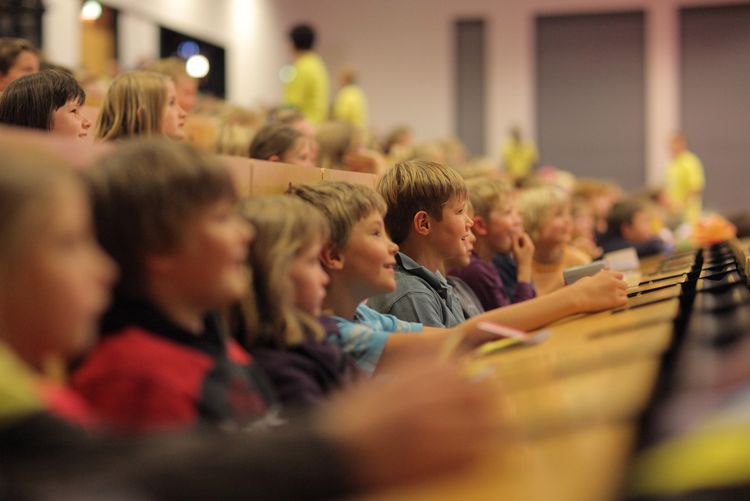
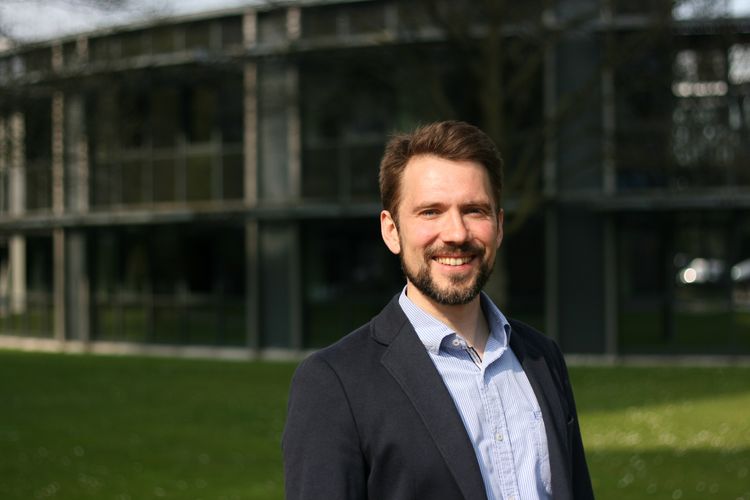


Im Februar und März ist es wieder so weit: Das Audimax öffnet seine Türen für die KinderUniversität. An drei Nachmittagen nehmen Forscherinnen und Forscher die Acht- bis Zwölfjährigen der Region mit auf Entdeckungsreise in die Welt der Wissenschaft. In der ersten Vorlesung am 28. Februar geht es um soziale Netzwerke. Was genau die Kinder erwartet, verrät Sozialwissenschaftler Prof. Dr. Sebastian Schnettler im Interview.
FRAGE: Herr Schnettler, Sie sind noch relativ neu an der Uni Oldenburg, und nun gleich eine KinderUni-Vorlesung mit über 500 Kindern – schon aufgeregt?
ANTWORT: Ja, aufgeregter als sonst. Denn erstens hatte ich in den zwei Jahren, seitdem ich in Oldenburg Professor bin, noch kein so großes Publikum in meinen Vorlesungen. Zweitens habe ich mir sagen lassen, Kinder seien ein besonders anspruchsvolles Publikum. Trockene Vorlesungsthemen sind da ein absolutes No-Go!
FRAGE: „Was uns soziale Netzwerke über die Welt verraten“ – so lautet der Titel ihrer Vorlesung. Was erwartet denn die Acht- bis Zwölfjährigen an diesem Nachmittag?
ANTWORT: Jeder von uns bewegt sich in sozialen Netzwerken: Freunde, Familie, Nachbarn, Lehrer – all dies sind Personen, mit denen wir in unseren sozialen Netzwerken verbunden sind. Aber ist mein Netzwerk mit dem meines Nachbarn oder mit dem der Postbotin verbunden? Oder anders gefragt: Sind eigentlich alle Menschen in Deutschland oder sogar in der Welt über ihre sozialen Netzwerke miteinander verbunden? Mit solchen und ähnlichen Fragen werden wir uns in der Vorlesung beschäftigen.
FRAGE: Warum ist es wichtig, darauf Antworten zu finden?
ANTWORT: Die Kinder werden sehen, dass die Antworten auf diese Fragen sehr relevant sind – zum Beispiel, um vorherzusagen, wie schnell sich Gerüchte und leider auch Krankheiten in sozialen Netzwerken verbreiten können. Außerdem wollen wir den Kindern zeigen, dass soziale und nicht-soziale Netzwerke wie beispielsweise das Straßennetz oder das neuronale Netzwerk ganz ähnlich aufgebaut sind. So können wir aus der sozialwissenschaftlichen Netzwerkforschung auch einiges über technische und biologische Zusammenhänge lernen. Das macht das Thema soziale Netzwerke insgesamt sehr spannend.
FRAGE: Ihren Studierenden würden Sie das Thema vermutlich etwas anders nahebringen...
ANTWORT: Bei meinen großen Studierenden kann ich in der Regel natürlich schon etwas mehr Wissen zum Thema voraussetzen, da sie bei mir und meinen Kolleginnen und Kollegen bereits andere Lehrveranstaltungen zu diesem und zu ähnlichen Themen gehört haben. Aber das ist natürlich ein unfairer Vergleich. Eigentlich ist das Grundprinzip gleich: Um jemanden ein Thema nahezubringen – ob Schüler oder Studentin – ist es wichtig, sich in die jeweilige Lebenswelt hineinzudenken, um interessante Beispiele auszuwählen. Und diese Beispiele sind sicherlich für die Acht- bis Zwölfjährigen andere als für die erwachsenen Studierenden.
FRAGE: Was motiviert Sie, auch Kindern Einblicke in Forschung zu geben?
ANTWORT: Es gibt ja den Trend, Kinder und Jugendliche früh auf mögliche Berufswege vorzubereiten. Das ist allerdings nicht das, was mich motiviert. Denn die heute Acht- bis Zwölfjährigen haben da schon noch eine Menge Zeit, es ist keine übertriebene Eile geboten. Ich finde es aber wichtig, die natürliche Neugier von Kindern durch einen Einblick in die Wissenschaft und Forschung zu fördern. Dies kann das Vertrauen in wissenschaftliche Erkenntnisse steigern, was mir in der heutigen Zeit besonders wichtig erscheint. Denn seit einigen Jahren ist oft die Rede vom postfaktischen Zeitalter, also davon, dass einige Menschen Fakten kein Vertrauen mehr schenken. Wer einen Einblick in die Wissenschaft und Forschung bekommt, lernt, wie Wissen hergestellt wird und vor allem, welchen Quellen man trauen kann und welchen nicht. Das ist eine essenzielle Fähigkeit nicht nur für die Wissenschaft selbst, sondern für ein Leben als aufgeklärte Bürgerinnen und Bürger, zu denen wir unsere Kinder ja erziehen wollen.
FRAGE: Werden Sie in der KinderUni auch über Forschungsmethoden sprechen?
ANTWORT: Der Schwerpunkt der Vorlesung liegt bei den inhaltlichen Themen. Aber wir werden uns auch damit beschäftigen, mit welchen Methoden man früher Informationen über soziale Netzwerke gesammelt hat und wie man dies heute tut. Der Ausschnitt aus der Netzwerkforschung, über den ich berichten werde, bedient sich zwar vornehmlich quantitativer Methoden. In der sozialen Netzwerkforschung insgesamt spielen aber auch qualitative Verfahren eine wichtige Rolle.
FRAGE: Abseits der KinderUni: An welchen Projekten forschen Sie aktuell?
ANTWORT: Forschung zu sozialen Netzwerken ist tatsächlich ein aktueller Schwerpunkt meiner Arbeit. Wir untersuchen im Moment beispielweise die Netzwerke von Kinderlosen. In den jüngsten Geburtskohorten handelt es sich immerhin um rund 30 Prozent aller Personen, die dauerhaft kinderlos bleiben. Bei Eltern haben die Beziehungen zu den eigenen Kindern in der Regel lebenslang natürlich einen besonders hohen Stellenwert, und viele Eltern werden im Alter von ihren erwachsenen Kindern unterstützt. Da stellt sich unweigerlich die Frage nach der Situation der Kinderlosen. Es zeigt sich, dass diese im Durchschnitt kleinere Netzwerke haben als Menschen mit Kindern.
FRAGE: Und hast Sie das überrascht?
Eigentlich nicht. Kinderlose haben aber im Durchschnitt mehr Freunde und mehr Kontakt zur erweiterten Verwandtschaft als Eltern. Außerdem können sich Kinderlose scheinbar mit Blick auf mögliche Unterstützung auch mehr auf ihre Freunde und entfernten Verwandten verlassen als dies bei Eltern der Fall ist. In einigen Aspekten in Bezug auf Unterstützungsnetzwerke im Alter schneiden die Kinderlosen sogar besser ab als Eltern, deren erwachsene Kinder räumlich entfernt leben. Am Arbeitsbereich forschen wir zu weiteren Themen in den Bereichen Netzwerk-, Familien- und Bevölkerungsforschung. Quer zu diesen Themen ist es uns wichtig, biologische und sozialwissenschaftliche Erklärungen für menschliches Verhalten in unserer Forschung zu integrieren.