
Research
Research
AMT uses engineering technologies originally developed for industrial applications and transfers these to medical applications. This leads to new approaches in assisting medical staff during daily acitivties. The foundation of these approaches is a model of the patient and the process of medical care. Partly automation can lead to an increase of efficiency and safety of the treatment.
Research Activities
The research activities of AMT are currently threefold:
 |  |
| Robotic Assistance Systems | Nutrition and physical function in older adults |
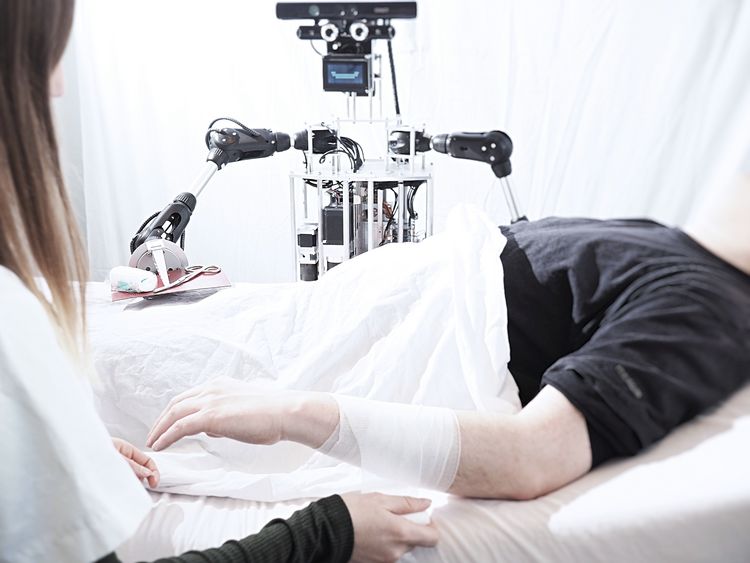
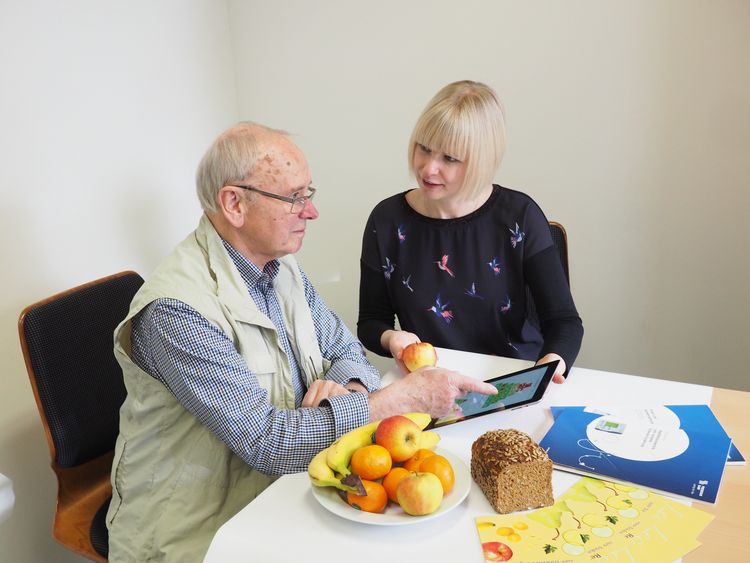
The Robotic Assistance Systems group develops intelligent, space-based solutions that, through the use of mechatronic systems, provide support for coping with everyday situations through close human-robot interaction. Firstly, the need for support and the situational context have to be identified. Based on this, the aim is to offer targeted, intuitively controllable and at the same time expectant support actions at the right time in the right place. The technical challenges lie in situational and environmental awareness, activity recognition and the derivation of cooperation strategies, as well as motion and trajectory planning. | Especially for elderly and very old people, the detection and assessment of nutritional status and physical function are important components in nutritional and physiotherapy. Age-related nutritional problems such as malnutrition or obesity, as well as changes in body composition, affect the diet physical performance. In this context, in a continuous process, the need for technology to assess nutritional status, body composition and physical function is identified, subsequently tested and evaluated and, where appropriate, used in the field of risk assessment as well as therapy. |
 | |
| Multimodal Brain-Body Systems | |
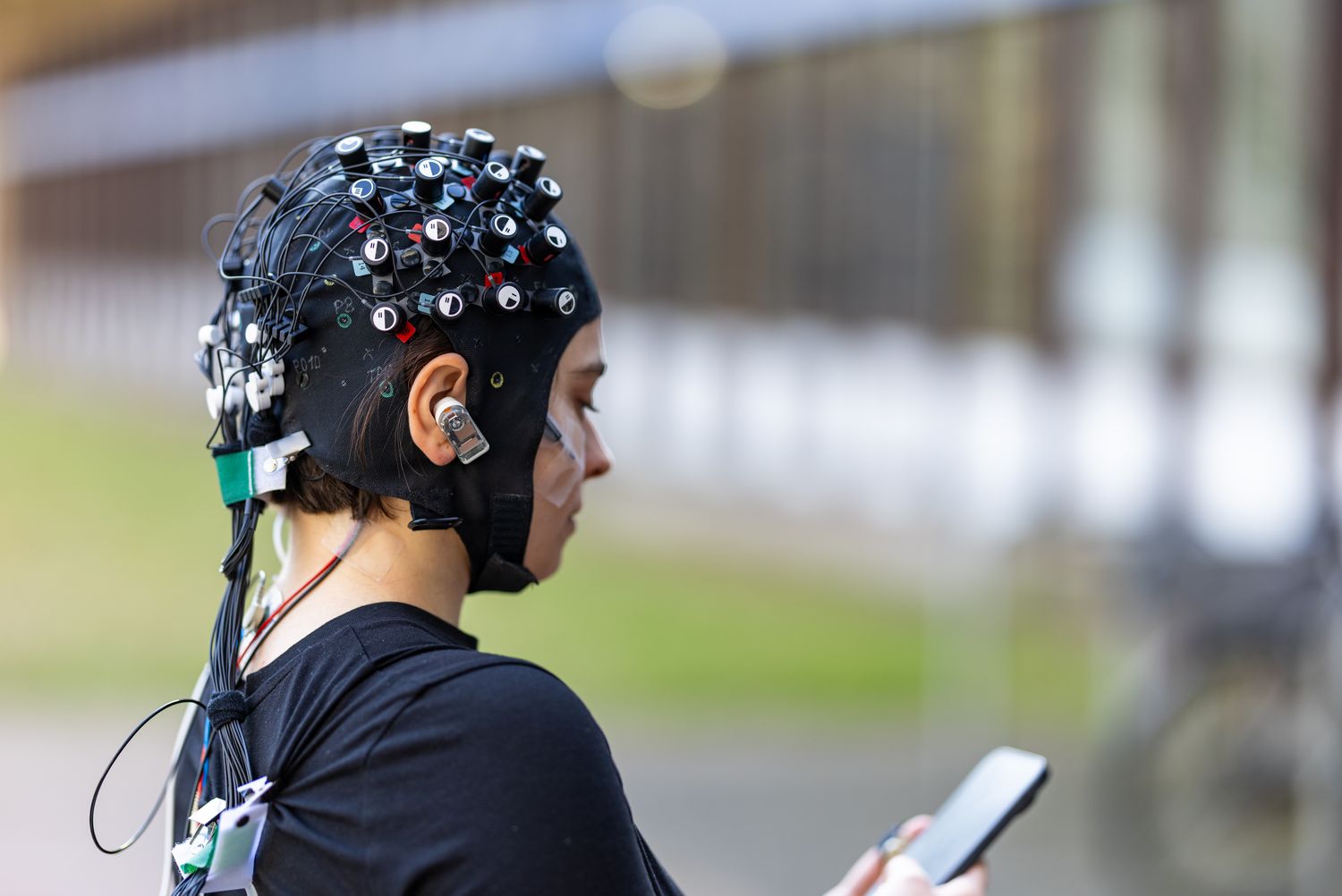
The Multimodal Brain-Body Systems group develops AI-based methods and technologies for the acquisition, processing and interpretation of neurophysiological, physiological and behavioural data. The aim is to map the interplay between the brain, body and behaviour and to reliably characterise relevant states and changes therein. To this end, artificial intelligence techniques are combined with digital signal processing methods, and various data sources – such as neurophysiological imaging, biosignals, movement and activity data, as well as data from wearables and apps – are integrated. The focus is on robust signal processing, multimodal data fusion and digital phenotyping. The approaches developed are used in particular for applications in mental health, neurology and rehabilitation. They range from monitoring and early detection to adaptive neurotechnological methods such as brain-computer interfaces and neurofeedback to support mental, cognitive and physical functions. |