


Paul Bekker war einer der einflussreichsten Musikkritiker des frühen 20. Jahrhunderts. Eine seiner Studien über Ludwig van Beethoven galt über 80 Jahre als verschollen – bis die Musikwissenschaftlerin Anna Langenbruch sie entdeckte.
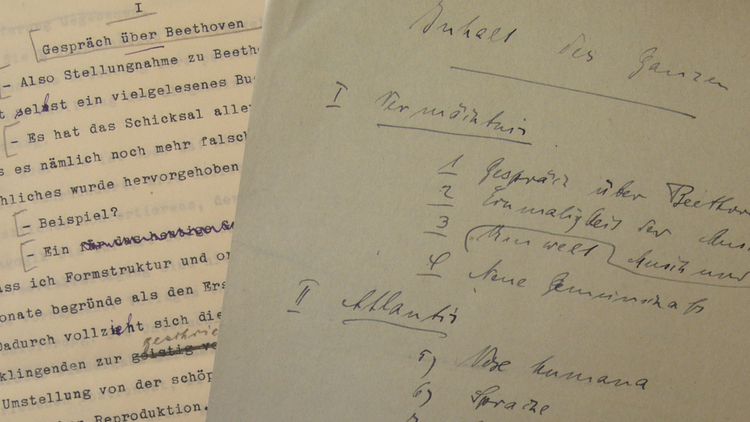
Dass sie etwas ganz Besonderes gefunden hatte, war Anna Langenbruch schnell klar: Ein 60 Seiten langes Typoskript über Beethoven, versteckt im Nachlass einer deutschen Exilzeitschrift in den Tiefen des Pariser Nationalarchivs. Lediglich der Name „Becker“ stand auf dem Blatt, in das die Seiten eingeschlagen waren.
Doch dieses eine Wort reichte aus, um bei der jungen Wissenschaftlerin, die 2007 für ihre Promotion auf der Suche nach Artikeln über Musik im Pariser Exil der 1930er-Jahre war, einen Gedankenanzuregen: Das Geschriebene könnte aus der Schreibmaschine des deutschen Musikpublizisten Paul Bekker stammen. Wenn auch der Namefalsch geschrieben war: Inhaltlich würde es passen.
Bekker war einer der bedeutendsten Musikkritiker und -schriftsteller der ersten Hälfte des 20. Jahrhunderts. Er publizierte zur Musiksoziologie und Musikgeschichte – darunter auch ein umfangreiches Beethoven-Buch – und prägte den Begriff der Neuen Musik. Zudem war er als Theaterintendant tätig. 1933 ging Bekker, der als kulturpolitische Schlüsselfigur der Weimarer Republik und wegen seiner jüdischen Herkunft in NS-Deutschland gefährdet war, über Italien, die Schweiz und Griechenland nach Paris ins Exil; im Jahr darauf emigrierte er in die USA, nach New York, wo er 1937 starb.
Rekonstruktion der Entstehungsgeschichte
Langenbruchs Recherchen bestätigten ihre Vermutung: Das Typoskript stammt von Bekker, entstanden ist es in den Jahren 1933/34. Und genau das macht den Fund zu einer kleinen Sensation: Es handelt sich um die bisher einzige nicht veröffentlichte Schrift aus Bekkers Exil-Zeit, die überdauert hat – alle anderen unveröffentlichten Materialien der Jahre nach 1934 hatte Bekkers Frau nach seinem Tod zerstört. Laut Langenbruch ging es Bekker in seiner Studie darum, ausgehend von der Gestalt Beethoven etwas über den zeitgenössischen Umgang mit Musik auszusagen. Und was sich ändern müsste, damit die Musik sich weiterentwickeln kann.
Aufschluss über die Herkunft des Typoskripts gab vor allem ein Buch über Bekker, das der Kölner Musikwissenschaftler Andreas Eichhorn geschrieben hat. Eichhorn rekonstruierte aus einem Briefwechsel die Entstehungsgeschichte eines – wie er glaubte, verschollenen – Buches über Beethoven. „Ein Teil davon sollte 1935 unter dem Titel ‚Beethovens Vermächtnis‘ in einem Pariser Exilverlag publiziert werden. Das ist jedoch nie passiert, weil Bekker den Text letztendlich wieder zurückgezogen hat“, erzählt Langenbruch. Anscheinend kamen dem Autor Bedenken, dass sein kulturpolitischer Essay doch nicht in die Ausrichtung der Reihe passen könnte. Aus verschiedenen Briefen konnte die Wissenschaftlerin schließlich rekonstruieren, dass es sich bei dem von ihr gefundenen Typoskript tatsächlich um die verschollene Studie handelt.
Komplizierter Überlieferungskontext
Neben dem Zufall war es auch dem speziellen Forschungsinteresse Langenbruchs geschuldet, dass ausgerechnet sie den Text fand: „Ich habe mir Archive angeschaut, die für eine Musikwissenschaftlerin vielleicht nicht unbedingt typisch sind: zum Beispiel Polizeiakten.“ Da deutsche Exilanten in Frankreich ab 1933 systematisch überwacht wurden, könne man aus diesen Dokumenten viel über die Personen und ihr musikalisches Wirken rekonstruieren. „Es ist schizophren, dass man als Historikerin im Nachhinein von staatlicher Überwachung profitiert“, konstatiert Langenbruch.
Teil der Akten sind auch die Bestände deutscher Exil-Zeitschriften, die 1940 verboten wurden. Die Bekker-Studie fand Langenbruch im Nachlass der antifaschistischen Publikation „Die Zukunft“. Wie sie dort landete, ist unklar: „ ‚Die Zukunft‘ wurde erst 1938 gegründet – also nach Bekkers Tod“, erzählt die Wissenschaftlerin. Möglicherweise habe er das Typoskript einfach nie von seinem Pariser Verleger zurückbekommen, sodass es über einen Mitarbeiter letztlich im Bestand der Zeitschrift gelandet ist.
Gut zehn Jahre ist dieser Fund nun her. Längst hat Langenbruch promoviert und forscht an der Universität Oldenburg seit 2016 mit einer eigenen Emmy Noether Nachwuchsforschungsgruppe zur „Musikgeschichte auf der Bühne“.
Fund als Anlass für Beethoven-Tagung
Was stellt man mit einem solchen Fund an? „Zuerst habe ich überlegt, ihn in die Dissertation einzubinden. Das passte aber nicht wirklich zum Konzept. Und wäre der Schrift vielleicht auch nicht gerecht geworden“, erzählt Langenbruch. Die Idee, ein größeres Forschungsprojekt daraus zu entwickeln, vertagte sie immer wieder – auch, weil sie sich für die Habilitation neue Forschungsthemen erschloss und nicht mehr nur die Exilforschung im Fokus ihrer Arbeit stand. Gemeinsam mit dem Beethoven-Haus in Bonn, der zentralen Forschungs- und Dokumentationsstelle zu Beethovens Biografie und Werk, entstand vor anderthalb Jahren schließlich die Idee, den Bekker-Text zum Anlass für eine Tagung zur Beethoven-Rezeption im Exil zu nehmen.
Anfang März findet die Tagung mit internationalem Programm in Bonn nun statt. Anschließend soll die Bekker-Studie in einem Tagungsband in der Schriftenreihe des Beethoven-Hauses veröffentlicht werden.