

Am 26. Februar jährt sich der Todestag des Philosophen Karl Jaspers zum 50. Mal. Im Interview spricht der Oldenburger Philosoph Matthias Bormuth über Jaspers‘ Vorstellungen von der Mündigkeit des einzelnen Bürgers, die Aktualität seiner Ideen und die beste Lektüre zum Einstieg.
„Prominenter als Precht und Sloterdijk: Der fast vergessene Karl Jaspers war einmal der deutsche Star-Intellektuelle.“ – So beschrieb die Wochenzeitung DIE ZEIT vor zwei Jahren Karl Jaspers. Anlass war die Veröffentlichung der Korrespondenzen des Philosophen und Mediziners, die Sie, Herr Bormuth, mitherausgegeben haben. Was machte Jaspers in den 1960er Jahren zum „Star-Intellektuellen“ seiner Zeit?
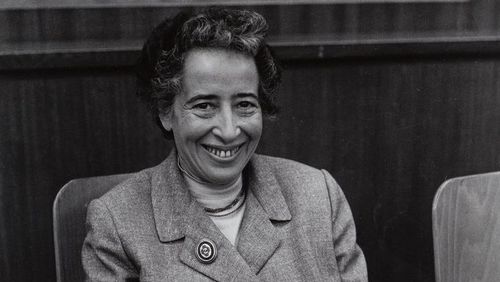
Der späte Jaspers betonte das „Wagnis der Öffentlichkeit“ und sprach im Blick auf Hannah Ahrendt, seiner eng vertrauten Schülerin, von der „Unabhängigkeit des Denkens – unabhängig gerade von den Meinungen der großen Parteien, der Gesellschaft. So wurde er als Nicht-Parteigänger zu einem engagierten Philosophen, der Nachdenklichkeit stiften wollte.
Jaspers war ja zunächst eher konservativ, hat sich dann aber gewandelt…
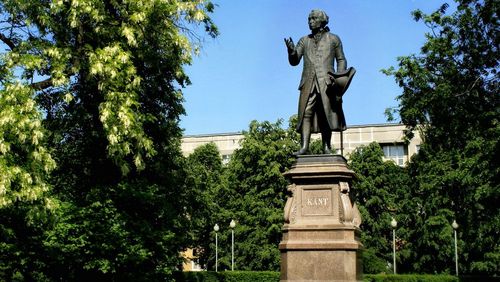
Diese Wandlung setzte nach den Erfahrungen im Nationalsozialismus ein. Er war 1937 zwangspensioniert worden, da seine Frau Gertrud jüdischer Herkunft war, und hatte sieben Jahre in der inneren Emigration gelebt. Nach dem Ende des Zweiten Weltkriegs setzte er sich sehr für die deutsche Selbstbesinnung ein, war wieder hochwillkommen als „Unbelasteter“. 1948 folgte Jaspers einem Ruf nach Basel in dem Wissen, dass die Selbstbesinnung ausgeblieben war, das restaurative Klima sich in Deutschland durchgesetzt hatte. Das war für ihn die Wende. Seitdem kam Hannah Arendt jährlich zu Gesprächen zu ihm, um zu philosophieren und über die politischen Dimensionen Deutschlands, Amerikas, der Welt zu sprechen. Jaspers entwickelte eine spezifische Philosophie der Freiheit, die auf den Ideen Kants gründete. Hannah Arendt bezog sich später vor allem auf die amerikanischen Gründerväter, auf deren Ideen einer Demokratie, in der einzelne Gruppen, auch lokal, Einfluss haben und die nicht zentralistisch agiert, wie es in Deutschland in den 1960er Jahren nach Jaspers‘ Meinung der Fall war.
Wie aktuell sind Jaspers‘ Vorstellungen für uns heute?
Jaspers ist ein großer Erneuerer der kantischen Philosophie der politisch relevanten Vernunft. Deren zentrales Element ist die Mündigkeit des einzelnen Bürgers, der im öffentlichen Raum seinem Gewissen folgen und seine Meinung sagen soll. So können vernünftige Menschen, die miteinander sprechen, dazu beitragen, dass in einer Demokratie nicht von oben herab bestimmt wird, sondern auch einzelne Gruppen und Interessenlagen zu Wort kommen, Protest anmelden oder Alternativen ausdrücken können. Zu dieser Mündigkeit gehört auch, selbst nachzudenken. Freiheit ist anspruchsvoll und versteht sich nicht von selbst. Freiheit heißt, die eigene Urteilskraft zu entwickeln, über das Weltgeschehen, seine wissenschaftlichen Bedingungen nachzudenken, zu fragen, welche Ideen philosophisch hilfreich sein könnten, sich selbst Gedanken zu machen. Ein solch mündiger Bürger – ich spreche hier für beide Geschlechter – kommt im Gespräch mit anderen zu Meinungen, die im politischen Geschehen eine Rolle spielen können.
Jaspers wollte also die Menschen zum Nachdenken anhalten, sie erreichen…
Jaspers kam ursprünglich aus der Medizin und wanderte in die Philosophie als Psychologe ein. Max Weber hatte ihn in Heidelberg gefördert. Jaspers kannte deshalb natur- wie geisteswissenschaftliche Fachdiskurse und bemühte sich zunehmend, eine verständliche und klare Sprache zu schreiben. Seine „Psychologie der Weltanschauungen“ war 1919 ein erster Erfolg. Er wollte als Philosoph nicht nur die Eliten, sondern ein breiteres, gebildetes Publikum erreichen, dem die eigene Existenz als eine im besten Sinne fragwürdige „Grenzsituation“ erschien. Seine Essays, die er auch als Vorschläge verstand, die Zeit zu verstehen, wurden nach 1945 immer politischer. Sie erschienen in großen Zeitschriften und Zeitungen, als große Sachbücher, die zuletzt auch Bestseller waren. Er warnte aber auch davor, es sich gedanklich zu einfach machen zu wollen
1960 hatte Karl Jaspers geschrieben: „...der Nationalstaatsgedanke heute [ist] das Unheil Europas und nun auch aller Kontinente.“ Was wäre Jaspers‘ Haltung zu aktuellen politischen Debatten, in denen nationalstaatliche Vorstellungen wieder eine größere Rolle spielen?
Jaspers hatte von Kant die Idee des „Weltbürgertums“ übernommen. Also die Idee der Freiheit, die der Einzelne anstrebt und die eine Nation, die alle Nationen besitzen sollen. Seine Vorstellung war, dass gerade die europäisch-abendländischen Nationen wechselseitig voneinander abhängen und es daher notwendig ist, gemeinsam zu handeln. Zugleich öffnete er sich seit den Arbeiten zur östlichen Philosophie den globalen Zusammenhängen. Das kulturelle Leben war die Grundlage für das ökonomische, es sollte zuerst alle Menschen als Freie verbinden. Auf dieser Grundlage, so Jaspers, sollten sich die Nationalstaaten zusammenfinden, zusammen handeln, Verträge schließen. Seine Idee war, dass Gesellschaften weltweit zusammengehören. Und in diesen Gesellschaften sind Einzelne nötig, die moralisch-philosophische Notwendigkeiten betonen – auch gegen die Interessen anderer. Deshalb auch die Idee des achsenzeitlichen Denkens, auf das zuletzt Jan und Aleida Assmann in ihrer Frankfurter Friedenspreisrede abhoben. Wie kann eine solche Kommunikation gewissenhafter Einzelner gelingen? Das war seine Vision der „philosophischen Köpfe“ – angefangen bei den israelischen Propheten und anderen Religionsstiftern aber auch unabhängigen Intellektuellen der früheren Zeit: Wie können geistig-moralische Zielsetzungen in der Gesellschaft vertreten werden – vor allem angesichts der Tendenz, freiheitsraubende Interessen erstarken zu lassen.
Seit dem Jaspers-Jahr ist im Hörsaalzentrum der Universität zu lesen: „Wahrheit ist, was uns verbindet“. Was verbinden Sie mit diesem Jaspers-Zitat?
Historisch ist es ein Zitat, das auf Nietzsche zurückgeht und das Jaspers in einem Briefwechsel mit Hannah Arendt benutzt hat. Es zielt auf einen Kerngedanken seiner Philosophie ab, nämlich dass Kommunikation zwischen Menschen entscheidend ist. Und dass die intime, vertraute Kommunikation zweier, dreier vertrauter Menschen wichtig ist, um ihre eigentlichen Gedanken und philosophischen Zielsetzungen zu klären. Für Jaspers wie Arendt war entscheidend: Die Werte, Normen oder Wahrheiten, die Menschen finden, entstehen im Gespräch zwischen Einzelnen – aber auch in dem Gespräch, dass ich mit mir selbst führe, und in der Möglichkeit, mit Menschen, die schon lange verstorben sind, über ihre Bücher „ins Gespräch zu kommen“. Das heißt: Bei der Kommunikation mit einem Buch geht es nicht nur um Wissen, das ich mir aneigne, sondern auch um die Möglichkeit, mit einer geistigen Position, mit Werten und Wahrheiten, die schon lange zurückliegen, und von einem Menschen bedacht wurden, ins Gespräch zu kommen. Es geht darum, diese nicht einfach zu übernehmen, sondern zu sagen: Was sagt mir das, und wie verändert der Blick des Anderen meinen Blick im persönlichen und öffentlichen Leben?
Welche Texte empfehlen Sie denjenigen, die sich erstmals mit Jaspers und seinen Ideen beschäftigen möchten?
Es gibt einen hervorragenden Text, „Die geistige Situation der Zeit“ von 1931, der für ein größeres, bürgerliches Publikum bestimmt war und hohe Resonanz hatte. Dieser legt Jaspers Philosophie der Existenz in ihrer gesellschaftlichen Bedeutung aus – in essayistischer Form auf 150 Seiten. Da bekommt man mit: Wie hat Jaspers vor 1945 gedacht? Für die Zeit danach ist seine kleine Schrift „Die Schuldfrage“ wichtig – sie hilft, den Nachkriegs-Jaspers zu verstehen in seinem Appell zur deutschen Selbstbesinnung. Darin geht es ihm darum, eigene Schuld in den Kategorien von moralischer, juristischer, metaphysischer und krimineller Schuld zu verstehen. Später sind vor allem die politischen Schriften wie „Wohin treibt die Bundesrepublik?“ interessant, aber auch Einführungen wie „Kleine Schule des philosophischen Denkens“, die Jaspers bewusst als Radio- und Fernsehsendungen im Sinne von Vorlesungen geplant hat. Eine „Biografie in Briefen“ wird bald unter dem Titel „Leben als Grenzsituation“ erscheinen. In den Schreiben an Hannah Arendt, Martin Heidegger, Ernst Bloch, Golo Mann und Rudolf Augstein, aber auch in frühen Briefen an die Familie erkennt man einzelne Stücke des ganzen Jaspers.
Interview: Constanze Böttcher