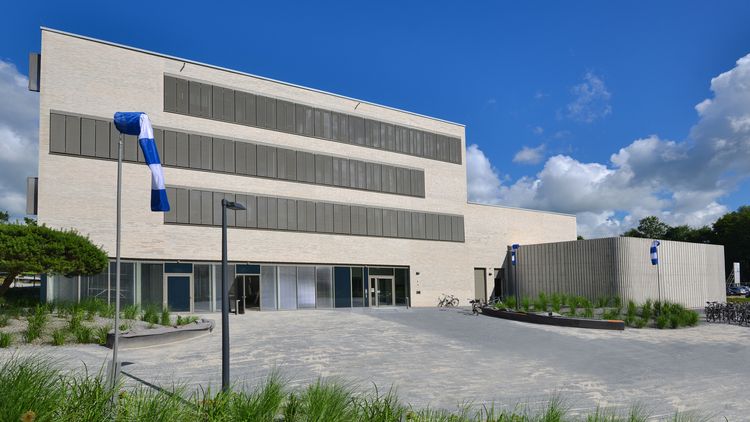
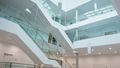
Das Forschungslabor WindLab am Küpkersweg ist unter den diesjährigen Gewinnern des renommierten „German Design Award“. „Ein zeitlos-moderner Entwurf, der dem Anspruch einer dicht vernetzten wissenschaftlichen Arbeitsweise gerecht wird“, lautet die Begründung der Jury.
Bei der Preisverleihung am vergangenen Freitag in Frankfurt zeichnete der Rat für Formgebung das Architektenbüro hammeskrause architeken in Stuttgart aus. Für das Design des Forschungslabors für Turbulenz und Windenergiesysteme (kurz WindLab) erhielt das Büro die Auszeichnung „Special Mention“ in der Kategorie Architektur. Der Entwurf spiegele mit markant gestalteten Details subtil das Forschungsgebiet wider, betonten die Juroren.
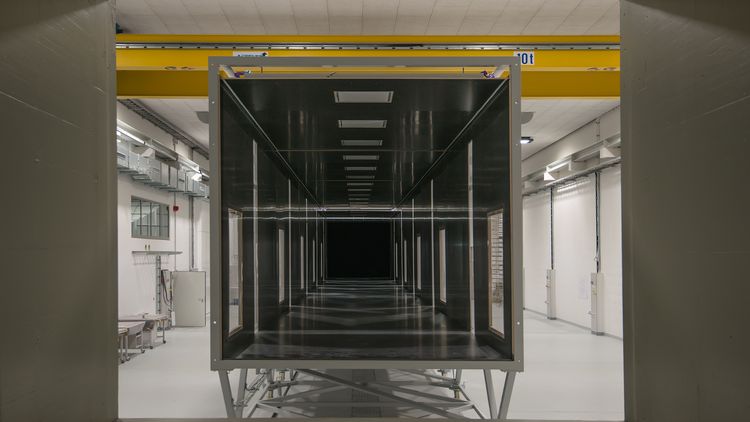
Das vierstöckige WindLab bietet Platz für 130 Wissenschaftler des Zentrums für Windenergieforschung (ForWind) und des Fraunhofer-Instituts für Windenergiesysteme IWES. Herzstück des Forschungsbaus mit 2.300 Quadratmetern Nutzfläche ist der 30 Meter lange Windkanal, in dem Windgeschwindigkeiten von bis zu 150 Kilometern pro Stunde erreicht werden. Mit Hilfe des Windkanals kann das Zusammenspiel von atmosphärischen Strömungen und Windenergieanlagen oder ihren Komponenten experimentell erforscht werden. Mit einem speziellen Gitter können zudem turbulente Windfelder erzeugt werden. Das Architektenteam nahm die Idee des Gitters aus dem Innern des Windkanals auf und ließ sie in die Gestaltung der Fensterläden aus Streckmetall einfließen. Die Kombination des turbulenzerzeugenden Gitters und einem Windkanal dieser Größe macht den ForWind-Kanal einzigartig.
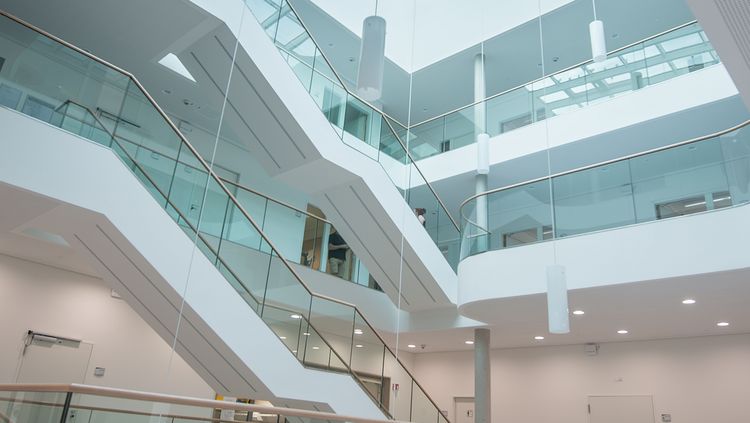
„Bereits zweieinhalb Jahre nach dem Einzug sieht man die große Bedeutung des WindLab für die Umsetzung der dahinterliegenden Forschungsprogrammatik. Das Zusammenspiel der Wissenschaftlerinnen und Wissenschaftler aus den Gebieten der Simulation, des Experiments und der Freifeldmessung geschieht hier auf so kompakte und effiziente Art und Weise, wie es vorher nicht möglich war. Dass wir nur wenige Meter neben diesen Aktivitäten innerhalb des WindLab auch noch eigene internationale Konferenzen durchführen können, beschleunigt den Wissenstransfer zusätzlich“, sagt ForWind-Geschäftsführer Dr. Stephan Barth. Auch das Design-Konzept für besondere Kommunikationsorte, die den Wissenschaftlern neben Büro- und Laborflächen zur Verfügung stehen, ist aufgegangen: Sie fördern den schnellen und unkomplizierten Austausch zwischen den Arbeitsgruppen und Disziplinen und schaffen eine offene Atmosphäre, die auch von Besuchern des WindLab positiv wahrgenommen wird.