Kann die Corona-Krise dazu beitragen, die Wirtschaft klimafreundlicher und nachhaltiger zu gestalten? Warum es dafür Regulierung braucht und wie globale Lieferketten in Zukunft aussehen könnten, erläutert der Ökonom Christian Busse.
In der Corona-Krise ist unser Lebensstil zwangsläufig nachhaltiger geworden: Wir reisen weniger, konsumieren weniger, sind weniger unterwegs. Glauben Sie, dass einiges davon auch nach der Krise beibehalten wird?
Da bin ich ganz optimistisch. Wir sehen zum Beispiel, dass viele Menschen von einem Tag auf den anderen ins Home-Office wechseln konnten. Es erscheint möglich, dass weite Pendelstrecken zur Arbeit zukünftig seltener gefahren werden, dass Meetings häufiger als Videokonferenz stattfinden. Viele Menschen hinterfragen derzeit kritisch, wieviel sie eigentlich konsumieren. Sicher werden viele nach der Krise einiges nachholen wollen, aber die Erfahrung wird bleiben.
Hat die derzeitige Krise Schwachpunkte der deutschen Wirtschaft offengelegt?
Das hat sie bestimmt. Die deutsche Wirtschaft ist in besonderem Maße in globalen Lieferketten vernetzt. Wir sind sehr von Einzellieferanten und auch von ganzen Ländern abhängig. Eine eigene Produktion von Atemschutzmasken oder Komponenten für Beatmungsgeräte können wir beispielsweise nicht kurzfristig hochfahren. Medikamente, die früher in Deutschland produziert wurden, kommen heute vor allem aus Asien. Und natürlich ist die deutsche Wirtschaft sehr exportabhängig, sie beruht vor allem auf Investitionsgütern, also langlebigen Produkten wie Produktionsmaschinen und Anlagen. Wenn die Krise so richtig durchschlägt und viele Insolvenzen zu beobachten sein werden, dann wird das für Deutschland besonders schwer.
Haben Sie Hoffnung, dass sich auch Chancen ergeben?
Aus meiner Perspektive als Nachhaltigkeitsforscher sehe ich durchaus Chancen. Es ist sehr beeindruckend, wie schnell sich Prozesse wandeln können, wenn alle spüren, dass sie es müssen, nicht nur in der Wirtschaft. Ich hoffe natürlich, dass das für das Thema Nachhaltigkeit später auch gilt.
Viele Experten fordern, dass Staatshilfen an Nachhaltigkeitsziele geknüpft werden, andere bringen wieder eine Abwrackprämie ins Spiel. Was ist aus Ihrer Sicht der bessere Weg?
Die Abwrackprämie fand ich schon seinerzeit, 2009 nach der Finanzkrise, ausgesprochen skurril. Ich nutze sie in meinen Vorlesungen als Beispiel für Framing, also dafür, wie man einem Sachverhalt eine neue Deutung geben kann. Damals wurde argumentiert: Wir ersetzen ineffiziente Fahrzeuge durch solche, die weniger CO2 emittieren, deswegen ist das Ganze gut für die Umwelt. Man kommt aber nicht umhin zu sehen, dass Millionen Fahrzeuge vor ihrer Zeit aus dem Verkehr gezogen wurden. Die Kaufanreize als „Umweltprämie“ zu bezeichnen, war reines Marketing für eine wirtschaftlich motivierte Maßnahme. Das sollte sich nicht wiederholen.
Welche Maßnahmen sind denn im Augenblick nötig?
Wir haben derzeit eine Notsituation. Die Staaten müssen kurzfristig den Unternehmen dabei helfen, einen Mangel an Liquidität und Insolvenzen zu vermeiden. Und dies, ohne zu differenzieren, ob ein Unternehmen ein nachhaltiges Geschäftsmodell hat. Zuschüsse für Studierende, für Geringverdiener und für kleine und mittlere Unternehmen sind richtig. Bei Großunternehmen müssen vermutlich auch Eigenkapitalbeteiligungen eingegangen werden. Das heißt, der Staat wird durch seine Investitionen Gesellschafter des Unternehmens. Während wir hier sprechen, laufen die Verhandlungen mit der Lufthansa als erstem betroffenen Unternehmen. Ich bin erleichtert, dass unsere Politiker viel Wert darauf zu legen scheinen, dass Eigenkapital haftet – dass also das Vermögen eines Unternehmens dazu dient, Verluste auszugleichen. Es wird in dem Moment belohnt, in dem es Gewinne gibt. Im Nachgang der Finanzkrise war es anders: Die Banken hatten viele Jahrzehnte lang hohe Gewinne erwirtschaftet und diese an Mitarbeiter und Aktionäre ausgeschüttet. Als dann die Verluste kamen, war niemand mehr haftbar zu machen. Die Gewinne wurden privatisiert, die Verluste sozialisiert.
Welchen Vorteil bringt es, wenn der Staat sich an Unternehmen beteiligt?
Irgendwann müssen wir darüber sprechen, wie die Rettungsmaßnahmen finanziert werden. Und dann ist es erforderlich, dass der Staat die ausgezahlten Milliarden nicht komplett als Verlust abschreiben muss. Es ist nicht die Rolle des Staates, unternehmerische Entscheidungen zu treffen, er muss in absehbarer Zeit auch wieder aus den Unternehmen aussteigen – und zwar dann, wenn der Kurs möglichst hoch ist. Dadurch erhält er sein Kapital zurück. Wenn ein Unternehmen dann immer noch Milliarden Wert ist an der Börse, bin ich als Steuerzahler natürlich froh.
Welche Maßnahmen sind auf längere Sicht nötig, um die Krise zu bewältigen?
Mittelfristig werden wir Konjunkturprogramme in Form von Staatsausgaben brauchen, darüber wird ja jetzt schon diskutiert. Ich hoffe, dass der Staat dann versucht, notwendige Strukturveränderungen proaktiv zu begleiten. Ich habe das Gefühl, dass wir in Deutschland häufig nur an winzigen Stellschrauben drehen und dass zahlreiche politische Akteure nicht den Mut für deutlichere Veränderungen haben. Wir neigen dazu, Strukturen zu konservieren. Doch die kommenden Konjunkturprogramme sollten zukunftsorientiert auf Aspekte wie Nachhaltigkeit, Digitalisierung, Medizin und Infrastruktur ausgerichtet sein. Und die Maßnahmen sollten ökologisch sinnvoll sein, also einen hohen ökologischen Effekt für das investierte Geld erzielen.
Wie lässt sich Nachhaltigkeit sicherstellen?
Meiner Meinung nach nur durch Regulierungen. Es hat sich in der Vergangenheit immer wieder gezeigt, dass freiwillige Maßnahmen nicht funktionieren. Das liegt unter anderem daran, dass die Konsumenten nicht nachvollziehen können, wie nachhaltig ein Produkt in der globalen Wertschöpfungskette hergestellt wurde. Und wenn sie es wüssten, dann würden die meisten sich trotzdem keine freiwilligen Zusatzkosten aufbürden. Ich glaube daher, dass Nachhaltigkeit nicht durch Angebot und Nachfrage am Markt entstehen kann, weil der Markt auf wirtschaftliche Dimensionen hin ausgerichtet ist. Andererseits ist Nachhaltigkeitsregulierung schwierig – insbesondere in der sozialen Dimension. Hier besteht ein echtes Dilemma. Jetzt ist in jedem Fall ein schlechter Zeitpunkt für Regulierungen, weil viele Unternehmen genug damit zu tun haben, überhaupt zu überleben.
Wäre es ein Beitrag zur Nachhaltigkeit, wenn Unternehmen wieder stärker zur lokalen Produktion zurückkehren?
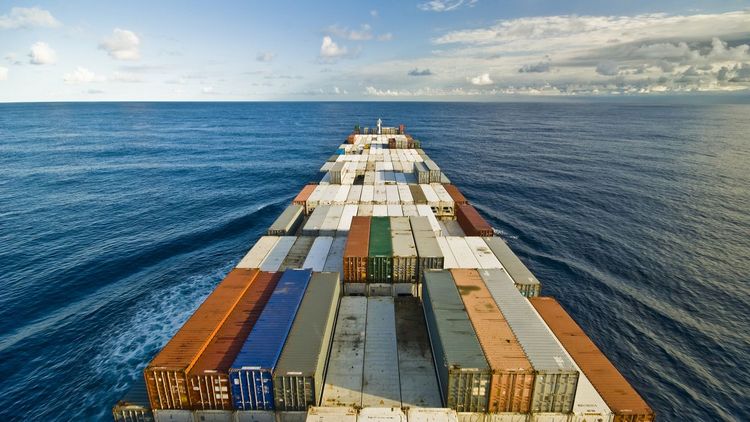
Das ist nicht so einfach. Die Ausgangssituation vor der Krise war eine arbeitsteilige Weltwirtschaft mit globalen Lieferketten, in der Unternehmen sich auf ihre Kernkompetenzen spezialisiert haben. Wenn von einem beliebigen Gut große Mengen produziert werden, dann sind die Stückkosten sehr viel geringer, auch durch Lerneffekte. Wenn die gleiche Produktionsmenge rund um den Globus verteilt wird, dann haben die einzelnen Unternehmen nicht mehr die effizientesten Maschinen, sondern stellen ein Produkt mit kleineren, weniger effizienten Anlagen oder vielleicht sogar von Hand her. Eine De-Globalisierung würde also auch Wohlstandsverluste bedeuten.
Das heißt, es bleibt alles beim Alten?
Das nicht. Das so genannte Risikomanagement in Wertschöpfungsketten, auf Englisch „supply chain risk management“, wird auf der betriebswirtschaftlichen Ebene sehr viel wichtiger werden. Unternehmen werden Pläne entwickeln, um bei unvorhergesehenen Ereignissen schnell reagieren zu können. Sie werden Möglichkeiten bereithalten, um im Notfall eigene Produktionskapazitäten hochzufahren oder Pufferkapazitäten in ihre Lieferketten einbauen. Es ist plausibel anzunehmen, dass die Beschaffung diversifizierter wird, dass Unternehmen nicht mehr nur bei einem einzigen Lieferanten einkaufen. Es kann auch sein, dass europäische Unternehmen weniger in Asien einkaufen, sondern mehr vor Ort. Wir werden also sicherlich eine größere Flexibilität und Anpassungsfähigkeit in Wertschöpfungsketten sehen.
Die Globalisierung bleibt uns also erhalten?
Ich denke schon. Aber eine politische Einhegung der wirtschaftlichen Globalisierung wäre nötig, man müsste die Weltwirtschaft intelligenter regulieren. Ich bezweifle allerdings, dass die Corona-Krise der Trigger dafür sein kann, dass daraus eine ganz neue, nachhaltige Wirtschaftsweise erwächst. Aber ich persönlich würde es mir wünschen.
Interview: Ute Kehse (geführt am 4. Mai 2020)