Das Musiktheater „Heimat im Koffer“ erzählt die Geschichten von Künstlern, die vor dem Nationalsozialismus ins Ausland flohen. Studierende der Universität haben das Stück über Monate hinweg selbst entwickelt. Ein Blick hinter die Kulissen.
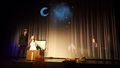
Samstag, 29. Juni: Es ist Premierennacht. Über Monate haben die Studierenden auf diesen Abend hingearbeitet. Das Tuscheln des Publikums treibt durch die Aula. Dann steigt Nebel von der Bühne auf und kriecht durch die Stuhlreihen. Das Licht geht aus. Und vom Eingang der Aula hallt eine Stimme durch den Raum. Showtime.
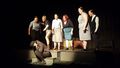
Rückblick: Probenwochenende, 14 Tage vor der Premiere. Volker Schindel hat seine Schuhe ausgezogen. Nur auf braunen Socken rutscht er über den Holzboden der Aula hin zum Bühnenrand. Drei Tage lang proben alle Darsteller und Musiker, am Ende steht die erste komplette Durchlaufprobe an. Für diese Zeit ist die Aula Schindels Wohnzimmer. Noch sitzen keine Zuschauer auf den Stühlen, nur die Taschen der Darsteller liegen dort. Schindel, Künstlerischer Mitarbeiter für „Musik, Szene, Theater“, springt immer wieder von seinem Platz in der ersten Reihe auf und gibt den Studierenden auf der Bühne Verbesserungsvorschläge.
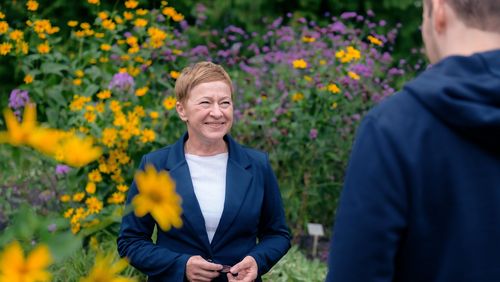
„Heimat im Koffer“ ist ein Kooperationsprojekt von Schindel, der Musikwissenschaftlerin Dr. Anna Langenbruch und Arne Wachtmann, Wissenschaftlicher Mitarbeiter im Masterstudiengang „Integrated Media“. Das Musiktheaterstück ist Teil des Masterstudiums im Fach Musik. Langenbruch, die den wissenschaftlichen Teil des Projektes leitete, recherchierte zur Vorbereitung des Stücks mit Studierenden drei Tage lang im Deutschen Exilarchiv in Frankfurt am Main. Ihre Mitarbeiterin Myrin Sumner, die selbst an dem Stück mitwirkt, wertete des Material später aus. Ungefähr 300 Dokumente und Briefe hat sie durchgearbeitet. „Wir haben uns die Nachlässe ausgewählter Künstler angesehen und überlegt, was wohl geeignet wäre, um ein Theaterstück zu inszenieren“, erklärt sie.
Brennende Bücher auf der Orgel
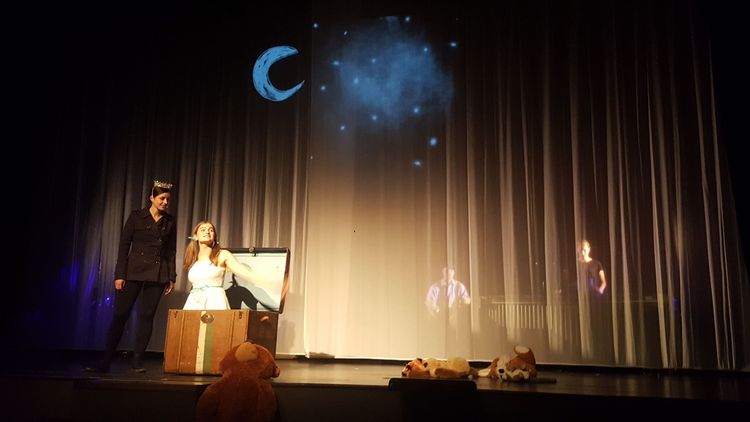
Die Musikstudierenden haben daraufhin selbst Gedichte vertont, Stücke komponiert und den Großteil der verwendeten Werke neu arrangiert. Um den Ton und die Projektionen kümmern sich die Studierenden des Masterstudiengangs „Integrated Media“. Für die Proben sind sie in Kleingruppen einzelnen Szenen zugeteilt, an dem Probenwochenende treffen auch für sie zum ersten Mal Projektion, Darsteller und Bühne aufeinander. Die Stimmung in der Aula ist entspannt, aber konzentriert. Am Eingang arbeiten Studierende an den Kostümen, auf der Bühne proben bereits die Darsteller.
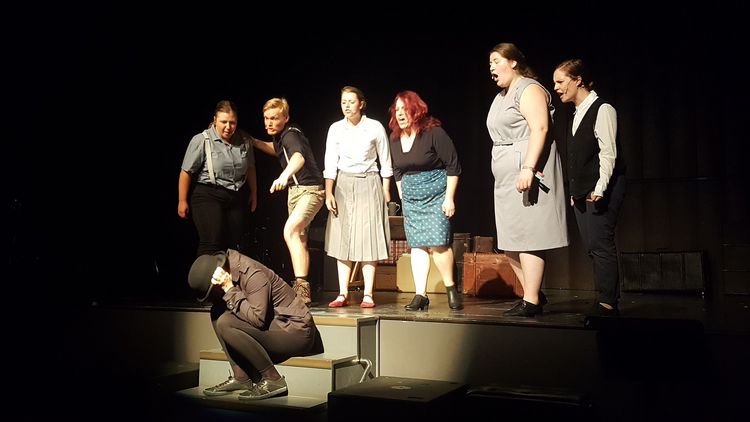
Unter ihnen ist auch Dani Hacke. Sie spielt den Journalisten Robert Breuer und probt eine Szene zur Bücherverbrennung. Die Charaktere schlafen in einem Hostel, im Hintergrund werden brennende Bücher auf die Orgel projiziert. Dani zuckt im Schlaf, schreckt hoch und greift nach ihrem Tagebuch. Schindel unterbricht kurz, die beiden sprechen leise miteinander. Nochmal von vorne. Danis Schlaf wird diesmal unruhiger und ihre Schreie hallen laut in der leeren Aula wieder. Schindel nickt zufrieden. Weiter im Probenverzeichnis.
Anspruchsvolle Bühnenarbeit
„Ich bin hauptsächlich nervös wegen der letzten Szene, denn das ist das längste Gedicht von Breuer“, verrät Dani später. Wenn sie es zu Hause aufsage, sei es ganz anders als vor Publikum. „Zum Glück ist Volker da, der viel beim Ausdruck machen kann.“
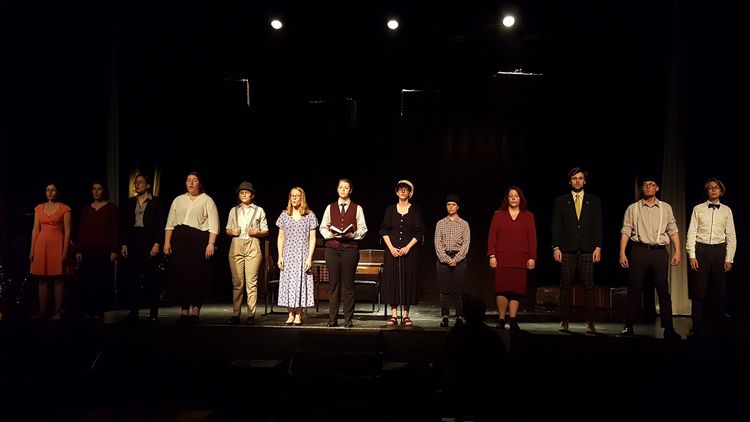
Jeder der Teilnehmer übernimmt gleich mehrere Rollen. Dani spielt zusätzlich Gitarre, Marimba und Schlagwerk, Myrin schauspielert. Auch Rosa Dunkelgut wirkt mit – sie steht nicht nur auf der Bühne, sondern kümmert sich gemeinsam mit anderen Studierenden um die Ausstattung des Musiktheaterstücks. Allein für die Kostüme hätten sie bisher gut 15 Stunden Zeitaufwand investiert. „Wir brauchten eine gewissen Historizität“, erklärt Rosa. „Manchmal passte zum Beispiel ein gewisser Farbton nicht, weshalb wir eine Menge aussortieren mussten.“ Viele der Stücke stammen aus Secondhandläden oder dem Kleiderschrank der Großeltern. Bis zur Premiere liegen noch einige Änderungsarbeiten an. „Sicherheitsnadeln braucht man hier immer“, schmunzelt Rosa.
„Wir proben, wo es geht.“
Die Gruppe von Langenbruch startete bereits im vergangenen Oktober mit der Recherche, die ersten Proben begannen im Februar. Trotzdem hat nicht nur Rosa noch viel Arbeit vor sich. Allein die Durchlaufprobe dauert letztendlich fünf Stunden. „Wir wussten noch nicht, wer was abbaut und was aufgebaut werden muss. Auch die Übergänge zwischen den Szenen waren noch richtig schwierig“, sagt Myrin und lacht zaghaft. „In den nächsten zwei Wochen müssen wir alles noch kompakter hinkriegen. Wir proben jetzt, wo es geht.“
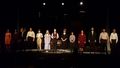
Zurück am Premierenabend. Eine Darstellerin geht durch den Mittelgang. Kaum betritt sie die Bühne, beginnt der Krieg. Sirenen vermischen sich mit Schlagzeugen und Trommeln, Menschen rennen mit ihren Koffern über die Bühne und suchen verzweifelt Schutz. Die Koffer ziehen sich als Requisite durch das gesamte Stück: Sie dienen als Stühle und Tische und Metaphern für die wenigen Habseligkeiten, die die Künstler mit ins Exil nahmen. Als Überraschungsgast tritt in einer Konzertszene der Pianist Jascha Nemtsov auf, sonst Professor für Geschichte der Jüdischen Musik an der Musikhochschule Weimar. Er interpretiert Werke jüdischer Komponisten – eine Inszenierung in einer Inszenierung. Zum Schluss tritt Dani zur letzten Szene auf die Bühne. Hinter ihr steigen die Koffer wie von Geisterhand in die Luft, alle Darsteller singen leise im Chor. Sie holt einmal tief Luft und legt los. Ihr Monolog sitzt. Auch Rosas Kostüme haben gehalten. Als sie sich schließlich alle ein letztes Mal unter tosendem Applaus auf der Bühne verbeugen, stehen ihnen Stolz und Erleichterung ins Gesicht geschrieben.