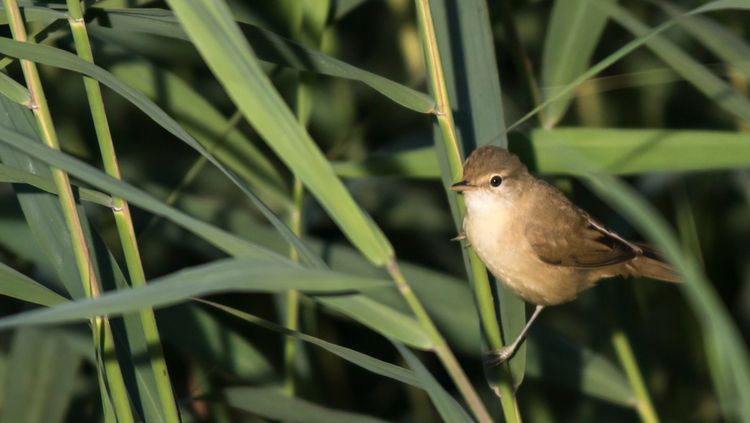
Zugvögel finden erstaunlich genau ihren Weg. Doch wie sie ihre Ost-West-Position ermitteln, war lange unklar. Nun zeigen der Oldenburger Zugvogelexperte Henrik Mouritsen und ein internationales Wissenschaftlerteam: Teichrohrsänger (Acrocephalus scirpaceus) ermitteln ihre Ost-West-Position, indem Sie den Winkel wahrnehmen, mit dem der magnetische Nordpol vom geografischen Nordpol abweicht.
Den Längengrad zu bestimmen, war über Jahrhunderte für Seefahrer eine große Herausforderung. Erst im 18. Jahrhundert konnten die Menschen, dank der Erfindungen des Uhrmachers John Harrison, ihre Ost-West-Position durch zwei sehr genaue Uhren ermitteln – eine auf Ortszeit und eine auf Heimatzeit. Zugvögel finden aber ihren Weg, ohne zwei Uhren zu besitzen. Nun haben Prof. Dr. Henrik Mouritsen von der Universität Oldenburg und ein internationales Wissenschaftlerteam durch Untersuchungen an Teichrohrsängern (Acrocephalus scirpaceus) gezeigt: Die Zugvögel ermitteln ihre Ost-West-Position, indem sie den Winkel wahrnehmen, mit dem der magnetische Nordpol vom geografischen Nordpol abweicht. Die Forscher präsentieren ihre Ergebnisse in der aktuellen Online-First-Ausgabe des renommierten Fachmagazins Current Biology.
Auf ihren oft mehrere tausend Kilometer langen Flügen navigieren Zugvögel erstaunlich präzise. Sie orientieren sich mit Hilfe des Sonnenstands, der Sterne und des Erdmagnetfelds. Bisher konnten Wissenschaftler so erklären, wie Vögel ihre Kompassrichtung und ihre Nord-Süd-Position bestimmen können. Aber wie sie ihre Ost-West-Position feststellen, war seit Jahrzehnten eines der größten Rätsel der Zugvogelforschung. Das Forscherteam aus Oldenburg, Rybachy und St. Petersburg (beides Russland) sowie Bangor (Wales) hat nun gezeigt, dass erwachsene Teichrohrsänger die sogenannte magnetische Deklination ermitteln. Das heißt: Die Vögel nehmen den Winkel wahr, mit dem der magnetische Nordpol vom geografischen Nordpol abweicht. „Wir geben damit zum ersten Mal eine Antwort auf die Frage, wie Vögel ihre Ost-West-Position bestimmen“, sagt Mouritsen.
In einer früheren Untersuchung hatten die Forscher bereits herausgefunden, dass Teichrohrsänger ihre Längengrad-Position nicht wie Menschen durch Zeitverschiebungen bestimmen können. In weiteren Studien konnten die Forscher außerdem zeigen, dass erfahrene Vögel, wenn sie tatsächlich von Ost nach West versetzt werden, dies kompensieren können und dass dabei das Erdmagnetfeld eine entscheidende Rolle spielen muss. Doch welcher Parameter genau den Tieren hilft, blieb unklar. Die Forscher stellten daher die Hypothese auf: Vielleicht können die Vögel den Winkel zwischen dem magnetischen Nordpol und dem geografischen Nordpol mit ihren Sternen- und Magnetkompassen bestimmen. Dieser Deklinationswinkel verändert sich nämlich in Europa sehr regelmäßig von Osten nach Westen.
Diese Hypothese testeten die Wissenschaftler mit einem Experiment: Sie setzten 15 erwachsene Teichrohrsänger vorübergehend während des Herbstzugs im russischen Rybachy in Käfige und testeten sie in sogenannten Orientierungstrichtern. Diese waren mit Spulensystemen ausgestattet, die ein gleichmäßiges Magnetfeld simulieren können. Für den Versuch drehten die Wissenschaftler das Magnetfeld im Vergleich zum natürlichen Magnetfeld vor Ort um 8,5 Grad. Der Abweichungswinkel entsprach nun dem des Magnetfelds im 1.200 Kilometer entfernten Südschottland. Alle anderen potentiellen Hinweise für die Vögel, wie Stärke und Neigung des Magnetfelds sowie Gerüche und visuelle Eindrücke, blieben gleich. Dabei zeigte sich „ein erstaunlicher Effekt“, berichtet Mouritsen: „Die Vögel änderten ihre Orientierung um 151 Grad von West-Süd-West nach Ost-Süd-Ost und kompensierten so das virtuelle Versetzen.“ Im gleichen Versuch mit jungen Teichrohrsängern reagierten die Vögel hingegen desorientiert. Letzteres bestätigt, was Forscher schon länger wissen: Die Vögel müssen erst lernen, sich anhand einer magnetischen Karte zu orientieren.
Laut Mouritsen werfen die Ergebnisse der Untersuchung ein völlig neues Licht auf die Vorstellung von Forschern, wie Vögel navigieren. Einer der Grundsteine in der Orientierungsforschung war bislang, dass Vögel komplett getrennte Systeme besitzen, mit denen sie ihren Ort (Karte) und die Richtung des Flugs (Kompass) bestimmen. „Da die Vögel aber scheinbar zwei Kompasse nutzen können, um ihre Ost-West-Position zu bestimmen, ist diese strikte Trennung zwischen Karte und Kompass nicht mehr korrekt“, sagt der Neurobiologe. Seiner Meinung nach müsse man daher nicht nur künftige Experimente mit anderen Augen betrachten, sondern auch aus früheren Experimenten zum Vogelzug möglicherweise völlig andere Schlussfolgerungen ziehen.