Neben der Sportkarriere studieren? An der Universität Oldenburg ist das möglich, im Bachelorprogramm „BWL für Leistungssportler“. Ein Studiengang mit eigenen Regeln.
Im Leistungssport gibt es keine halben Sachen. Die Athletinnen und Athleten verwenden ihre gesamte Energie auf den Sport. Schließlich wollen sie nach ganz oben oder dort bleiben. Trainer, Fans und Sponsoren erwarten ebenfalls vollen Einsatz. Bleibt da noch Zeit für ein Studium? „Bei uns schon“, sagt Manuel Karczmarzyk. Der Experte für akademische Weiterbildung und Studienangebote koordiniert den Bachelor-Studiengang „BWL für Leistungssportler“ am C3L – Center für lebenslanges Lernen. Seit zwölf Jahren bietet die Universität Oldenburg unter Leitung des Wirtschaftswissenschaftlers Prof. Dr. Thomas Breisig den berufsbegleitenden Studiengang an – für alle, die mindestens 20 Stunden pro Woche Sport treiben.
Die Idee: Parallel zu ihrer sportlichen Aktivität bereiten sich die Spitzensportler auf die Zeit nach der Karriere vor. „Viele Ex-Profis wechseln ins Management oder die Geschäftsführung ihres Vereins, mancher auch in die freie Wirtschaft. Dafür benötigen sie betriebswirtschaftliches Know-how“, erläutert Karczmarzyk. Das bekommen sie am C3L geliefert – internetbasiert und damit abgestimmt auf ihr eng getaktetes Sportlerleben. Der international anerkannte Bachelorstudiengang zeichnet sich durch den Wechsel von Online-Studium und kompakten Präsenzphasen aus. Präsenzen sind immer am Montag und Dienstag, also außerhalb üblicher Spiel- oder Wettkampftermine.
Die Regelstudienzeit beträgt acht Semester, kann aber ohne Probleme ausgedehnt werden. Jeder Studierende kann selbst entscheiden, wie viele Module er pro Semester absolvieren möchte. Selbst Pausen von mehreren Semestern sind kein Problem. Das Studium erfordert eine Hochschulzugangsberechtigung. Sportler, die kein Abitur haben, können alternativ eine vorgegebene Anzahl von Pflichtmodulen absolvieren und sich auf diese Weise fürs Studium qualifizieren.
Keine Klausur nach der Heimpleite
Und was passiert, wenn im hektischen Sportleralltag mal etwas dazwischen kommt? Innerhalb eines gewissen Rahmens können Dozenten, Mentoren und Koordinatoren flexibel auf die Bedürfnisse ihrer Studierenden reagieren. Karczmarzyk nennt ein Beispiel: „Wenn die Mannschaft am Wochenende 0:5 verloren hat, gehen wir nicht davon aus, dass der Student am Montagmorgen zur Klausur erscheint“. Es sei ganz selbstverständlich, dass Profisportler in erster Linie ihrem Verein, in diesem Fall dem Extratraining nach der ärgerlichen Heimpleite, verpflichtet seien. „Mittlerweile kann man Klausuren ja auch problemlos online nachschreiben“, sagt Karczmarzyk.
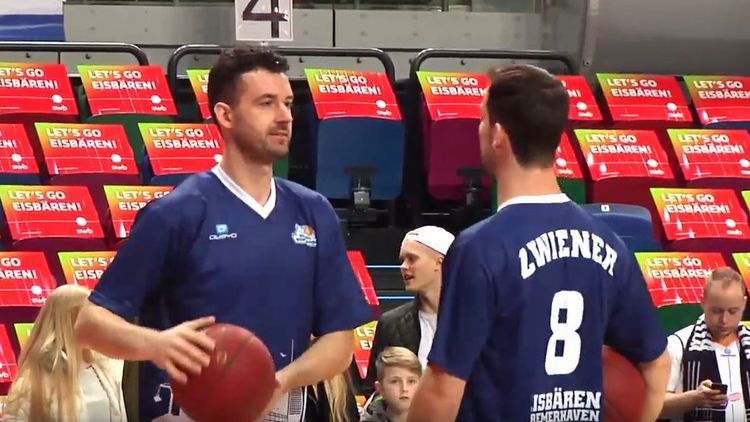
Aktuell betreut der Studiengangskoordinator etwa 40 „BWL-Sportler“, darunter einige bekannte Gesichter wie Fußball-Nationalspieler Jonas Hector und Handballer Sven Sören Christophersen. Zu den rund 60 Alumni zählen neben Ex-Werderaner Florian Bruns – mittlerweile Co-Trainer vom SC Freiburg – Basketballer Jannik Freese und der langjährige Fußball-Nationalspieler Hans Jörg Butt, der im familieneigenen Verladesystemunternehmen Vertrieb und Marketing leitet. „Die Fußballer sind sicherlich unsere bekanntesten Studierenden“, sagt Karczmarzyk. Als Profi-Sportler in einem Milliardenmarkt stünden sie aber auch unter besonders hohem Druck. Da könne es schon mal vorkommen, dass die Hausarbeit noch mal angemahnt werden müsse, bevor etwas passiere.
Gestresste Fußballer, zuverlässige Triathleten
Die Triathleten sind seiner Erfahrung nach anders gepolt: Eher ruhig und sehr zuverlässig. Außerdem bereiten sie sich gern alleine auf Prüfungen vor – so wie es aus ihrem Sport kennen. Ähnlich sei es bei den Reitern und Seglern. „Ich halte nichts von Stereotypen, aber ab und zu kann man schon einige Parallelen entdecken“, sagt der Studiengangkoordinator, der selbst in der Sportakrobatik als Trainer aktiv ist.
Für Leistungssportler sei es immens wichtig, sich auf die Zeit nach der Karriere vorzubereiten. „Damit es sinnvoll weitergeht und man nach dem ganzen Trubel nicht in ein Loch fällt“, erklärt er. Hinzu komme, dass die Sportler mit ihrer jahrelangen Praxiserfahrung der Sportbranche wichtige Impulse geben können. „Da schlummert viel Potenzial, das in die Chefetagen der Vereine gehört“. Hochschulen in Köln, Jena und Leipzig bieten ähnliche Programme an, allerdings seien diese eher aufs Sportmanagement ausgerichtet. Der Oldenburger Studiengang ist da breiter aufgestellt. Eine Alumni-Befragung hat im Jahr 2016 gezeigt, dass 95 Prozent der Absolventen den Studiengang als Sprungbrett in ihr „zweites“ Berufsleben sehen. „Sie wollen mehr sein, als ‚nur Sportler‘. Das ist mehr als verständlich, und wir ebnen ihnen den Weg dafür.“
Noch bis zum 15. Februar können sich Interessierte für das Sommersemester 2019 einschreiben. Eine Online-Infoveranstaltung findet am 12. Februar um 18.00 Uhr statt. Eine Anmeldung ist hier möglich.