
Neustadtgödens
Impressionen
Neustadtgödens
Religious plurality in East Frisia in the 17th and 18th centuries
The inconspicuous 17th century East Frisian village of Neustadtgödens is a minor celebrity in regional history, as it is considered a prime example of early modern integration: in the post-Reformation period, five religious communities lived together in close proximity. The survival of this religious mixture to this day is a fascinating testimony to the coexistence of religions, which was often harmonious and tolerant, but not infrequently also conflictual and even violent.
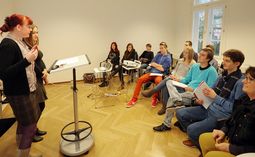
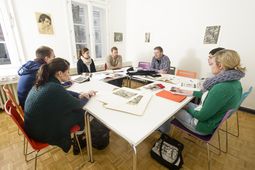
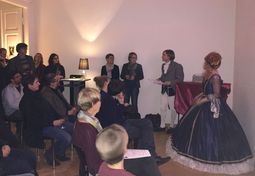
This workshop is part of the Freiheitsraum Reformation project and is a co-operation between the University of Oldenburg, the Oldenburg Cultural Office, the Jever Castle Museum and the Youth Cultural Work Association. The aim of this workshop is to analyse the village as a source of early modern religious history and to make everyday life and the meeting places of the various religions tangible for the pupils. The regional success story of the Reformation and religious tolerance can be traced using numerous traces and at the same time relevant questions for the present and future can be derived from it. The fascinating work with original documents from the state archives in Aurich and Oldenburg as well as an excursion to Neustadtgödens will serve the pupils as a professional basis for the development of a theatre play.
This workshop will be accompanied by students from the University of Oldenburg, among others. They will be available to the groups of pupils as experts in the course of their specialised examination of religious plurality in Neustadtgödens. In an ongoing exchange, they will also provide support in analysing sources and advise on questions of historical authenticity.