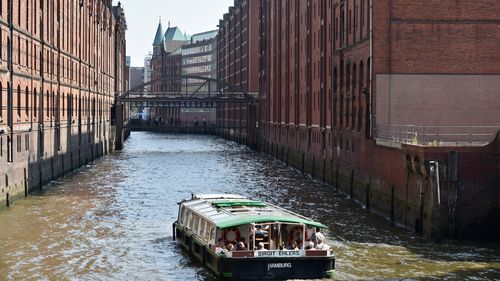
Autonomous zero-emission ships could decongest cities that have a network of small waterways. Oldenburg IT specialists are studying this environmentally friendly kind of freight transport in the EU project AVATAR.
Artificial intelligence could accelerate the search for an effective drug against Sars-CoV-2, says AI expert Oliver Kramer. He and his team have developed a method for identifying promising candidates.
How does teaching work digitally? This question is more topical than ever due to school closures. In this interview, computer science didactics expert Ira Diethelm explains the challenges and opportunities presented by the current situation.
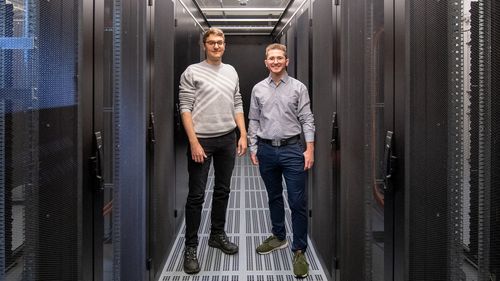
Quench your thirst for knowledge, gain new insights and lay the foundations for an academic career - there are many reasons to do a doctorate. Two doctoral candidates from Computing Science show how it's done.
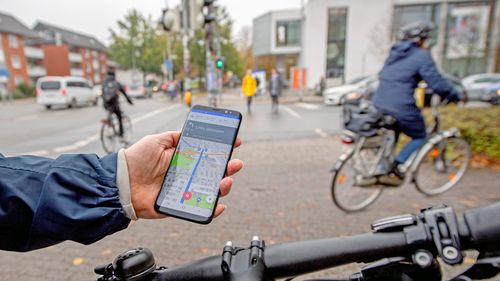
Innovative technologies have the potential to make cycling safer, more attractive and more comfortable. Oldenburg business informatics researchers are investigating which solutions work best.
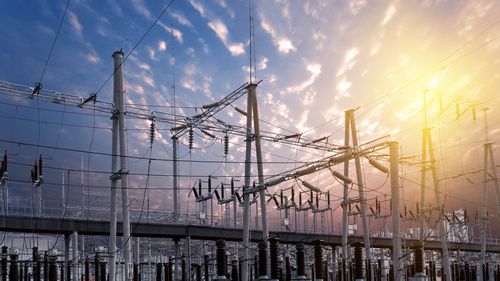
How can residential areas be optimally supplied with decentralised energy? A joint project led by energy computer scientist Sebastian Lehnhoff aims to find out.
The University of Oldenburg was successful in the tenure-track programme of the federal and state governments: all professorships applied for were approved.
The university has set up an interdisciplinary research centre to investigate the technical and social challenges of so-called "human-cyber-physical systems". Scientists from all six Schools are involved.
Oldenburg research into artificial intelligence to be strengthened
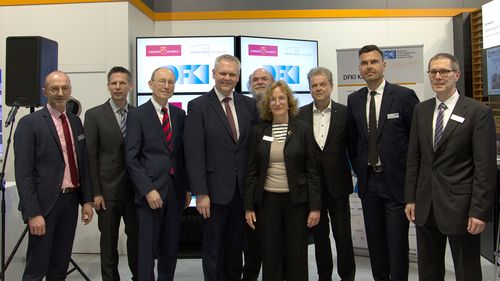
Lower Saxony is intensifying its research activities in the fields of digitalisation and artificial intelligence (AI): The current branch of the German Research Centre for Artificial Intelligence (DFKI) in Osnabrück is being expanded into the DFKI Laboratory Lower Saxony with branches in Oldenburg…