How volcanic eruptions drove severe mass extinctions
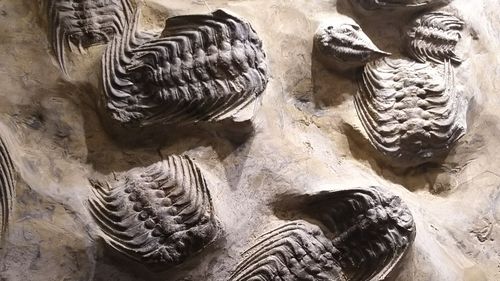
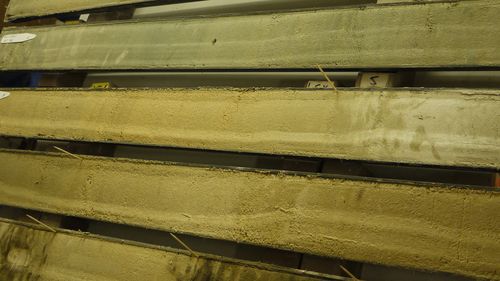
Volcanism probably triggered a period of global cooling that caused one of the most severe mass extinctions in Earth history. A new study by Jack Longman and colleagues is looking at the mechanisms behind this event.
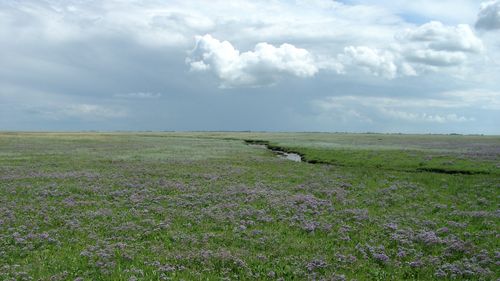
Coastal ecosystems naturally store carbon. But how can this potential be improved? A new joint project has recently started investigating this question.
Growing microorganisms and their natural communities in the lab – that's what a new collaborative project led by Oldenburg researchers is working on. The aim is to develop a bioreactor that simulates microbes' natural living conditions.
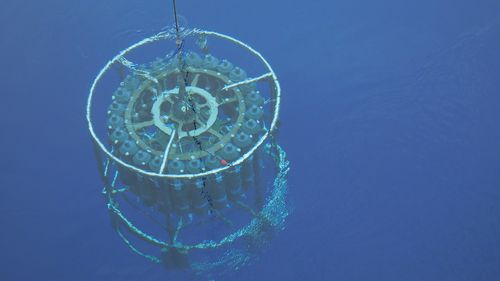
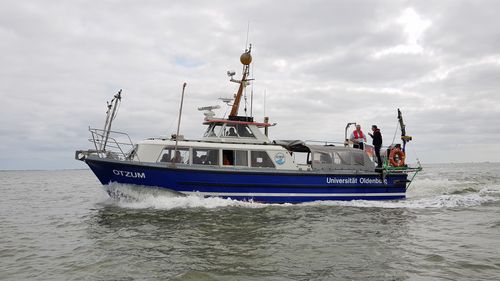
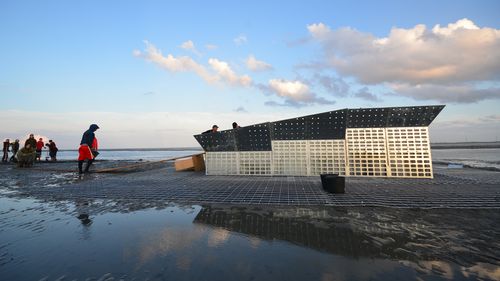
Protecting our coasts and strengthening ecosystems at the same time is the goal of the Gute Küste Niedersachsen research network. Last week, Science Minister Thümler accompanied the researchers on a measurement campaign off Spiekeroog.
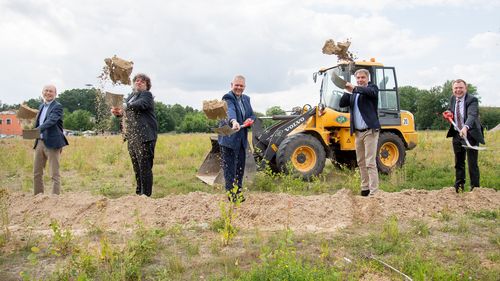
The ground-breaking ceremony for the new Oldenburg Helmholtz Institute has been held. Lower Saxony's Science Minister Björn Thümler marked the occasion by handing over the grant notification totalling 15 million euros.
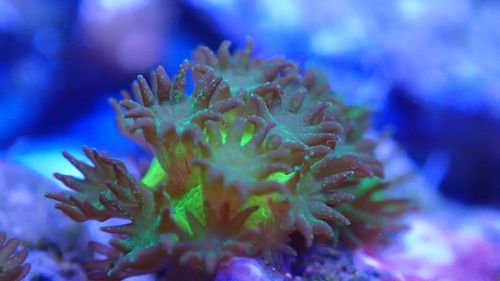
Scientists at the Institute for Chemistry and Biology of the Marine Environment (ICBM) scored a success: in the aquariums in Wilhelmshaven they were able to induce sexual reproduction in stony corals for the first time in Germany.
An underestimated source of marine microplastic pollution
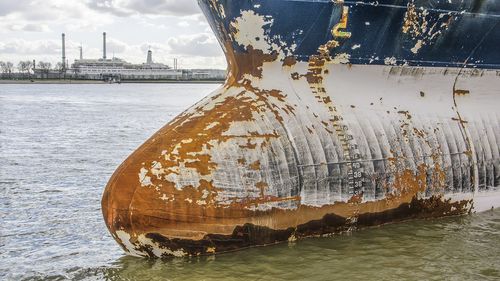
Marine paints can be a major source of microplastics in the North Sea. In a new study, Oldenburg environmental geochemists hypothesize that ships leave a kind of 'skid mark' in the water.
Marine biodiversity is threatened by climate change, pollution and overfishing. Biodiversity expert Helmut Hillebrand explains in this interview how research can help to improve marine conservation.
From a South Pacific expedition, a research team led by geoscientist Torben Struve brought back a research object which had travelled far before and can help explain the severe Earth cooling of the last Ice Age – dust.
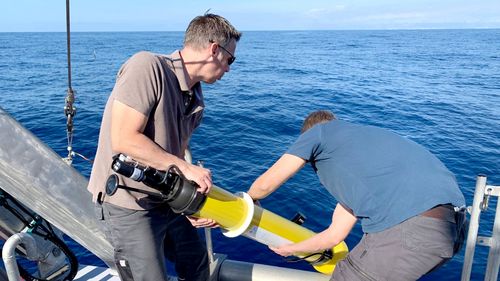
Almost 4,000 robotic floats drift through the world's oceans in the international Argo programme. Using new optical measuring methods, the robots will soon be able to collect biological and chemical data.
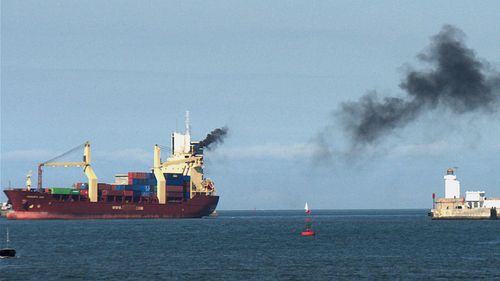
To monitor emissions from shipping traffic, Oldenburg scientists and partners from France are developing a network of autonomous sensors. The devices will look for soot or oil residues at the sea surface and in the atmosphere.
Reconciling ecological and social demands for a better management of the marine environment - that is the goal of a new, international project led by the Helmholtz Institute for Functional Marine Biodiversity.
Excellence Strategy
Research
Top News
Marine Sciences
Islands of diversity
Success for Oldenburg marine scientists: a new research group led by biodiversity expert Helmut Hillebrand is focussing on the question of how biodiversity develops on islands. The German Research Foundation is funding the project with three million euros for an initial period of three years.
Excellence Strategy
Research
Top News
Marine Sciences
Bioreactor underground
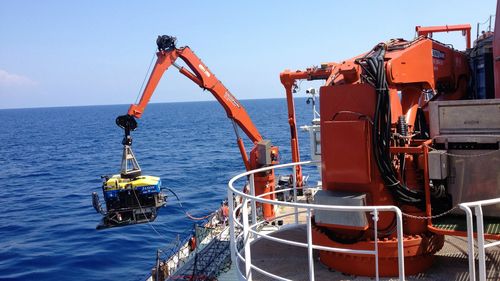
In the middle of the Atlantic, researchers have discovered a previously unknown part of the global carbon cycle. Subterranean microbes break down residues in the ocean crust that their relatives in the open ocean spurn. Thorsten Dittmar from the ICBM and colleagues report this in the journal Nature…