

Society today no longer seems to be perceived as fair. The infrastructure is falling apart, the gap between rich and poor is growing, the middle class feels threatened by fears of decline, conservatives by too much "wokeness". Yet the modern welfare state of the post-war period had made a promise: Education, full employment, upward mobility and a comfortable life.
Time to take a look at the multi-layered idea of the "just order". What ideas did the ancient Greeks, peasants in the early modern period or Swedes in the 20th century have about what was "just" or how society should be organised fairly? And: What efforts must be made to realise them?
| 21.4. | A fair world map? Arno Peters and the debate on global justice since 1970 Dr habil. David Kuchenbuch (Univ. Oldenburg) |
| 5.5. | Nobility and peasants, men and women, Christians and "heretics": Justice and social inequalities in the Middle Ages Prof. Dr Almut Höfert (Univ. Oldenburg) |
| 19.5. | "Doing your part and not getting bogged down". Debates on justice in Greece and Rome Prof. Dr Michael Sommer (Univ. Oldenburg) |
| 2.6. | Just Order - Critical Reflections on the Background of Latin America: From Liberation to Decolonisation Prof. Dr. Ulrike Sallandt (Univ. Oldenburg) |
| 16.6. | The Peasants' War of 1525 - in search of a just order? Prof. Dr Gerd Schwerhoff (TU Dresden) |
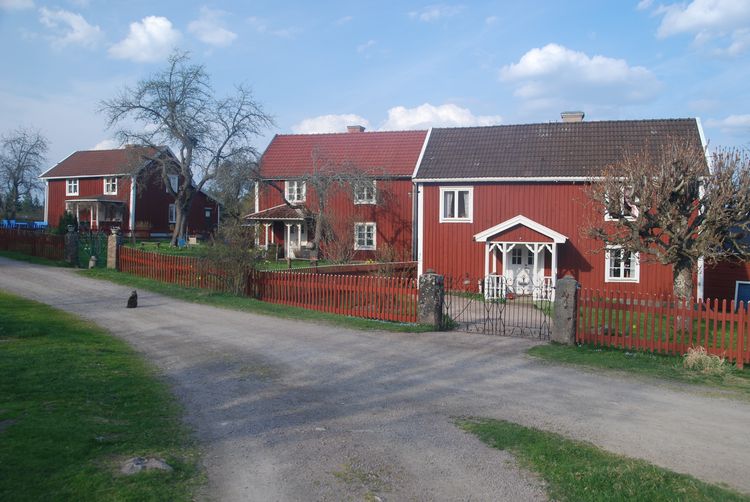
| 30.6. | The Swedish "People's Home". How capitalism and the welfare state should create a just society Prof. Dr Thomas Etzemüller (Univ. Oldenburg) |
All lectures on Tuesdays 6.15 pm, Lecture Hall, Landesmuseum Natur und Mensch (Damm 38-46)