
Previously awarded publications
Previously awarded publications
With a scientific publication, also known as a paper, scientists publish their own research topic in writing in specialist journals in order to share their research openly and verifiably with other colleagues. With the "Hermine Heusler-Edenhuizen Prize", School VI Medicine and Health Sciences honours outstanding work by its young scientists.
To this end, applicants prepare their newly acquired findings in a concise and comprehensible manner and submit them to . A committee from School VI Medicine and Health Sciences selects the winner from all submitted applications and publications.
The prize is sponsored by the Friends and Sponsors of University Medicine Northwest e.V.
Hermine Heusler-Edenhuizen Prize – in the early stages of their careers 2025
Dr Daniel Kristanto

Title of publication: "The multiverse of data preprocessing and analysis in graph-based fMRI: A systematic literature review of analytical choices fed into a decision support tool for informed analysis".
Authors: Daniel Kristanto, Micha Burkhardt, Christiane Thiel, Stefan Debener, Carsten Gießing, Andrea Hildebrandt
Department or university clinic: Department of Psychology, Psychological Methods and Statistics
Journal: Neuroscience and Biobehavioral Reviews, 2024, Volume 165; IF 7.9
Summary of the background, research question and significance of the publication: The multitude of data analysis options available to researchers in the fields of computer-assisted psychiatry, neurology and psychology has been identified as a key factor in the replication crisis. Multiverse analysis, which systematically examines all reasonable options, has been proposed as a solution. However, for researchers in fields such as neuroimaging who work with highly complex data, it is almost impossible to be aware of all reasonable analysis options. As a solution, we have created a systematic map of the analytical multiverse for graph-based fMRI research. Through a systematic literature review, we compiled the analysis pipelines from the 220 most relevant articles of the last 15 years. The results showed that no two studies used the same data analysis pipeline and that some analytical decisions are particularly controversial. Importantly, we also put these findings into practice by developing an interactive decision support application called METEOR. For applied neuroimaging researchers, METEOR is invaluable for designing multiverse studies to discover robust neuroimaging biomarkers. Before embarking on data analysis, researchers can explore the landscape of common analysis steps, their typical sequence, and their frequent combinations from the literature. They can also enter an intended pipeline and check its conformity with published studies. In addition, the app serves as an important educational resource for clinical neuroscientists at the beginning of their careers to navigate the methodological landscape.
About the award winner: Daniel Kristanto, who holds a PhD from Hong Kong Baptist University, is a postdoctoral researcher in the Psychological Methods and Statistics section of the Department of Psychology and a Young Researchers' Fellow at the University of Oldenburg. His work, which aims to establish a junior research group, combines meta-science and AI to advance neuroimaging research for psychology, psychiatry and neurology.
Hermine Heusler-Edenhuizen Prize – in the established career phases 2025
Simon Matteo Gerhards

Title of publication: "How do medical students deal with the topic of racism? A qualitative analysis of group discussions in Germany".
Authors: Simon Matteo Gerhards, Prof. Dr. Mark Schweda
Department or university clinic: Department of Health Services Research, Division of Medical Ethics
Journal: PLoS ONE, 2024, 19(11), e0313614
Summary of the background, research question and significance of the publication: In the Geneva Declaration of the World Medical Association (1948), the medical profession committed itself to treating all patients equally, and the Berlin Declaration (2022) calls on all doctors to take active measures against racism. Nevertheless, there is a discrepancy between professional ethical standards and practice. Initial studies in Germany show that racism is widespread in the German healthcare system at the interpersonal, institutional and structural levels. Surveys conducted by the National Discrimination and Racism Monitor (2023) confirm the negative effects on the doctor-patient relationship, access to healthcare and mental health. Although medical training plays a central role in enabling doctors to act in accordance with their anti-discriminatory professional ethics, the way medical students deal with racism in Germany has hardly been studied to date. This research gap is addressed by the publication in the internationally renowned peer-reviewed journal PLoS ONE. Its aim is to contribute to a deeper understanding of how medical students in Germany deal with the everyday but often taboo topic of "racism". The research questions are: What understanding do medical students have of racism? How do they deal with the topic in discussions? What challenges do they face in doing so? The significance of the publication lies in the fact that it addresses a topic that has not yet been researched in the German-speaking context using innovative methods. With its qualitative analysis of group discussions, it provides initial systematic insights into the heterogeneous approaches of medical students to the topic of racism. It thus creates an important basis for a better understanding of the significance of medical studies in this context and for the differentiated development of teaching concepts to combat racism in medicine and healthcare in Germany. Methodologically, the study combines recognised methods of qualitative social research in order to capture not only the explicit statements of the students but also implicit aspects that influence how racism is dealt with. The results have already been taken up for the further development of human medicine teaching at the UMO: since 2024, the digital learning unit "Let's talk about racism" has been part of the compulsory curriculum.
About the award winner: Simon Gerhards is a physician and researcher in the Department of Medical Ethics at University Medicine Oldenburg. His doctoral project focuses on medical students' perspectives on racism. For this, he received funding from University Medicine Oldenburg's Dr. med. Excellence Programme in the summer semester of 2023.
Hermine Heusler-Edenhuizen Prize – in the early stages of their careers 2023
Dr Alexander Fassmer
Title of publication: "Hospitalisation of German and Dutch Nursing Home Residents Depends on Different Long-Term Care Structures: A Systematic Review on Periods of Increased Vulnerability"
Authors: Dr Alexander M. Fassmer, Dr Katharina Allers, Jasmin Helbach, Prof. Dr Sytse Zuidema, Prof. Dr Michael Freitag, Prof. Dr Tania Zieschang, Prof. Dr Falk Hoffmann
Department, department or university hospital: Department of Health Services Research, Division of Ambulatory Care and Pharmacoepidemiology
Journal: Fassmer et al_JAMDA_ 2023
Summary of the background, research question and significance of the publication: Demographic change is leading
to an increase in the number of people requiring care. A growing proportion of the population is dying in nursing homes. Due to poor health, nursing home residents have increased medical care needs. This often results in hospital transfers, many of which are considered potentially avoidable. The literature to date suggests that these transfers are particularly frequent in Germany. It also indicated that this care problem does not exist in this form among our Dutch neighbours.
For this reason, the Cross-Border Institute of Healthcare Systems and Prevention (CBI) conducted a systematic comparison of the available evidence on hospital admissions of German and Dutch nursing home residents. The focus was on particularly vulnerable phases, i.e. the first six months after admission to a nursing home and the last six months of life.
This study showed that German nursing home residents are transported to hospital significantly more often than Dutch residents in all periods examined. While in Germany approximately every second nursing home resident is hospitalised at least once in the last month of life, in the Netherlands the figure is only 8.0-15.7%. In addition, nursing home residents in Germany also die more frequently in hospital (28.9-29.5% vs. 1.0-16.3% in the Netherlands). Meanwhile, the characteristics of the underlying nursing home populations hardly differed from each other. For the first time, a team of authors compared key figures from the two health and care systems and discussed various factors that could be responsible for these differences in hospital transport: the organisation of medical care in nursing homes, the handling of residents' care wishes (living wills, advance care planning) and social attitudes towards ageing and end-of-life care. The work highlights the relevance of the topic and formed the basis for further research carried out in this German-Dutch co-operation project.
About the award winner: Alexander Maximilian Fassmer studied public health (B.Sc. and M.A.) at the University of Bremen. He is a research assistant in the Department of Outpatient Care and Pharmacoepidemiology at University Medicine Oldenburg and completed his dissertation on hospital transports from inpatient nursing homes on 27 August 2021 (Dr. rer. medic.).
Hermine Heusler-Edenhuizen Prize – in the established career phases 2022
Dr Christian Keine

Title of publication: "Presynaptic Rac1 controls synaptic strength through the regulation of synaptic vesicle priming"
Authors: Christian Keine, Mohammed Al-Yaari, Tamara Radulovic, Connon I. Thomas, Paula Valino Ramos, Debbie GuerreroGiven, Mrinalini Ranjan, Holger Taschenberger, Naomi Kamasawa and Samuel M. Young, Jr.
Department, faculty or university clinic: Department for Human Medicine, Research Centre Neurosensory
Science Journal: Keine et al_eLife_ 2022.pdf
Summary of the background, research question and significance of the publication: The release of synaptic vesicles (SVs) from the presynaptic terminal is the basis of neuronal communication. The timing of SV release is critical for accurately and consistently transmitting neuronal information. Since the presynaptic terminal contains only a limited number of SV, balancing release and replenishment is essential in maintaining synaptic transmission over prolonged periods of time and a wide range of neuronal activities. Presynaptic actin is crucial for synaptic transmission, but how presynaptic regulators of actin signalling cascades control SV release and replenishment remains unresolved. Rac1, a Rho GTPase, controls actin signalling cascades that regulate synaptogenesis and neuronal development, however, Rac1's role in regulating synaptic transmission is unknown. Notably, Rac1 mutations are linked to intellectual disability. To investigate the roles of presynaptic Rac1 in the regulation of transmitter release while avoiding interference with its role in synaptogenesis, axon guidance, and neuronal development, we selectively deleted Rac1 in the calyx of Held presynaptic terminal in adult mice. Loss of Rac1 increased synaptic strength, accelerated SV recovery after conditioning stimulus trains, and augmented spontaneous SV release while having no effect on presynaptic morphology or AZ ultrastructure. To gain mechanistic insight, we fitted the experimental data to different SV pool models and found that loss of presynaptic Rac1 increases SV priming kinetics and, depending on model assumptions, elevates SV release probability or the number of fusion-competent SVs. This study demonstrates that presynaptic Rac1 regulates SV priming and SV release probability independently of its role in neuronal development and will help to better understand how synaptic transmission is altered in neuronal circuits associated with neurological disorders and addiction.
About the award winner: Christian Keine received a Ph.D. from the University of Leipzig studying neuronal inhibition in signal transmission. He then pursued a postdoc at the Max Planck Florida Institute for Neuroscience and the University of Iowa investigating the role of presynaptic proteins on synaptic transmission.
Hermine Heusler-Edenhuizen Prize - Winter Semester 2022/2023
Natalie Gray

Title of publication: "Differential Upregulation and Functional Activity of S1PR1 in Human Peripheral Blood Basophils of Atopic Patients".
Authors: Natalie Gray, Maren M. Limberg, Daniela Wiebe, Tobias Weihrauch, Anna Langner, Nicola Brandt, Anja U. Bräuer and Ulrike Raap.
Department or university clinic: Department for Human Medicine, Division of Experimental Allergology and Immunodermatology and Division of Anatomy
Journal: https://pubmed.ncbi.nlm.nih.gov/36555755
Summary of the background, research question and significance of the publication: Basophilic granulocytes are important effector cells in allergic diseases such as atopic dermatitis (AD), as they recognise allergens through receptor-bound IgE This releases proinflammatory cytokines, which trigger the inflammatory cascade and recruit other immune cells such as eosinophilic granulocytes and T Sphingosine-1-phosphate (S1P) is a lipid mediator that binds to five different S1P receptors (S1PR), whose signalling cascade plays an important role in various biological processes.
Elevated S1P levels have been found in both AD and allergic asthma, which is why we wanted to investigate the interaction between basophils, which are important in these diseases, and the lipid S1P in more detail. This paper is the first publication to examine the interaction between basophils and S1P. We were the first research team to prove that basophils express four S1P receptors and can therefore interact with S1P. We were also able to show that stimulating basophils with different concentrations of S1P affects both the lifespan and chemotactic migration of the cells. The pathological concentration of 10 µM promotes cell apoptosis, and basophils from atopic patients respond with a reduced level of cell migration. This could be related to the observed lower protein expression of S1PR1. These results suggest that the elevated S1P levels in atopic diseases limit the number of basophils, thereby counteracting an exacerbation of the local inflammatory response. This opens up a new perspective on the role of S1P in atopic diseases. Previously, this lipid was considered to be rather pro-inflammatory, but it also appears to have an anti-inflammatory effect by limiting basophils. In addition, we demonstrated for the first time that basophils in the tissue of an AD patient possess intracellular S1P. When released, this could influence the number and survival of basophils through self-regulatory mechanisms. Further research is needed in this area, as it could represent a new and interesting aspect of atopic pathogenesis.
About the award winner: Natalie Gray, born on 15 February 1995, has been employed as a doctoral candidate and research assistant in the Departments of Experimental Allergology and Immunodermatology and Anatomy since February 2020. There she is conducting research on the interaction between sphingosine-1-phosphate and basophil granulocytes. She previously completed her master's degree in Molecular Medicine at Trinity College in Dublin.
Hermine Heusler-Edenhuizen Prize – Summer Semester 2022:
Anna Brinkmann

Title of publication: "Providing physical relief for nurses by collaborative robotics"
Authors: Anna Brinkmann, Conrad Fifelski-von Böhlen, Christian Kowalski, Sandra Lau, Ole Meyer, Rebecca Diekmann, Andreas Hein
Department, faculty or university hospital: Assistance Systems and Medical Technology Department, Department of Health Services Research, Geriatrics Department, Department of Health Services Research
Journal: https://doi.org/10.1038/s41598-022-12632-4
Summary of the background, research question and significance of the publication: Employees in nursing professions are exposed to above-average mental and physical work demands, which can lead to musculoskeletal complaints and degenerative musculoskeletal disorders. The consequences are job-specific incapacity to work and early retirement before reaching retirement age. These factors have a serious impact on the prevailing discrepancy between the acute shortage of skilled workers and the increasing number of people in need of care – caused by demographic change and COVID-19.
Repositioning processes in nursing beds are among the physical health risks of everyday nursing care, which are carried out every two to three hours – often without taking ergonomic practices or the use of aids into account. New approaches and technologies for physical relief are urgently needed to improve prevailing working conditions. Collaborative robotic systems offer a way to adaptively support conventional work processes based on sensory perception of the environment.
Our work is the world's first experimental study to quantify the potential of collaborative robotics for reducing the physical strain on nursing staff. In the care laboratory at the University of Oldenburg, a patient simulation doll (80 kg) was moved from a supine to a lateral position in a care bed, in accordance with ethical and technical requirements. The repositioning was carried out through the targeted collaboration of the nursing staff with the robotic system. A measurement and analysis system recorded the movement and muscle activity data of the nursing staff in order to derive the preparation and interaction strategies in the nursing process and quantify the potential for reducing physical strain. The use of the robotic system reduced the maximum physical effort required in the nursing process by up to 51%. Highly asymmetrical postures and movements during repositioning corresponded to pronounced maxima in the muscle activity data of the lower limbs and spine and were reduced by up to 87%. This led to a significant reduction in average muscle activity in the spine (55%).
In summary, the presented work demonstrates the feasibility of robot-assisted patient handling for the first time and lays the foundation for future research. It underlines the need for interdisciplinary research to analyse the sensory perception of the environment by the robotic system in order to respond adaptively to the individual needs and functional abilities of nursing staff.
About the award winner: Anna Brinkmann studied medical technology (B.Sc.) and human technology in sports and medicine (M.Sc.) in Bremerhaven, Cologne and Istanbul. She works in the Department of Assistance Systems and Medical Technology at the University of Oldenburg and defended her dissertation "Biomechanical analysis of nursing tasks for physical relief by collaborative robotics" on 23 September 2022 (Dr. rer. nat.).
Hermine Heusler-Edenhuizen Prize – Winter semester 2021/2022:
Dr Janina Noster
Title of publication: "Bloodstream Infections Caused by Magnusiomyces capitatus and Magnusiomyces clavatus: Epidemiological, Clinical, and Microbiological Features of Two Emerging Yeast Species"
Authors: Janina Noster, Martin B. Koeppel, Marie Desnos-Olivier, Maria Aigner, Oliver Bader, Karl Dichtl, Stephan Göttig, Andrea Haas, Oliver Kurzai, Arthur B. Pranada, Yvonne Stelzer, Grit Walther, Axel Hamprecht
Department or university clinic: University Institute for Medical Microbiology and Virology, Department for Human Medicine
Journal: Antimicrobial agents and chemotherapy (2021), Vol. 66 No. 2, AAC-01834
Summary of the background, research question and significance of the publication: Bloodstream infections with rare yeasts such as Magnusiomyces spp. (formerly) pose a major challenge in diagnosis and treatment. It is not possible to differentiate between the two most common species, Magnusiomyces clavatus and Magnusiomyces capitatus, using the biochemical methods employed to date, and the true epidemiology of these infections is unknown. Due to their intrinsic resistance to many antifungal agents (e.g. echinocandins), mortality rates for infections with these pathogens remain very high, despite modern antifungal chemotherapies. To date, there have been only a few studies on the epidemiology and antifungal susceptibility of these pathogens using reference methods for identification and resistance testing.
In our study, we compiled isolates from a total of 34 bloodstream infections with M. clavatus and M. capitatus from seven institutions in Germany and Austria over a period of almost 20 years. Thanks to molecular and mass spectrometric identification methods, we were able to show that infections in Germany were much more frequently caused by M. clavatus, in contrast to most previously published data, which was not obtained using molecular biological reference methods. The majority of infections (79%) in our study occurred in patients with underlying haematological-oncological diseases. We examined the sensitivity of these isolates to eight different antifungal agents using the gold standard method of broth microdilution; voriconazole and posaconazole showed the best in vitro efficacy. We also compared these results with the frequently used gradient tests, which showed unacceptable agreement with the reference method. Furthermore, we were able to establish methods with which even smaller laboratories without molecular biological equipment or mass spectrometry can reliably distinguish between M. capitatus and M. clavatus. In summary, the presented work represents the most comprehensive study on Magnusiomyces spp. in bloodstream infections. Our work contributes to the understanding of the epidemiology of these rare pathogens and provides both clinicians and laboratories with important information for the treatment and diagnosis of these emerging pathogens.
About the award winner: Dr Janina Noster took over as head of the research laboratories in Prof. Hamprecht's Department of Medical Microbiology and Virology in July 2020. Her research focus is on analyses of the expression of antibiotic resistance genes. She completed her doctorate in the Department of Microbiology at the University of Osnabrück on the interaction of metabolism and virulence in Salmonella enterica.
Hermine Heusler-Edenhuizen Prize – Summer Semester 2021:
Dr Sonja Mertsch
Title of publication: "The effect of Rho kinase inhibition on corneal nerve regeneration in vitro and in vivo"
Authors: Sonja Mertsch, Inga Neumann, Cosima Rose, Marc Schargus, Gerd Geerling, Stefan Schrader
Department or university clinic: University Clinic for Ophthalmology, Department for Human Medicine
Journal: The Ocular Surface, Aug 2021, in press, available online 19 August 2021
doi: 10.1016/j.jtos.2021.08.011; IF 12.336 (2019)
Summary of the background, research question and significance of the publication: Neurotrophic keratopathy (NK) is a degenerative corneal disease based on reduced innervation of the cornea. The underlying causes are diverse and range from viral infectious diseases (e.g. herpes keratitis) to neurosurgical procedures, surgical procedures on the cornea and systemic diseases such as diabetes mellitus. Despite the fundamental regenerative potential of peripheral nerve fibres, sufficient reinnervation of the cornea rarely occurs, which can often lead to persistent corneal ulcers and, in severe cases, blindness. Previous symptomatic therapies have focused on intensive surface wetting and coverage with amniotic membrane. Since 2017, rNGF has been available as a curative treatment option for the first time. However, due to its high cost (approx. €14,000), it is only used in the most severe cases. Understanding of the underlying mechanisms of NK is still incomplete and there is a great need for alternative curative treatments.
In this publication, we were able to demonstrate for the first time the positive influence of Rho kinase (ROCK) inhibition on the regeneration of damaged corneal nerves in vitro and in vivo. A novel 3D corneal model was established, which provides an in vivo-like environment for the nerve cells. The results were comparable to those obtained in conventional 2D experiments and in vivo experiments. In addition, confocal microscopy (HRT-III) was used to track nerve regeneration over a period of 28 days in the same animals. In addition to functional analyses, signalling pathways were also investigated using qrtPCR to uncover the underlying mechanisms of increased regeneration.
In summary, in this publication we established a new 3D model for nerve regeneration and confocal microscopy in a mouse model, enabling us to demonstrate the regenerative effect of the ROCK inhibitor on damaged nerve fibres. This is a clinically very promising approach for a novel curative therapy for NK and is also particularly relevant because ROCK inhibitors (ripasudil, netarsudil) are already approved in Japan and the USA for the treatment of glaucoma, which significantly simplifies the possible clinical translation of the project.
About the award winner: Dr. rer. nat. Sonja Mertsch has been head of the Laboratory for Experimental Ophthalmology at the University Eye Clinic in Oldenburg since December 2018. Her research focuses on corneal nerve regeneration and the reconstruction and regeneration of the eye surface and adnexa. Dr Sonja Mertsch studied biology at the University of Münster and completed her doctorate at the Institute of Neuropathology in Münster on molecular mechanisms of tumour cell migration.
Hermine Heusler-Edenhuizen Prize – Winter Semester 2020/2021:
Daniel Hölle and Juan Felipe Quiñones Sánchez
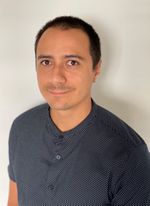
Daniel Hölle
Title of publication: "Mobile ear-EEG to study auditory attention in everyday life"
Authors: Daniel Hölle, Joost Meekes, Martin G. Bleichner
Department or university clinic: Neurophysiology of Everyday Life (Emmy Noether Group), Department of Psychology
Journal: Behaviour Research Methods (2021), Volume & Pages TBD
Summary of the background, research question and significance of the publication: The majority of neurological studies on auditory perception are conducted under controlled laboratory conditions. However, the extent to which these research results can be transferred to complex everyday situations is unclear. Our study recorded the electrophysiological activity of test subjects for a period of 6 hours in everyday life for the first time. Our goal was to show that such long-term recordings are technically possible and that the resulting data can be interpreted. To this end, we built a prototype that allows electrophysiological activity to be recorded at the ear while simultaneously presenting sounds via headphones worn around the neck. We used a smartphone worn on the arm for recording and sound presentation. Our subjects worked on a familiar auditory paradigm (oddball experiment) for the entire duration of the experiment while going about their normal office work. The subjects were free to move around, e.g. go to the canteen and eat, drink coffee or talk to colleagues. In these everyday recordings, we were able to measure the expected brain responses and thus demonstrate the feasibility of such recordings. To date, there is no comparable study that has conducted such long-term recordings with minimal experimental control in everyday life. This work is a crucial step for further studies in everyday life, allowing us to explore neurophysiological foundations outside the laboratory.
About the award winner: Daniel Hölle is a doctoral student in the "Neurophysiology of Everyday Life" group in the Department of Psychology in Oldenburg. His research focuses on noise sensitivity and noise processing in everyday life.
Juan Felipe Quiñones Sánchez
Title of the publication: "Nature and nurture shape structural connectivity in the face processing brain network"
Authors: Juan Felipe Quiñones Sánchez, Dr Xinyang Liu (until February 2021), Dr Changsong Zhou, Prof. Dr Andrea Hildebrandt
Department or university clinic: Department of Psychology, Psychological Methods and Statistics
Journal: NeuroImage, 2021,229, 117736
Summary of the background, research question and significance of the publication:
The published article is the result of a research project investigating the environmental and genetic contributions to structural connectivity among face-processing areas in the brain. The ontogeny of face processing abilities has been a subject of debate among researchers who have claimed environmental or genetic prevalence. Several studies have addressed this topic at both the behavioural and functional levels and yielded heterogeneous results. Our main goal was to build on this debate by assessing how nature and nurture contribute to fractional anisotropy in the structural pathways linking a well-documented set of face-processing areas in the brain. To do so, we made use of probabilistic tractography and structural equation models for twin data. Our results indicate that, although small, there are significant genetic effects that account for individual differences in the structural face network. We further highlight that such effects are exclusive to the structural face network and thus, additional to well-studied genetic effects for general white matter. High uniqueness estimates resulting from statistical modelling emphasise the importance of individual-specific effects, including measurement error. Ultimately, our findings are of great relevance, as they: 1. For the first time address the ontogenetic factors responsible for the structural basis of the face processing network. 2. Identify significant genetic effects specific to this subsystem. 3. Provide statistical background for further studies exploring the components of unique effects. The reported findings additionally entail great methodological achievements, namely a very large sample size for neuroimaging studies and two different methods for the definition of regions of interest for further fibre tract reconstruction.
About the award winner: Juan Felipe Quiñones Sánchez studied psychology in Bogota, Colombia, and later enrolled in the Master's programme in Neurocognitive Psychology at the University of Oldenburg, which led to the submitted publication. He is currently a doctoral candidate in the Psychological Methods and Statistics section of the Department of Psychology.
Hermine Heusler Edenhuizen Prize – Summer Semester 2020:
Anne Gläser
Title of publication: "Identification of Brain-Specific Treatment Effects in NPC1 Disease by Focusing on Cellular and Molecular Changes of Sphingosine-1-Phosphate Metabolism"
Authors: Anne Gläser, Franziska Hammerl, Markus H. Gräler, Sina M. Coldeway, Christin Völker, et al.
Department or university clinic: Department of Anatomy, Department for Human Medicine
Journal: International Journal of Molecular Sciences, Year: 2020, Volume: 21
Summary of the background, research question and significance of the publication: Niemann-Pick type C1 (NPC1) is a lysosomal storage disorder, inherited as an autosomal-recessive trait. Mutations in the Npc1 gene result in malfunction of the NPC1 protein, leading to an accumulation of unesterified cholesterol and glycosphingolipids. Besides visceral symptoms such as hepatosplenomegaly, severe neurological symptoms such as ataxia occur. Here, we analysed the sphingosine-1-phosphate (S1P)/S1P receptor (S1PR) axis in different brain regions of Npc1-/- mice and evaluated specific effects of treatment with 2-hydroxypropyl-β-cyclodextrin (HPβCD) together with the iminosugar miglustat. Using high-performance thin-layer chromatography (HPTLC), mass spectrometry, quantitative real-time PCR (qRT-PCR) and western blot analyses, we studied lipid metabolism in an NPC1 mouse model and human skin fibroblasts. Lipid analyses showed disrupted S1P metabolism in Npc1-/- mice in all brain regions, together with distinct changes in S1pr3/S1PR3 and S1pr5/S1PR5 expression. Brains of Npc1-/- mice showed only weak treatment effects. However, side effects of the treatment were observed in Npc1+/+ mice. The S1P/S1PR axis seems to be involved in NPC1 pathology, showing only weak treatment effects in mouse brain. S1pr expression appears to be affected in human fibroblasts, induced pluripotent stem cells (iPSCs)-derived neural progenitor, and neuronal differentiated cells. Nevertheless, treatment-induced side effects make examination of further treatment strategies indispensable.
About the award winner: Anne Gläser is a doctoral student at the University of Oldenburg in the Department of Anatomy. She is involved in the analysis of tissue-specific treatment effects in Niemann-Pick type C1 lysosomal lipid storage disease. She is currently working on completing her doctoral thesis and would like to continue working in the field of research.
Hermine Heusler-Edenhuizen Prize – Winter Semester 2019/2020:
Dr Florian Kasten
Title of publication: "Integrating electric field modelling and neuroimaging to explain inter-individual variability of tACS effects"
Authors: Kasten Florian, H; Duecker, Katharina; Maack, Marike C; Meiser Arnd; Herrmann, Christoph S.
Department or university clinic: Department of General Psychology, Department of Psychology
Journal: Nature Communications, 2019, 10, 1–11
Summary of the background, research question and significance of the publication: Non-invasive transcranial brain stimulation using direct or alternating current stimulation (transcranial direct/alternating current stimulation, tDCS/tACS) offers a wide range of applications for the future treatment of neurological and psychiatric disorders, as well as for basic neuroscientific research. For example, tACS can be used to influence the frequency and amplitude of brain oscillations. However, the effects have proven to be relatively weak and variable in the past. Some critics question the effectiveness of the procedure in general and suspect peripheral physiological mechanisms behind the stimulation effects (e.g. stimulation of retinal or cutaneous nerve cells).The paper presented here investigated the extent to which the strength of tACS effects can be predicted by differences in brain anatomy and the resulting differences in the electrical fields induced in the brain. The results indicate that a considerable proportion of the variability in the stimulation effect can be explained by these inter-individual differences and provide important insights for the future application of the procedure. The existence of a dose-response relationship between the electric field in the brain and the stimulation effect can be seen as evidence that the mechanisms of action of the procedure are located in the brain and are not caused by peripheral physiological mechanisms. Furthermore, the results suggest that the effectiveness of stimulation can be significantly increased through individualised stimulation protocols, which would be particularly beneficial for therapeutic applications. Finally, the paper presents a new approach to evaluating the effects of electrical brain stimulation. These are often examined using simple mean value comparisons. However, such statistical models are subject to the implicit assumption that the stimulation produces relatively consistent effects across all subjects. A test for the presence of dose-response relationships, on the other hand, explicitly takes into account that some individuals show weaker or no effects if the selected stimulation protocol is unsuitable. The model thus more accurately reflects the underlying mechanisms of action. In addition, such dose-response relationships are more difficult to reconcile with alternative explanations such as placebo effects, which means that the model better controls for such confounding factors.
About the award winner: Dr Florian H. Kasten studied the international master's programme "Neurocognitive Psychology" at the University of Oldenburg and received his doctorate in psychology there, focusing on the physiological and behavioural effects of transcranial alternating current stimulation. He is currently working as a post-doc in the Department of General Psychology.
Hermine Heusler-Edenhuizen Prize – Summer Semester 2019:
Saskia Breuel
Title of publication: "Combining Engineered U1 snRNA and Antisense Oligonucleotides to Improve the Treatment of a BBS1 Splice Site Mutation"
Authors: Saskia Breuel, Mariann Vorm, Anja U. Bräuer, Marta Owczarek-Lipska and John Neidhardt
Department, faculty or university hospital: Department of Human Genetics, Department for Human Medicine
Journal: Molecular Therapy Nucleic Acids, 2019, Volume 18, pp. 123-130
Summary of the background, research question and significance of the publication:
Retinal degenerations (RD) are rare hereditary diseases that often lead to blindness due to the progressive loss of photoreceptor cells, thereby impairing the patient's quality of life. Worldwide, approximately 1 in 3,000 individuals are affected by RD and the enormous socio-economic problems associated with it. Therapeutic treatment options are rarely available due to genetic heterogeneity or show only minor effectiveness. Therefore, the development of new therapeutic approaches is urgently needed.
They examined a family in which one member was affected by retinitis pigmentosa, a disease belonging to the group of retinal degenerations. At the molecular level, the disease is caused by a mutation that leads to an altered splicing pattern of the gene transcript. As a result, the amount of normal gene product is insufficient for the preservation and function of the photoreceptor cells, which die off over time.
In their paper "Combining engineered U1 snRNA and antisense oligonucleotides to improve the treatment of a BBS1 splice site mutation", they developed a new, first-ever successful therapeutic approach to counteract the harmful effects of the mutation using patient-derived fibroblasts. They combined two techniques, both of which increased the amount of correctly spliced transcripts and thus synergistically improved the therapeutic effect. This combination therapy is significantly more efficient than a technique previously published by the Human Genetics Division of the School of Medicine and Health Science at the University of Oldenburg. Their results also showed that this new therapeutic approach does not cause an increase in cell death in the treated patient cells and is therefore highly safe.
About the award winner: Saskia Breuel is a biology student at the University of Oldenburg and completed her master's thesis on "Gene therapy correction of mutation-induced BBS1 splicing defects using AONs and mutation-adapted U1 snRNA" with a grade of 1.0 in the Department of Human Genetics at School VI. She completed her bachelor's thesis in the Department of Neurogenetics.
Hermine Heusler-Edenhuizen Prize – Winter Semester 2018/2019:
Christian Lins
Title of publication: "Cardiopulmonary resuscitation quality parameters from motion capture data using Differential Evolution fitting of sinusoids"
Authors: Christian Lins, Daniel Eckhoff, Andreas Klausen, Sandra Hellmers, Andreas Hein and Sebastian Fudickar
Department, faculty or university hospital: Department of Assistance Systems and Medical Technology, Department of Health Services Research
Journal: Applied Soft Computing, June 2019, pages 300 to 309
Summary of the background, research question and significance of the publication:
Cardiopulmonary resuscitation (CPR) is an important countermeasure when people suffer a sudden heart attack or cardiac arrest. First aid is usually provided initially by medical laypeople, so broad knowledge of CPR among the general population is crucial. High-quality CPR can only be achieved with regular training, for which technical aids are also used. This paper describes a robust and novel approach to novel training devices for cardiopulmonary resuscitation. While previous training devices have mostly been stationary and physically heavy training mannequins, the approach described in this paper uses a mobile RGB-D camera (such as the Microsoft Kinect) that can capture the entire scene. External measurements, as in our approach, can evaluate the scene and the behaviour of the actors, especially for the training of professional rescuers. But even for the training of laypeople, external systems can incorporate additional observations into the quality assessments, such as the posture of the trainee's upper body and arms during CPR, which has a significant impact on the trainee's endurance and fatigue.
Our method continuously adapts the movement data to a sinusoidal model, which can then derive the heart compression frequency and compression depth. In a first step, we evaluated the detection of these most important quality factors of chest compressions based on movement data from the Kinect sensor. We were able to show that the approach is practicable and that the observed compression frequency deviates only minimally from the gold standard. With these results, cost-effective CPR training devices can now be developed for widespread use. Regions without suitable training facilities in particular could benefit from practicable, cost-effective training technologies. With the increasing prevalence of AI hardware in smartphones, it is also possible to integrate our method into future smartphones as an app. The smartphone thus becomes a personal resuscitation training device. Integration into defibrillators is also conceivable; an integrated camera could observe the CPR and provide acoustic cues. This would also enable support for a rescuer in real-life situations.
About the award winner: Christian Lins studied media informatics and Computing Science at Osnabrück University of Applied Sciences (graduating in 2009 with a Dipl.-Inf. (FH) and in 2012 with an M.Sc.) and has been a doctoral candidate at the OFFIS Institute and the Department of Assistance Systems and Medical Technology since 2013. His doctoral thesis focuses on the evolutionary optimisation of classification models. He is also involved in the university's doctoral student representation.
Hermine Heusler-Edenhuizen Prize – Summer Semester 2018:
Dr. Stephanie Rosemann

Title of publication: "Audio-visual speech in age-related hearing loss: Stronger integration and increased frontal lobe recruitment"
Authors: Dr Stephanie Rosemann and Prof. Dr Christiane M. Thiel
Department or university clinic: Biological Psychology, Department of Psychology
Journal: NeuroImage, 2018, 175, pages 425-437
Summary of the background, research question and significance of the publication:
A natural consequence of ageing is hearing impairment, which mainly affects high frequencies. This hearing loss impairs speech perception, especially under difficult conditions, such as background noise. In everyday life, however, we have additional visual information that can improve speech perception, for example through lip reading. Previous research has shown that hearing impairment in old age leads to changes in auditory perception and even to neural changes in the auditory cortex. The extent to which hearing loss affects the processing of audio-visual speech is not yet known. Therefore, in this study, we investigated the influence of age-related untreated hearing impairment on audio-visual speech perception using functional magnetic resonance imaging (fMRI). This is the first fMRI study to investigate audio-visual speech perception in older adults with mild to moderate hearing impairment. We were able to show that hearing-impaired subjects exhibit stronger audio-visual integration and that they show additional activation of the frontal cortex when processing difficult speech stimuli. This is probably related to the increased effort these subjects expend to solve the task. It is also interesting to note that these changes are significantly associated with the severity of hearing loss, i.e. more severe hearing loss leads to greater integration and higher activation of the frontal cortex. We are thus the first to show that even mild to moderate hearing loss leads to changes in the perception and neural processing of audio-visual speech and that these changes are related to the severity of the hearing loss. From a clinical perspective, these findings are highly relevant, as these changes can influence the fitting of a hearing aid. In addition, hearing loss plays a major role in our ageing society – over 40% of adults over the age of 65 are affected by hearing impairments (von Gablenz & Holube, 2015).
About the award winner: In her doctoral thesis at the University of Bremen, she focused on auditory and visual disturbances that occur after a stroke. Since 2016, Stephanie Rosemann has been a postdoctoral researcher in the Department of Biological Psychology at the University of Oldenburg. Here, her research focuses on neural changes in hearing impairment in old age.