
Living with nature
Living with nature
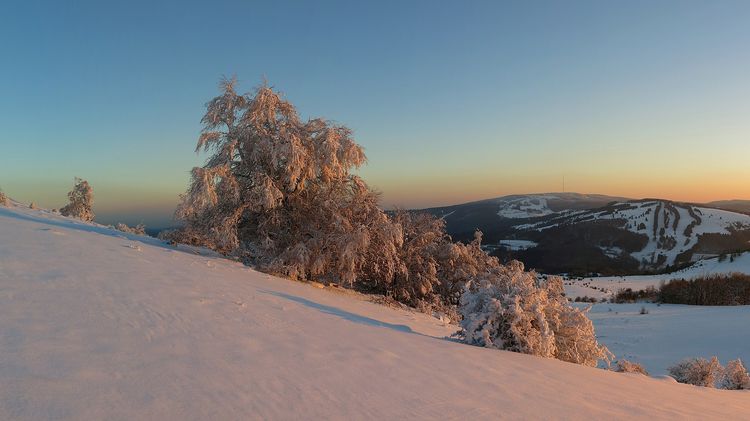
The geographer and regional scientist Ingo Mose sees people as part of nature. Here he explains why we humans want to protect nature and why biosphere reserves are designed as model areas for sustainable development.
"For me, nature is everything that surrounds us and was not created by humans. That includes both animate and inanimate nature. When I discuss this with students, the question often comes up: Is nature something that confronts us or something that includes us?
In the past, people often saw nature as an opponent that they wanted to conquer, such as a forest that had to be cleared or a mountain range that had to be crossed. Even today, nature can still appear threatening, for example through heavy thunderstorms, floods or avalanches.
But in all of this, we should actually be focussing on something else: that we live with and from nature. I see us humans as part of nature. We could not exist without nature. When you realise that, it's clear that you have to deal with nature in such a way that it continues to make our own lives possible.
"An important motive of nature conservation is to preserve aesthetically pleasing landscapes"
I'm very involved in the protection of nature, which of course begs the question: what is it that you want to protect? One of the historical roots of nature conservation is the protection of species. Today, however, we know that it is not enough to protect the individual species. You have to look at the entire ecosystem. An important motive for nature conservation is still to preserve aesthetically pleasing landscapes,
which allow people to relax or which inspire them. And we protect nature to enable people to enjoy leisure and recreation.
We scientists are also involved in nature conservation in our own interests. This often involves the question: What interactions exist between humans and nature? Biosphere reserves offer ideal conditions for this. These protected areas are designed as model areas for sustainable development. The aim is to investigate what many people are concerned about in nature conservation today: how can people live in such a way that they use resources sustainably and open up the same opportunities for future generations as they would like for themselves?
Ultimately, nature conservation is part of the wider protection of the environment and resources, which requires that soil, water and air are also preserved for future generations. These universal goals also apply beyond the boundaries of protected areas. We need to ensure that we translate what we learn in protected areas into sustainable action at the level of society as a whole. If we succeed, we will have gained a lot."