
What is man's relationship to nature
What is man's relationship to nature
Historian Nikolaus Buschmann researches the history of sustainability. Here he explains where the concept comes from and why nature today is also a symbol of the longing for originality.
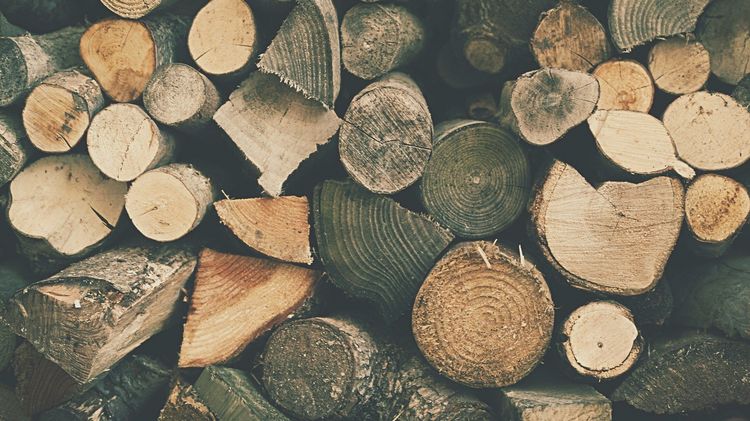
"I'm looking at how the concept of 'sustainability' has developed historically. This is also linked to the question of how people define and behave towards nature. The term sustainability first appeared at the beginning of the 18th century, back then in relation to forestry. Wood was becoming scarce due to haphazard logging and clearing, and people were looking for solutions to manage the forests more efficiently - more sustainably. Here, the term sustainability has a clear economic dimension.
At the same time, an instrumental relationship with nature is evident: the wood from the trees was used for economic expansion, for example in mining or for ships. This understanding of nature was typical of modernity: in the course of the Enlightenment, the distinction between subject and object became established in philosophy, with nature being assigned to the object side. On the one hand, modern natural sciences developed on this basis, seeking to understand nature as an object in terms of its processes and laws.
On the other hand, this categorisation legitimised the use of nature by humans for their own purposes. Today, we understand sustainability in a different way: it is about questioning the growth paradigm of the economy itself and harmonising ecological, economic and social concerns with one another. Nevertheless, in practice, our relationship with nature continues to be characterised by our economic use of it.
Of course, there have always been counter-movements: In the Romantic period, concepts emerged that reacted very critically to the instrumentalisation of nature - this is where the roots of later nature and landscape conservation lie, as well as the reinterpretation of nature as "home". The Renaissance had previously discovered nature from an aesthetic perspective, as a landscape.
Today, nature is not least a concept of value, a kind of symbol for the longing for originality, for wholeness, for a past that probably never existed; an alternative concept to an everyday life characterised by technology and economisation. This has turned into a cultural movement that can be found primarily in the urban middle class - and which is sometimes paradoxical and contradictory in itself: people who shop in organic shops and suffer from flight shame often have a very large carbon footprint. The longing for nature is a good sell - sustainability, ecology and nature have also become a kind of commodity today."