Institute for Chemistry and Biology of the Marine Environment


Memberships

Institute for Chemistry and Biology of the Marine Environment
Decoding the Ocean: From Molecules to Ecosystems to People
We advance understanding of marine systems in Northern Germany and across the globe through innovative and interdisciplinary research that yields insights that span across molecular mechanisms to global processes. By integrating cutting-edge technology with theory from a broad range of disciplines, we reveal how marine systems, including life they support, respond to and shape our changing planet. Through research-based teaching and learning, we train the next generation of scientists to think critically and creatively about the ocean’s role in Earth’s future. Our work bridges laboratory discovery with field observation to inform sustainable ocean stewardship and climate resilience.
Tools / Technologies / Questions:
Our research harnesses state-of-the-art analytical capabilities including ultra-high-resolution mass spectrometry for molecular fingerprinting and trace metal analyses, integrated 'omics approaches for microbial community analysis, autonomous sensor networks for real-time ocean observation, advanced computational modeling for predicting system responses, and cutting-edge experimental platforms such as Planktotrons for controlled ecosystem experiments. From tracking dissolved organic matter transformations in coastal sediments to monitoring Antarctic krill populations, from cultivating uncultured marine microbes to forecasting coral reef resilience, we address fundamental questions about ocean biogeochemical cycles, biodiversity patterns, ecosystem functioning, and climate feedbacks. The ICBM's wide range of technological capabilities allows its scientists to work seamlessly across environments and go from intertidal zones to the deep sea and polar waters to tropical reefs to provide critical insights for understanding marine systems in the Anthropocene.
News

When and where do mangroves grow?
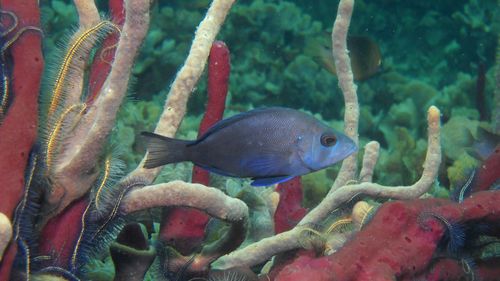
DNA analysis sheds new light on the gill microbiome of coral reef fish
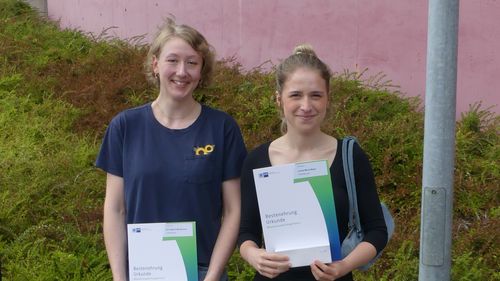
Outstanding completion of her training as a chemical laboratory technician
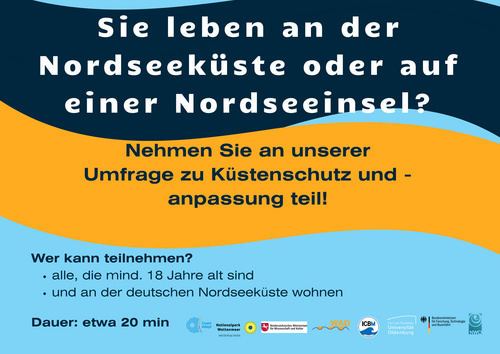
Survey on coastal protection and coastal adaptation
Events
ICBM Marine Science Seminar
ICBM Marine Science Seminar
ICBM Marine Science Seminar
ICBM Marine Science Seminar
ICBM Marine Science Seminar
ICBM Marine Science Seminar
ICBM Marine Science Seminar
ICBM Marine Science Seminar
ICBM Marine Science Seminar
ICBM Marine Science Seminar
ICBM Marine Science Seminar
ICBM Marine Science Seminar
ICBM Marine Science Seminar
News from DAM
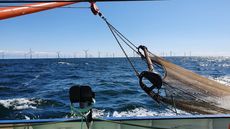
Pilot missions of the DAM to study impact of bottom trawling on marine protected areas in the North Sea and Baltic Sea
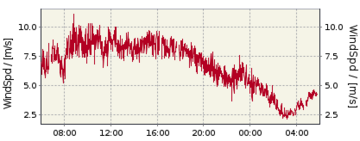
ICBM Time Series Station