Contact

Press & Communication

+49 (0) 441 798-5446

Vita

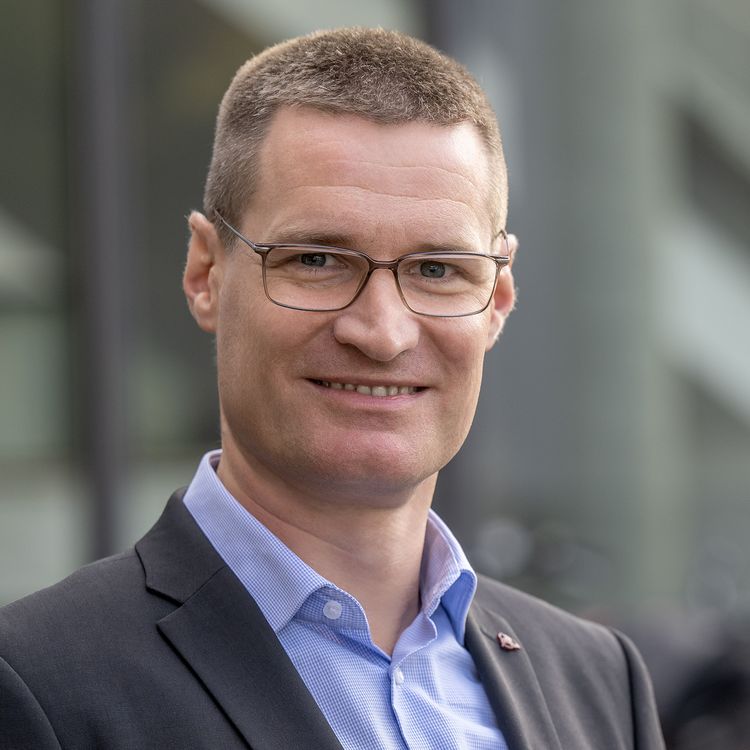
Dr Mark-Oliver Carl has been appointed Professor of Didactics of German Literature including Media Didactics at the Institute for German Studies. Before joining the University of Oldenburg, he was a research associate at the University of Cologne’s Institute for German Language and Literature II. Carl studied German and English language and literature at the Universities of Kassel and Manchester (UK). He earned his doctorate in Kassel in 2007 with a dissertation on intertextuality in the works of GDR author Ulrich Plenzdorf. In 2009, he qualified as a secondary school (Gymnasium) teacher for schools in Berlin after completing the second state examination. He then taught literature didactics in various posts at the Universities of Potsdam, Frankfurt am Main and Cologne, as well as at the University of Education Weingarten. He completed his habilitation in Cologne in 2022 and qualified to teach German literature and its didactics at university level. In his research, Carl uses empirical methods to investigate how school pupils interpret literature, acquire cultural knowledge and learn to access the deeper meaning of literary texts. He is particularly interested in the didactics of serial and dystopian narratives.

  • Daniel Schmidt / University of Oldenburg

Mark-Oliver Carl

Didactics of German Literature including Media Didactics

Teaching the joys of reading

Dr Mark-Oliver Carl has been appointed to the professorship of “Didactics of German Literature including Media Didactics” at the Institute for German Studies. The literature education researcher uses empirical methods to investigate how school pupils access the meaning of literary texts.

Welcome to the University of Oldenburg! What brought you here?

The University of Oldenburg has been known for many years as a centre of empirical research in literature education, so when the professorship was advertised, I didn't hesitate for long.

What does your research focus on?

I’m investigating how students approach literary texts – what they think of when they read them, what they expect from them, what knowledge they use. I’m currently planning a joint empirical study with Swiss partners from the St. Gallen University of Education: we’re trying to understand why some learners read literary texts without engaging their own powers of imagination or judgement, without identification, emotion or empathy, as if it were just a matter of taking in factual information. If we can gain a better understanding of the causes of this phenomenon, we can give teachers more precise guidance about how to expand the repertoire of such pupils more effectively, so that they come to enjoy reading, participate in the creation of cultural meaning and broaden their horizons.

What do you like about your subject?

Our students genuinely expect literary didactics to help them – that's motivating! In addition, as an empirical science we are still a young discipline that is developing rapidly – there are lots of exciting things going on. Last but not least: if you work with literature, you know that when you’re sitting on a train reading a good book, you're actually doing your job.

What are your plans for your first few months at our university?

First of all, I want to gain a better understanding of how our institute works. I also want to get to know the people who research and teach here better so that we can function well as a team.

Who or what made a big impression on you during your studies?

My stay at the University of Manchester, where we all had to read a lot more in much smaller seminars than here in Germany. From the somewhat different perspective of international German studies, I finally saw a lot more extraordinary and surprising things about German literature.

Your advice for surviving on campus?

Stick to the people who know their way around here. And always have a reusable cup at hand for your next cup of tea.
This might also be of interest to you:

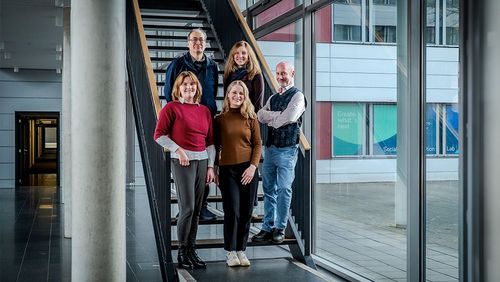
Five people are standing on a staircase.
Anna Tenge / University of Oldenburg
Research Top News German Studies

How threatened is the Sater Frisian language?

A research team from the Institute for German Studies is investigating family groups that speak Sater Frisian in everyday life as part of a new DFG…

more: How threatened is the Sater Frisian language?
The picture shows the above-mentioned people standing on a staircase. They are all smiling at the camera and the three candidates are holding their certificates in their hands.
Katrin Konen-Witzel
Campus Life Teacher Education German Studies

Low German teachers successfully tested

The introduction of Low German as a teaching subject is progressing. Three teachers were the first to successfully complete a certificate examination…

more: Low German teachers successfully tested
University of Oldenburg / Daniel Schmidt
Campus Life German Studies

More than just a "Klöönkring"

The Low German Forum aims to make the regional language more visible in the cultural life of the university - all interested parties are invited to…

more: More than just a "Klöönkring"
(Changed: 27 Apr 2026)  Kurz-URL:Shortlink: https://uol.de/p82n8635en
Zum Seitananfang scrollen Scroll to the top of the page

This page contains automatically translated content.