Excellence strategy
Excellence strategy
The University of Oldenburg conducts cutting-edge research at the highest national and international level. The university has been home to three clusters of excellence since January 2026: Hearing4all.connects (in collaboration with the Leibniz University Hannover and Hannover Medical School), Ocean Floor (in collaboration with the University of Bremen) and NaviSense. The universities of Oldenburg and Bremen, the latter of which is also home to the Cluster of Excellence Mars Perspective, are now joining forces as the Northwest Alliance to apply for funding, pooling their excellence in research, teaching and knowledge transfer.
The Lower Saxony Ministry of Science and the VolkswagenStiftung support the state's universities in their application for funding under the Excellence Strategy: the University of Oldenburg has so far received a total of around 8 million euros from the zukunft.niedersachsen programme for its preparations. In addition, the programme will support the three clusters with around 18 million euros from 2026 to 2032.
Latest news about the consortium
We Are Connected – Research Data Infrastructure
more: We Are Connected – Research Data InfrastructureWe Are Connected – surgery meets computer science
more: We Are Connected – surgery meets computer scienceWe Are Connected – Wind Energy Research
more: We Are Connected – Wind Energy ResearchWe Are Connected – International Office
more: We Are Connected – International OfficeWe Are Connected - historically informed resistance research
more: We Are Connected - historically informed resistance researchBoosting Computer-Aided Research on Quantum Materials
more: Boosting Computer-Aided Research on Quantum MaterialsWe are connected – Nursing Science and Medical Technology
more: We are connected – Nursing Science and Medical TechnologyRalph Bruder Re-elected as University President
more: Ralph Bruder Re-elected as University PresidentThe scientists of the Hearing4all Cluster of Excellence and other research groups specialised in hearing research at the university are all pursuing a common goal: they develop innovative solutions for people with impaired hearing and thus improve their quality of life in a sustainable way. The aim is to improve the prediction, diagnosis and treatment of hearing loss. The team has achieved significant results over the course of two previous funding periods since 2012. Now, under the new guiding theme "Hearing4all.connects", the consortium of the University of Oldenburg, the Hannover Medical School, and Leibniz University Hannover will expand to include additional disciplines, enabling an even more comprehensive investigation of hearing loss.

News from the field of hearing research
Researching with People, Not About Them

"We don't hear on our own."

"I can have the best of both worlds"
How bilingualism influences listening comprehension

Making sure poor hearing doesn't lead to poor grades

"Setting a good example"
"I didn't stand a chance with Beethoven"

Research goal: good hearing for longer

Why listening is so difficult
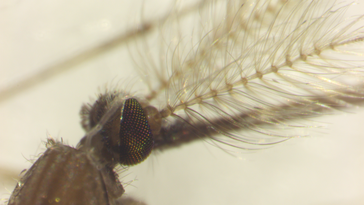
Study finds that mosquito hearing could be targeted by insecticides
Hearing by numbers
On hearing and noise
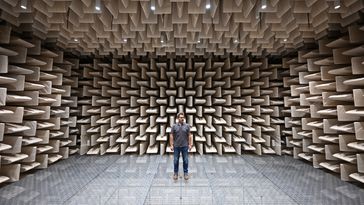
A room without echoes
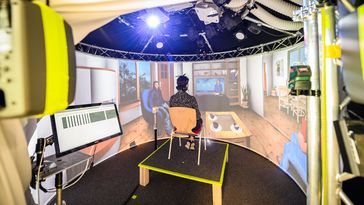
Another success for Oldenburg's hearing research

Better hearing through automatic speech recognition?
Tracking down speech signals
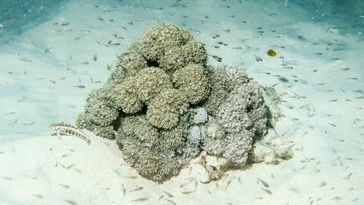
The complex interactions between organisms and their environment are the focus of biodiversity and marine research at the university. A key question is how global environmental changes caused by humans affect the diversity of life and the function of ecosystems. Researchers from Oldenburg have been involved in the Cluster of Excellence Ocean Floor at the University of Bremen. From 2026, both universities will be equal partners. The aim is to further advance our understanding of the role of the ocean floor in biogeochemical cylces and for biodiversity under changing climatic conditions. With its research, the Cluster will contribute to a scientific basis for the protection and sustainable use of the oceans.

News from the field of marine research
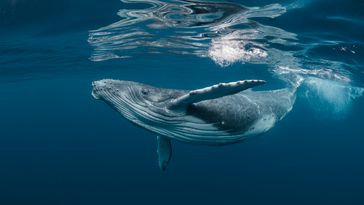
Marine Conservation on the High Seas
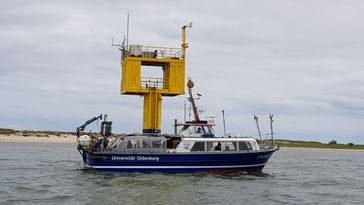
Oldenburg marine research on a joint mission

Iron’s Irony
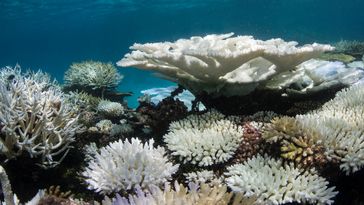
Buying time for threatened coral reefs
Why so many microbes fail to grow in the lab

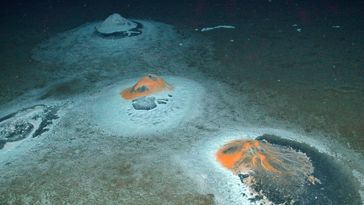
New study on natural oil seeps in the deep sea
Sinikka Lennartz awarded Heinz Maier-Leibnitz Prize
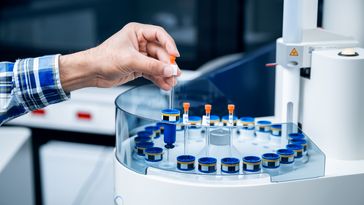
The molecular puzzle
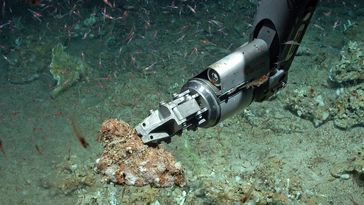
The Ocean Floor: A deep dive
An Ocean of Molecules
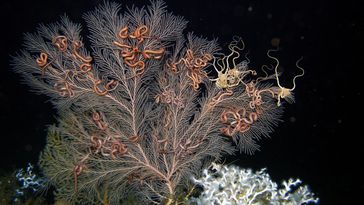
Deep-sea corals are home to previously unknown bacteria

"Completely new worlds"
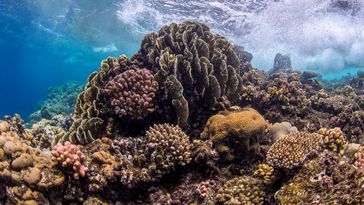
New concept for the protection of marine biodiversity
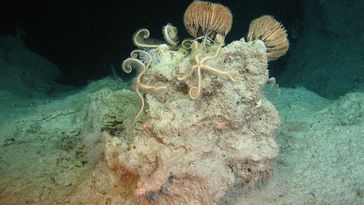
"One feels like a true explorer"
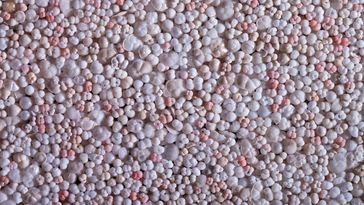
Biodiversity: A tale of change
No two worms are alike
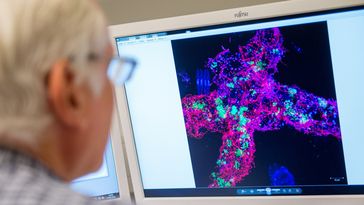
The ocean microbiome
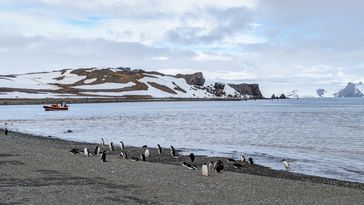
Climate research at the far end of the world
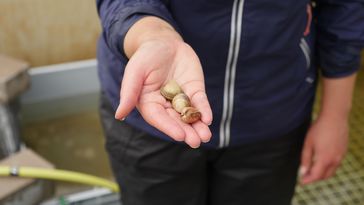
Mudflat dwellers under heat stress
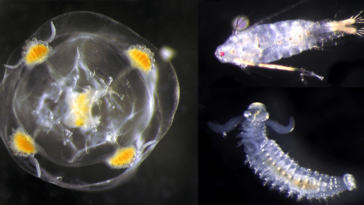
Traces of diversity
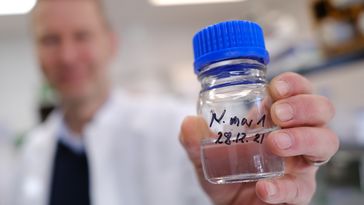
Microbes produce oxygen in the dark
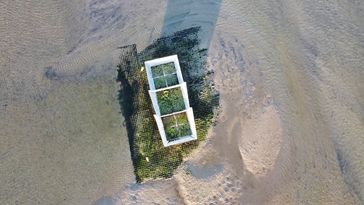
Of islands and species communities
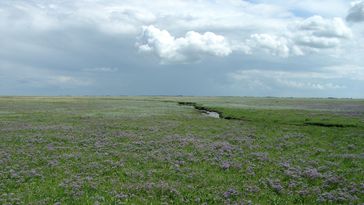
Coastal ecosystems as carbon storage?
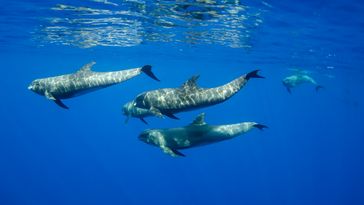
"Marine organisms don't respect boundaries"
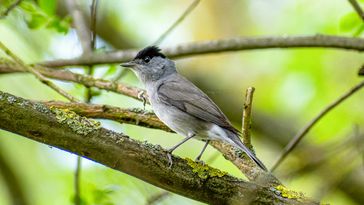
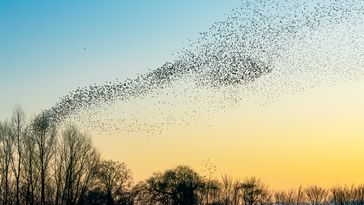
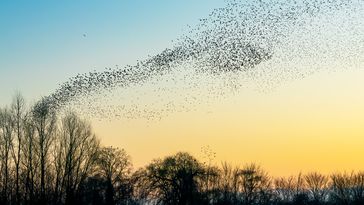
The scientific goal of NaviSense is to gain a deep, interdisciplinary understanding of the senses, mechanisms and behaviours that animals use to navigate. The team also wants to find out how these mechanisms can inspire new technologies and how they can be used for the benefit of society, the environment and biodiversity. Each year, billions of animals travel long distances on migratory journeys, playing an important role in numerous ecosystems. The researchers investigate the physical, biochemical and physiological basis of animal navigation. As the magnetic sense of birds is presumably based on a quantum effect, quantum mechanical phenomena are also in the focus.

News from research into animal navigation
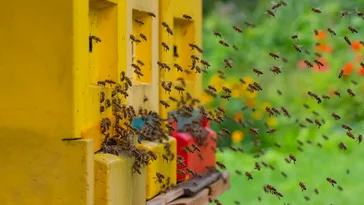
Inspired by honeybees
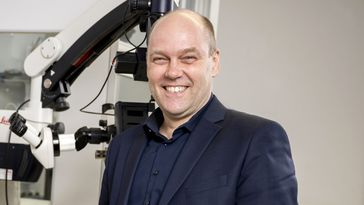
From chance to insight

Electromagnetic noise disrupts soprano pipistrelle bats' orientation

Recommendation for new research building NaviGate
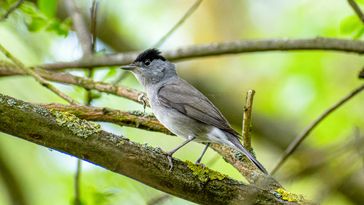
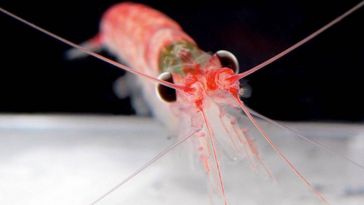
Tracking tiny crustaceans on their long journey
How light pollution disrupts orientation in moths

How fruit bats navigate in the wild
Moths use stars and Earth’s magnetic field as a compass

Watching electron motion in solids

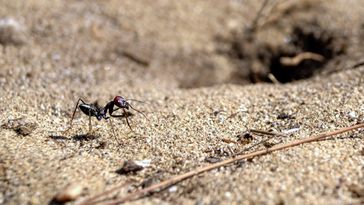
Desert ants use the polarity of the geomagnetic field for navigation
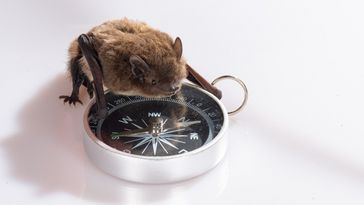
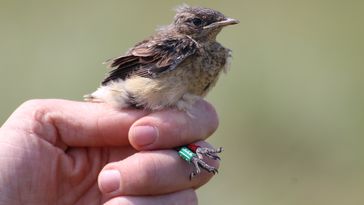

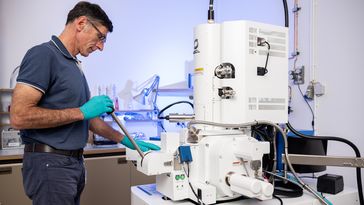
A whole new world of experimental possibilities
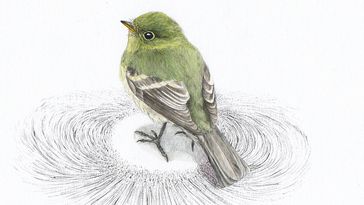
How evolution has optimised the magnetic sensor in birds
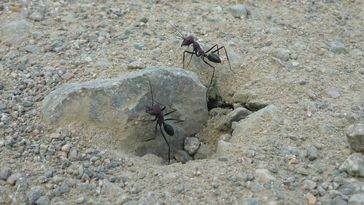
A biologist with a predilection for philosophy
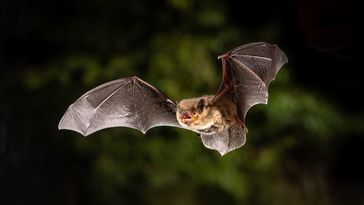
Migratory bats can detect the Earth’s magnetic field
A delicate compass
The sixth sense
Navigation without sextant or GPS