

Israel, Haifa: University of Haifa
Exchange programme: when to apply?
Applications for the exchange programme for a stay abroad in Non-EU countries (exception: North America) in the following year are due in May/June.
For the current call for applications please visit our website or check out our Study abroad newsletter.
Israel, Haifa: University of Haifa
-

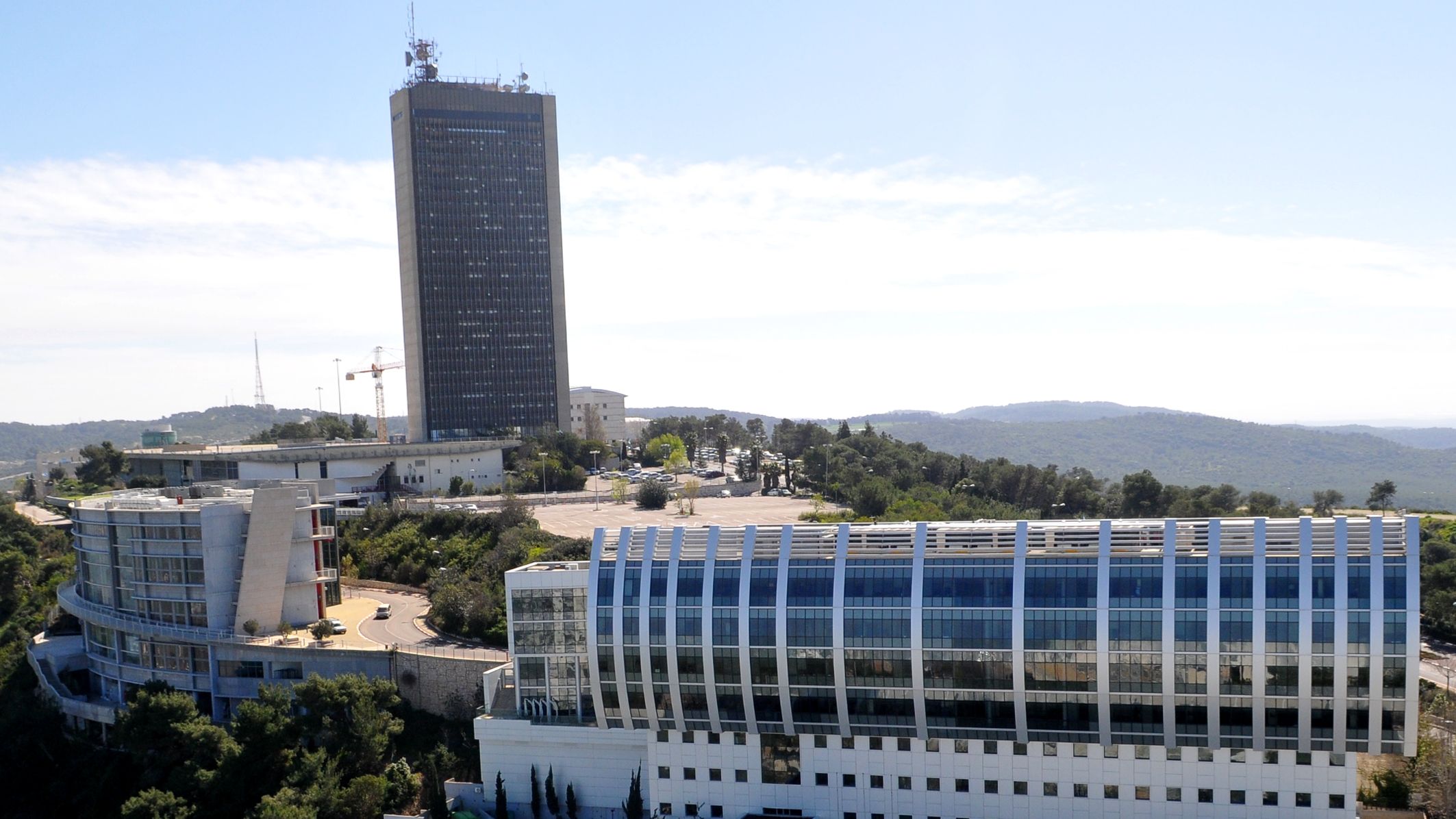
University of Haifa Zvi Roger/Haifa Municipality (Wikimedia) -

View of the University of Haifa Loopstation/Wikimedia -

Students University of Haifa Hanay/Wikimedia

Application
Students of all disciplines at Bachelor's and Master's level (at least 3rd Bachelor's semester) can apply. The programme is held in English (= official language) and Hebrew. The exchange programme focuses on theology, but students of other subjects can also apply for an exchange. Proof of language skills in English is therefore required. Proof of Hebrew is not necessary, but existing knowledge of Hebrew is an advantage. The academic calendar of the University of Haifa in Israel generally follows the national university calendar, starting in October and ending in June of the following year. The academic year is divided into two semesters: The first semester begins in October and ends in January, while the second semester begins in February and ends in June. There is usually a longer break between semesters, called the "winter break", which normally takes place in the second half of January. There are also shorter breaks during the academic year, such as a break for the Jewish holidays.
Study
The University of Haifa is a public university in Haifa, Israel. It was founded in 1963 and is one of the leading research universities in the country. It offers a wide range of degree programmes in various disciplines, including Humanities, Social Sciences, Natural Sciences, Engineering, Economics, Law and Health Sciences. It also has several research institutes and centres that deal with important topics such as peace and conflict research, environmental studies, Holocaust research and Mediterranean studies.
The University of Haifa is located on a picturesque campus on Mount Carmel, providing students with an inspiring environment for learning and research. The campus has modern facilities, including libraries, laboratories, sports facilities and student residences.
Everyday life
Life in Haifa offers students a unique blend of academic excellence, cultural diversity and breathtaking scenery. Haifa is the third largest city in Israel and is home to several renowned universities and colleges. Haifa is a city with a rich cultural scene. You can regularly attend concerts, theatre performances, art exhibitions and film festivals.
The city is also home to the famous Baha'i World Centre, which is an important religious site and is frequented by many visitors from all over the world. Haifa's location on the Mediterranean Sea and at the foot of the Carmel Mountains also offers many leisure opportunities for students. You can enjoy the beaches, practise water sports or go hiking in the picturesque surroundings. The Bahá'í Garden, which stretches up the mountain, is also a popular destination for walks and offers impressive views of the city.
As far as accommodation is concerned, there are various options in Haifa. Many students prefer to live in shared flats or halls of residence, which offer a good opportunity to socialise with other students and make new friends. Rental prices can vary depending on the location and size of the accommodation, but are often more affordable compared to other Israeli cities.
The cost of food can vary greatly depending on whether you shop in supermarkets or local markets. It is often cheaper to buy fresh produce at markets. The average monthly price of food for one person is around EUR 200.
Haifa also has a well-developed public transport system, including buses and trains. The cost of public transport is relatively affordable. A monthly ticket for local transport costs around EUR 50.
Formalities & interesting facts
If you want to study in Israel as a German student, there are a few important things you should bear in mind. To study in Israel, you need a student visa. You can usually apply for a student visa online via the embassy and must submit a number of documents, such as proof of your academic qualifications, confirmation of acceptance at the university, proof of sufficient funds and a health check. The nearest Embassy of Israel is located in Berlin and should be contacted with sufficient time in advance for visa questions. Please note: Travel documents must be valid beyond the end of your journey.
Transferring relevant credits for your studies in Germany is easy via the Academic Examinations Office of the University of Oldenburg. Information on credit transfer for studying in Oldenburg