
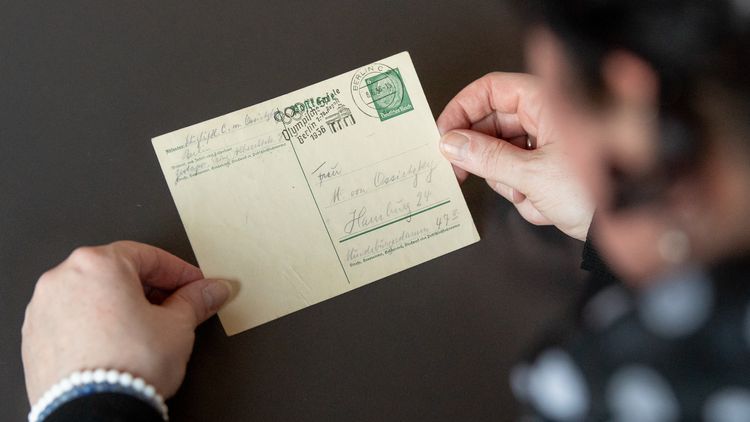


The library has bought a previously unknown postcard by Carl von Ossietzky at auction. It will be on display in the permanent exhibition until the end of May.
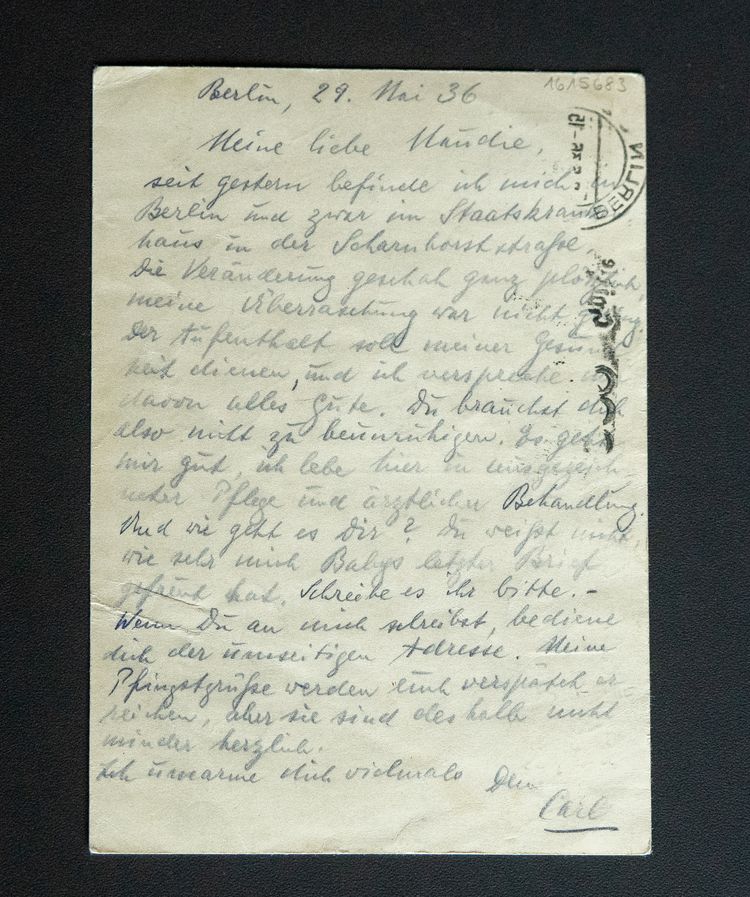
There are only a few lines in pale ink on a yellowed card. "My dear Maudie," wrote Carl von Ossietzky to his wife on 29 May 1936, "I have been in Berlin since yesterday, in the state hospital in Scharnhorststrasse." He reassures his wife that he is doing well, that his stay is for his health and that he is receiving excellent care. "I hug you very much, your Carl," the short text ends.
Ossietzky wrote the postcard the day after his release from the Esterwegen concentration camp in Emsland; it may have been the first sign of life after five months. The valuable piece has recently come into the possession of the university, and from yesterday it will be on display for three months in a special showcase in the permanent exhibition of the Ossietzky University Library.
One postcard a week
The library bought the card at an auction in Düsseldorf last year. "It's been over 15 years since we were able to add an original by Ossietzky to our collection. I actually thought there was nothing left," says historian Alexandra Otten, curator of the permanent exhibition. The university has held Ossietzky's estate since 1981, including around three dozen postcards and letters that the publicist wrote to his family during his imprisonment. "The prisoners were allowed to write and receive one card a week," reports Otten. On the front, in addition to the addresses, there were usually also the camp rules, and on the back there was space for a short message.
Otten is surprised that documents from Ossietzky are still in circulation. "Several cards must have ended up with private collectors and second-hand bookshops in various ways," she reports. She discovered that three other postcards had been offered for sale in recent years. In this case, she quickly recognised the opportunity and the library management decided to bid at the auction.
The document now acquired with the message from the Berlin hospital is particularly interesting for research: "Until now, it was not clear exactly when Ossietzky was transferred to Berlin," reports Otten. The postcard also provides an insight into the state of mind of the later Nobel Peace Prize winner after the surprising end of his imprisonment, says Otten: "Above all, his words express his joy and relief at having escaped torture in the concentration camp."