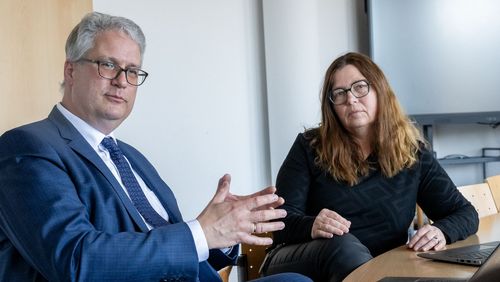



The University of Oldenburg is currently taking part in the Diversity Audit organised by the Stifterverband für die Deutsche Wissenschaft. The aim is to promote diversity and equal opportunities even more strongly than before, says Vice President Annett Thiele in an interview.
Ms Thiele, diversity is a term that is currently being talked about a lot. What do you mean by it?
Diversity means the variety of personalities and circumstances at an institution such as a university. This diversity includes, for example, migration backgrounds, disabilities, gender identities and different social backgrounds. These social dimensions enrich the community, sometimes require a certain amount of support, but above all they require structures to be changed in such a way that equal opportunities for participation are created.
How diverse is the University of Oldenburg?
The university is characterised by great social diversity. We have around 2,500 employees and 16,000 students, including, for example, more than 1,000 international students and many with professional experience. Each person brings their own history, personal experiences and perspectives to the table. People from different backgrounds come together in lectures, laboratories, seminars and offices - people of different ages, genders, nationalities and educational backgrounds. We want to focus on this diversity in order to counteract social inequalities in everyday study and work life, for example.
What role does the diversity audit play in this?
I expect two fundamental things from the Stifterverband's diversity audit: firstly, greater awareness of the issue of diversity at the university. Secondly, I expect the audit to initiate structural changes to promote diversity in the long term and counteract disadvantages.
How does the audit work?
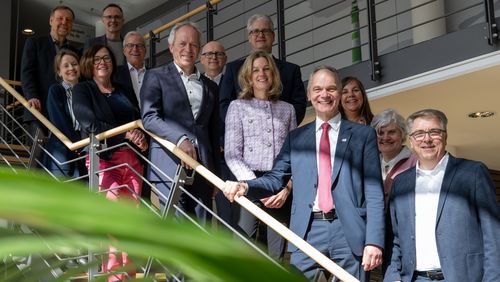
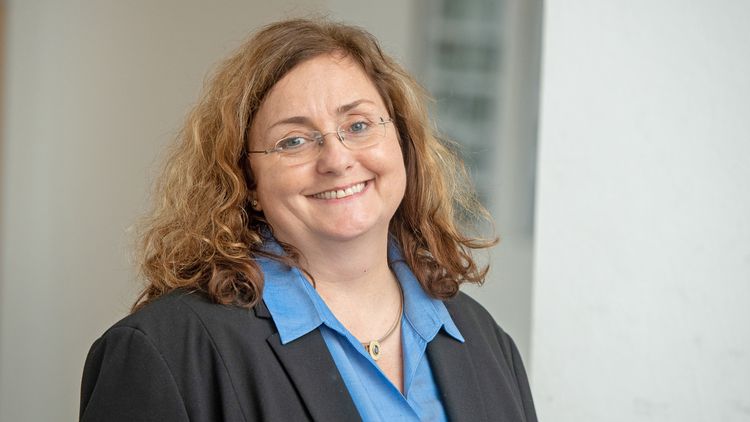
The audit kicked off in October with a forum organised by the Stifterverband, where the auditor for the University of Oldenburg was selected. Our auditor, Dr Daniela de Ridder, is very experienced and has already accompanied 21 auditing processes. At this first meeting, we also got to know other universities and universities of applied sciences and their topics, which was very interesting. In February, we want to set initial priorities together with Daniela de Ridder in order to develop a diversity strategy geared towards the needs of the University of Oldenburg. A kick-off event will then take place in mid-March. University members from different status groups as well as experts from the various diversity areas will take part, such as the Disability Officer, Equal Opportunities Officer and members of the Staff Council. Everyone then works together to define diversity goals, develop the strategy and derive specific measures. Finally, project groups are formed to continue working on the individual topics. The diversity strategy is due to be adopted in mid-2022.
Why is it important for a university like the University of Oldenburg to promote diversity?
It is a prerequisite for enabling students and employees to realise their potential and for initiating thought processes that go beyond established paths. We can only guarantee ideal conditions for teaching, learning and working if we succeed in taking the needs of as many university members as possible into account, enabling comprehensive participation and creating a culture of respect and acceptance. Of course, we are not at the very beginning: the university has already taken many steps in this direction in recent years and decades.
Do you have an example of this?
In the area of service and counselling, we have a broad range of experience that addresses different dimensions of diversity and different status groups. For example, there are the central and decentralised Departmental Gender Equality Officers, the Family Service, the Representative for Employees with Disabilities, corresponding representatives of the Asta and the International Student Office, the conTakt advice centre for issues relating to sexualised discrimination and violence, there are student university groups and, of course, the Staff Council. The university has also recently appointed an Inclusion Officer. I see it as an important task to network these parties better in future so that additional synergies can be created.
Are there any further developments that the audit can build on?
Diversity has been anchored as a strategic topic in the university development plan since 2016. The central equal opportunities plan from 2020 - which is very recent - also supports the development of a university-wide diversity strategy. Our mission statement for teaching from 2019 also welcomes the diversity of the university's members, from the student body to external guests. All of this forms a good basis for the future.