B.A. Material Culture: Textiles
B.A. Material Culture: Textiles
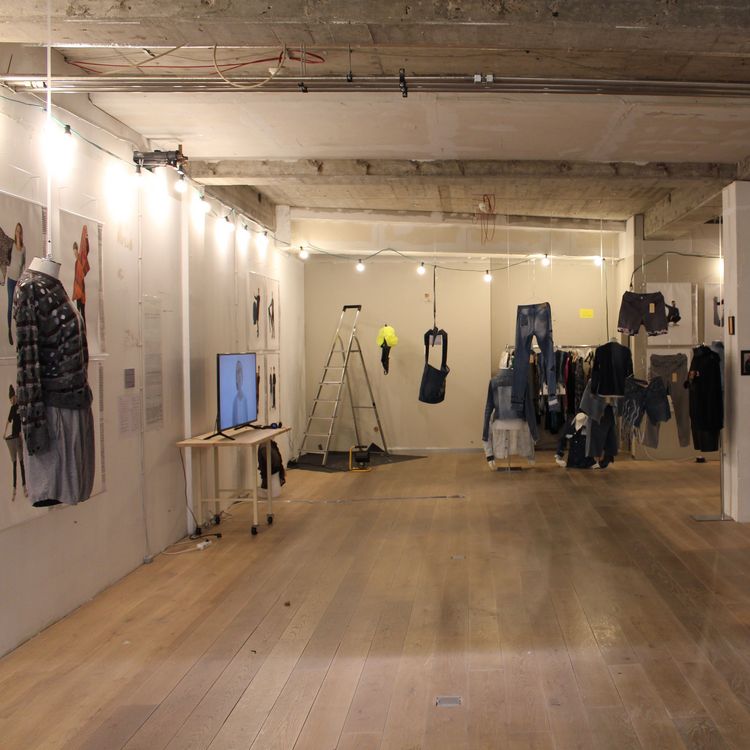
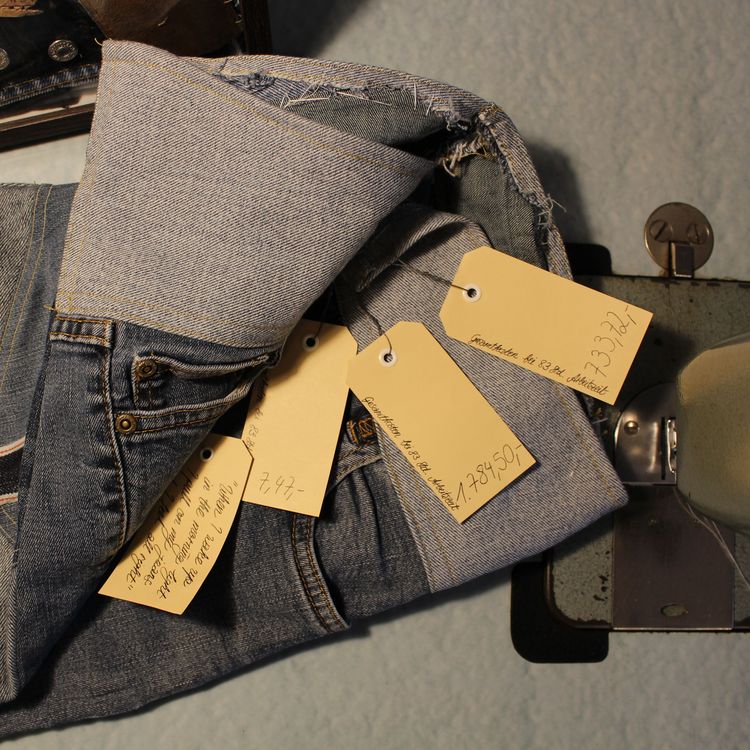
"Material Culture: Textiles" is a degree programme in cultural studies. It focusses on everyday objects, their composition and design, their history, current uses and diverse meanings from different perspectives.
The Oldenburg profile is characterised by the fact that approaches from (European) ethnology / cultural anthropology and cultural mediation are enriched by artistic-scientific as well as scientific-technical approaches.
The aim is to learn to analyse, communicate and help shape the cultural orders and dynamics of modern societies through their objects, their "objectification".
One focus of the degree programme in Oldenburg is on textiles, in particular clothing, in the field of tension between material culture, the body, media, design and sustainability.
After the first year of study, the curriculum is designed for freedom of choice so that you can choose your own specialisation.
No, we are not a "manual labour subject" - you must be willing and able to work academically and enjoy theory and history. But we also emphasise theory-practice projects: Mediation practice, artistic practice, experimentation in workshops and laboratories.
The degree programme enables you to enter various professional fields and prepares you for Master's degree programmes in cultural studies, cultural mediation or cultural management, textiles and fashion as well as for the teaching profession with the school subject "Textile Design" in primary, secondary and intermediate schools as well as special education.
Programme structure
The degree programme is designed as a full-time course, but can also be completed (in phases or in full) as a part-time study programme.
The two-subject Bachelor's degree programme can be studied either with a non-school career goal or a school career goal.
MK:T can be studied in several variants in the two-subject Bachelor's programme:
- as a first or second subject with 60 credit points (CP) each combined with a 60 CP subject.
- as a first or second subject with 60 CP each with a teaching specialisation in primary and lower secondary school or secondary modern school.
- as a first subject with 90 CP combined with a 30 CP subject.
- as a second subject with 30 CP combined with a 90 CP subject, e.g. special education.
Over the course of the six-semester Bachelor's degree programme, you will acquire a total of 180 CP, which are divided between the two subjects (120 CP), professionalisation modules (30 CP), internships (15 CP) and the Bachelor's thesis (15 CP).
Students aiming to become teachers of special needs education study special needs education (90 CP), the basic curriculum of their subject (30 CP) and largely compulsory teacher-specific professionalisation modules totalling 30 CP.