M.Ed. Textile Design
The Institute is a member of the trade associations:
...textile. Science-Research-Education
and publishes regularly in the trade journals.
Insights into the BA Material Culture programme: Textiles
Slow Fashion learning box in cooperation with the project "One World at School"
Publication on the school internship in the M.Ed. programme
Money cat laundry: Historical foundations of teaching in Oldenburg
M.Ed. Textile Design
Teaching "Textile design"
The "Textile Design" teacher training programme qualifies students to teach at primary, secondary and intermediate schools. The Master of Education "Textile Design" is a degree programme with a cultural studies focus, as is the associated Bachelor's degree programme "Material Culture: Textiles".
The two-year Master's degree programme is structured according to the Lower Saxony GHR 300 programme for primary, secondary and intermediate schools. It builds consecutively on the two-subject Bachelor's degree programme. It is also possible to study the four-semester Master of Education in Special Needs Education(→ to Master's degree).
"Textile Design" is a multi-perspective school subject that combines cultural, socio-political and scientific issues with practical elements.
With its reference to real materials, textile teaching has a unique selling point in the age of digitalisation.
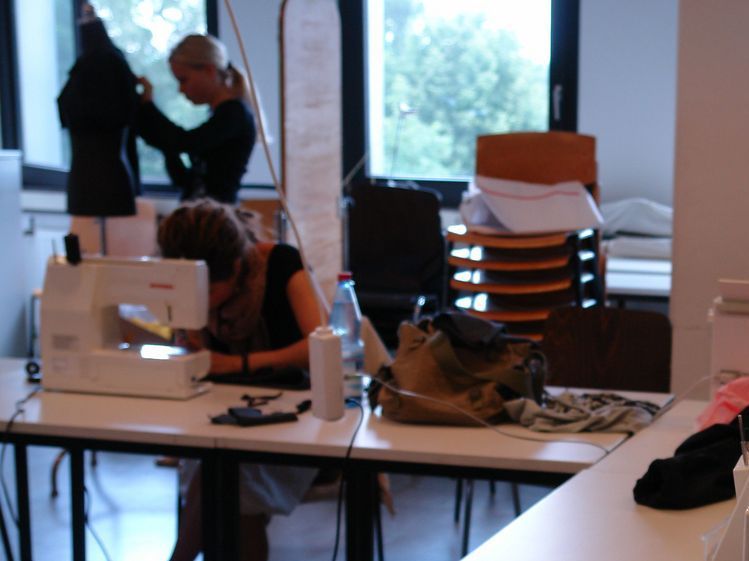
Focus of the study programme
The centrepiece of the Master of Education in Textile Design is an 18-week school internship, which is accompanied, prepared and followed up at the university.
We have chosen the following specialisations for the Master of Education in Textile Design in Oldenburg:
- Theory and history of material culture
- Contemporary strategies and problems of communicating material culture
- Aesthetics: clothing, body, fashions
- Textiles and sustainability
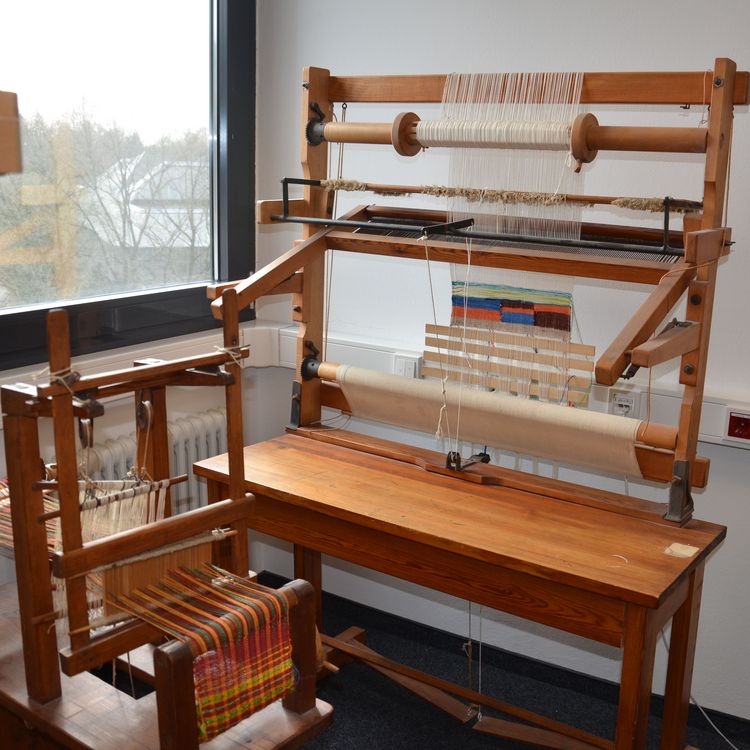
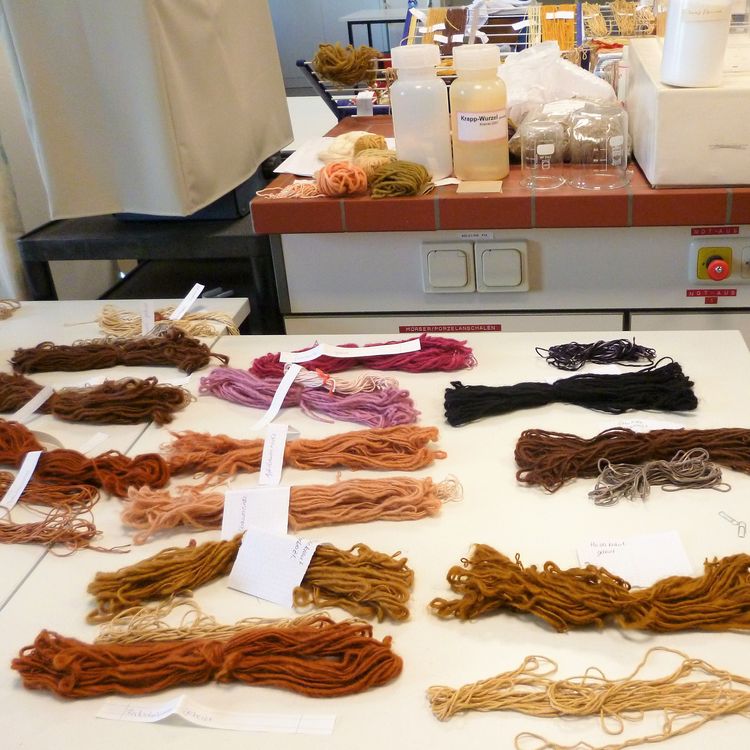
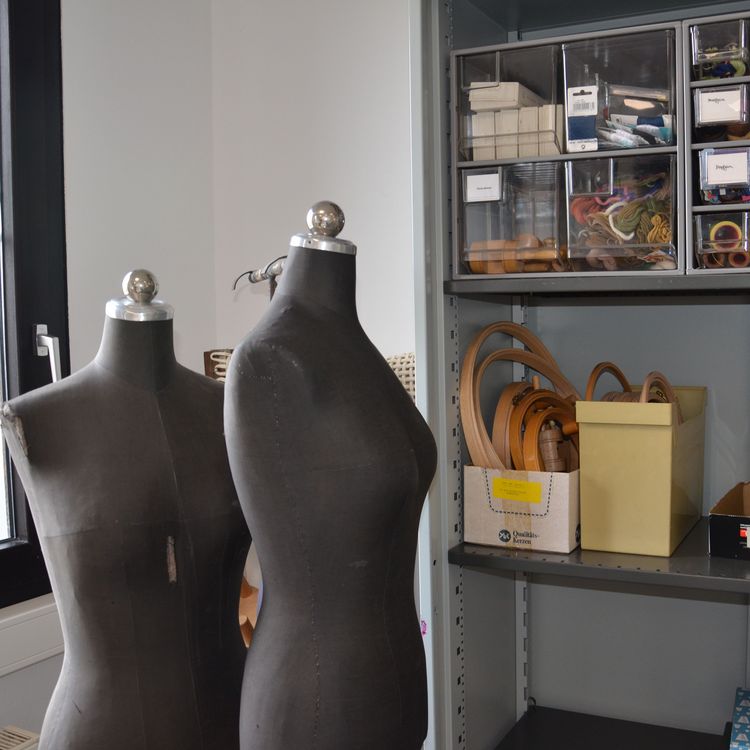
Practical seminars take place both in the workshops and in the Institute's collections.
Teaching at the Institute of Material Culture is structured by research-based learning. The methods used include ethnographic field research and artistic-aesthetic research. Teaching is directly linked to research through the Material Literacy workshop series and the publication series Communicating Studies in Material Culture.
Prerequisites
Admission requirements for the Master of Education "Textile Design" are the completion of a two-subject Bachelor's degree with a first or second subject "Material Culture: Textiles" or a comparable teaching-orientated Bachelor's degree in "Textile Science" or "Textile Design". Students should also have the following interests and skills:
- A desire to engage with textiles and clothing in the field of tension in society with a focus on the interests of pupils
- A willingness to experiment and flexibility
- Interest in sustainability issues and questions of sustainable consumption
- Attention to aesthetic and cultural developments
- Experience in working and thinking in cultural studies
- Enjoy developing your own questions and self-organised, project-based teamwork
- Fun and curiosity about working with students
- Good knowledge of English (reading specialised literature)
Programme structure
The four-semester Master of Education programme has a fixed structure that is geared towards an 18-week school internship. The programme is divided into preparatory, accompanying and follow-up seminars for this internship. The practical phases and the accompanying project volume "School or Teaching Research" cannot be flexibilised.
First semester at the university:
Central theory course on concepts of textile didactics and preparatory course for the practical placement as well as the start of the three-semester project "School or teaching research", which accompanies the practical placement.
Second semester at school and university:
The lecturers at the university, a seconded teacher in the practical phase and a teacher at the school accompany the students during an 18-week practical phase. There are accompanying and follow-up events in which the students present and reflect on the findings and experiences from the practical phase.
Third semester at the university:
Evaluation of the internship experiences and reflection on school and teaching research. The project ends and the Master's final colloquium begins.
Fourth semester at the university:
Master's thesis accompanied by the final Master's colloquium.
Equipment
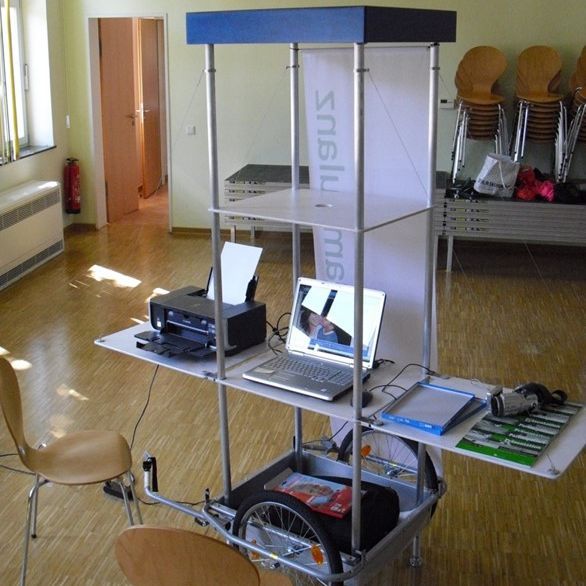
During the practical phase in the third semester, students can use both the theory and practice rooms as well as the Institute's mobile teaching and learning materials.