M.A. Cultural Analyses
M.A. Cultural Analyses
Study cultural analysis
The Master's degree programme "Cultural Analyses" is research-oriented and follows the tradition of cultural and social sciences as well as gender studies. It deals with the materiality and mediality of contemporary cultures and their historical foundation.
The aim of the programme is to recognise interdisciplinary socio-cultural problems, develop questions and work on them independently and scientifically - alone and in a team. The starting point is socially marked, gendered and ethnicised body practices, clothing and worlds of things.
The Master's degree programme is aimed at graduates of cultural and social science degree programmes and gender studies who have a desire to look and think closely and a strong willingness to work transdisciplinarily. They should have no fear of empirical or artistic methods, even if they are new to one or the other, and be open to self-organised and project-based studies.
Focus of the study programme
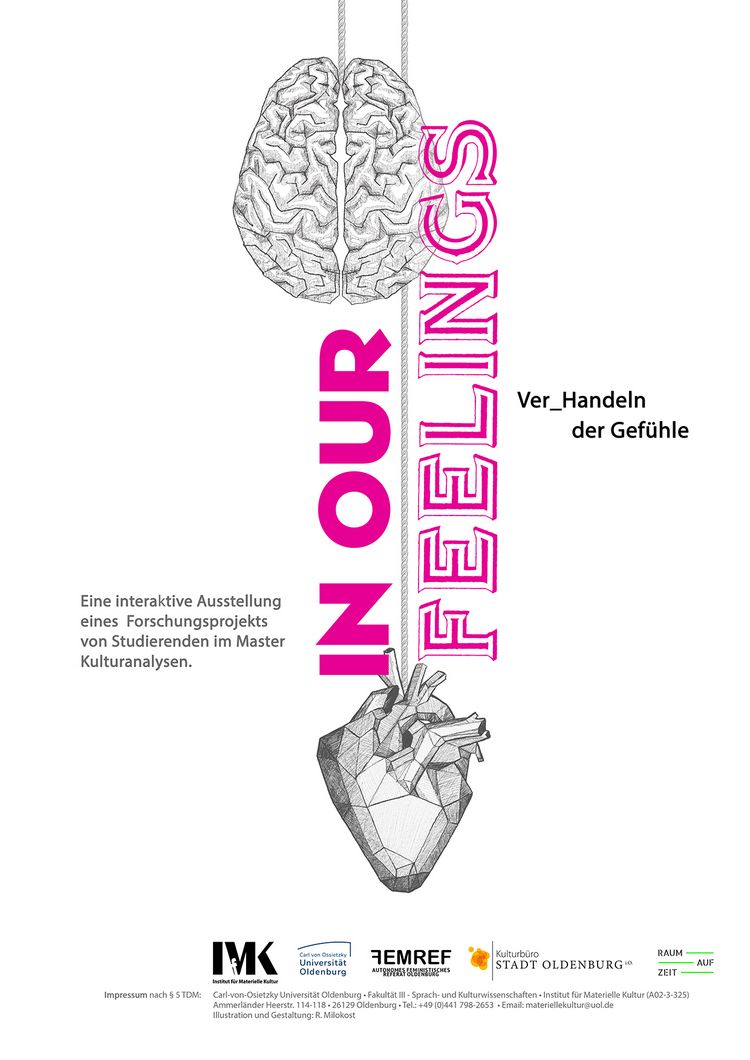
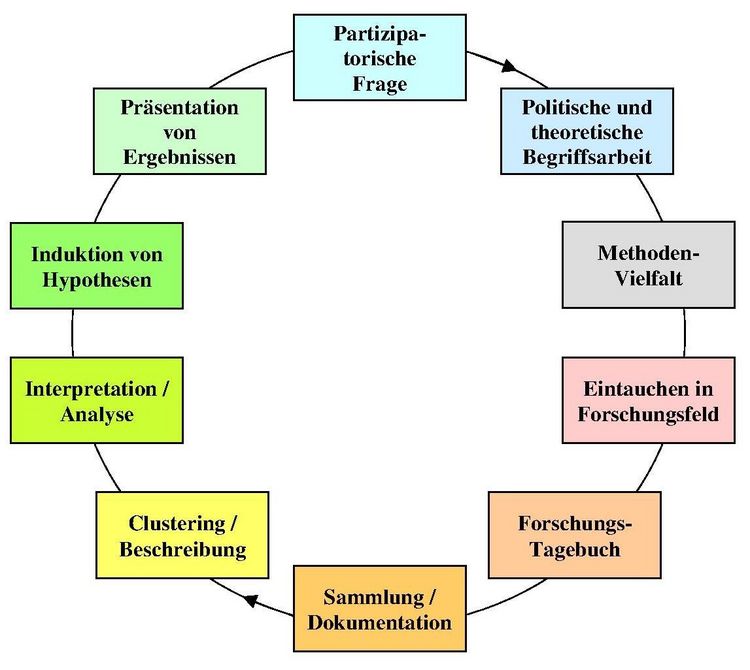
A central core element of the Master's in Cultural Analysis is a two-semester teaching/learning research project in which you will work together with other students on the degree programme in a team on a (inter)disciplinary and conceptual/organisational level. You will carry out your own scientific research and develop a suitable final presentation. You will acquire planning, project and communication skills.
- Learning and practising transdisciplinary thinking
- Dealing with everyday cultural phenomena, focussing on material and visual culture, body images and practices, clothing and lifestyles
- Teaching representation and performativity approaches in cultural analysis
- Linking cultural, political and social analysis
- Interweaving theoretical and empirical methods of cognition
- Research and project orientation
Programme structure
The Master's programme offers you the freedom to pursue your interests against the background of current, transdisciplinary research in cultural studies. Over the course of the four-semester programme, you will earn a total of 120 credit points (CP).
The programme consists of modules such as:
- "Ethnographic methods of cultural analysis"
- "Transdisciplinary Cultural Analysis" with a special focus on body images and body practices, representation, performativity, etc.
- "Exemplary analyses of material culture and its mediation"
- a two-semester project module
- free modules for individual profile development
Prerequisites
- Successful completion of a BA programme or comparable degree
- At least 60 CP in the field of Cultural and Social Sciences or Gender Studies
- High motivation to work in cultural studies
- Enjoy developing your own questions as well as self-organised and project-based work
- Commitment and initiative
- Good knowledge of English (reading of specialised literature)
Academic appointments and fields of activity
The degree programme prepares you for work in a wide range of professional fields, including, for example
Many of the newly emerging academic appointments are based on freelance work, for which the project skills and independence promoted in the degree programme are crucial. The established fields of work traditionally require a further, practice-oriented training stage such as a traineeship or a trainee programme.
Because the Master's degree programme offers a project module alongside in-depth theoretical study, in which basic skills for qualified research and mediation are developed, it also prepares students for a doctorate.
What distinguishes this degree programme?
This is what students say from a survey on the last reaccreditation:
- "Wide range of research topics possible, theoretical foundation included."
- "Education for own research, not for citing literature."
- "Empowerment to develop an individual profile."
- "Openness that strengthens and promotes your own interests and emphasises course-specific skills."
- "If you want to deepen a subject area and others are also interested in it, you can offer events organised by students for students. I haven't experienced that anywhere else."