
Using science-based methods to counteract deforestation in Tanzania and mitigate potential climate risks is the goal of a new project led by Oldenburg ecological economist Prof. Dr. Bernd Siebenhüner.
Titled "Promotion of participation processes for the implementation of Nationally Determined Contributions (NDCs) through nature-based solutions in urban, rural and coastal landscapes in Tanzania", the project was launched on 1 July and will receive over 500,000 euros in funding from the German government's International Climate Initiative (IKI). A key focus of the project is to involve local organizations and communities; the university’s main partner is the non-governmental organization Climate Action Network Tanzania.
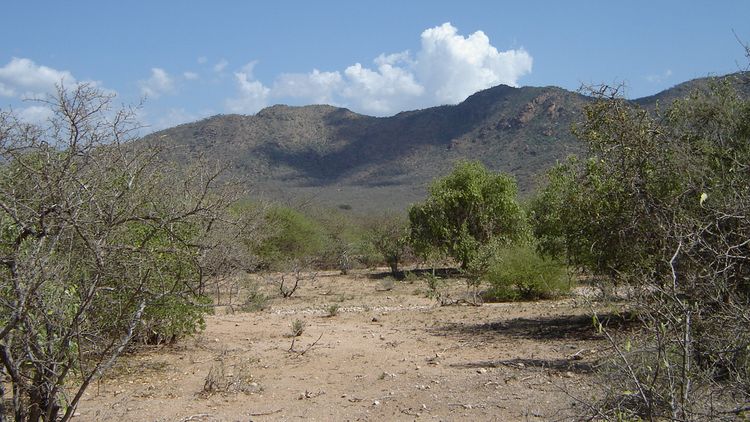
Tanzania is rich in natural resources. The East African country is home to six of the world's 36 “biodiversity hotspots” – regions with a large number of plant and animal species that are particularly at risk. At the same time, Tanzania is one of the five countries with the highest deforestation rates worldwide. Climate change poses additional risks for humans and nature in the future, for example as a result of more hot days per year and the higher probability of droughts and heavy rainfall.
Working together with local actors
The aim of the project is therefore to implement nature-based solutions and develop suitable participatory processes for involving local groups in the measures. Nature-based solutions are actions to protecting, sustainably manage, and restore natural or modified ecosystems, and at the same time provide human well-being and biodiversity benefits. As part of the project, the researchers plan to work together with local actors to implement reforestation projects that reduce greenhouse gas emissions, increase ecosystem services and mitigate climate risks.
To do so, the scientists are gathering socio-economic and ecological background information to identify communities that are particularly affected by deforestation and are interested in sustainable forest management. In two areas, the Usambara and Pare Mountains region and the coastal area between the port cities of Dar es Salaam and Tanga, the team wants to help establish reforestation initiatives and closely involve local communities in the planting and management of the areas to be reforested.
Taking local conditions into account and building on local knowledge, suitable tree species for reforestation will be selected and planted together with local actors. Through public events, consultations and workshops, the project partners aim to involve local communities in all the activities right from the outset, thus ensuring the sustainability of the reforestation projects.