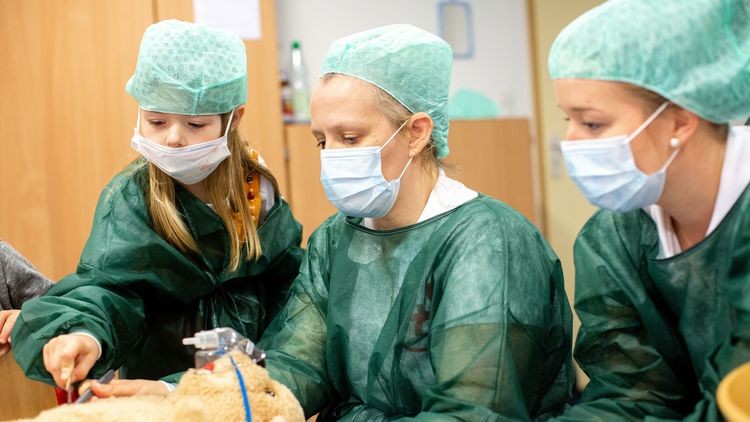
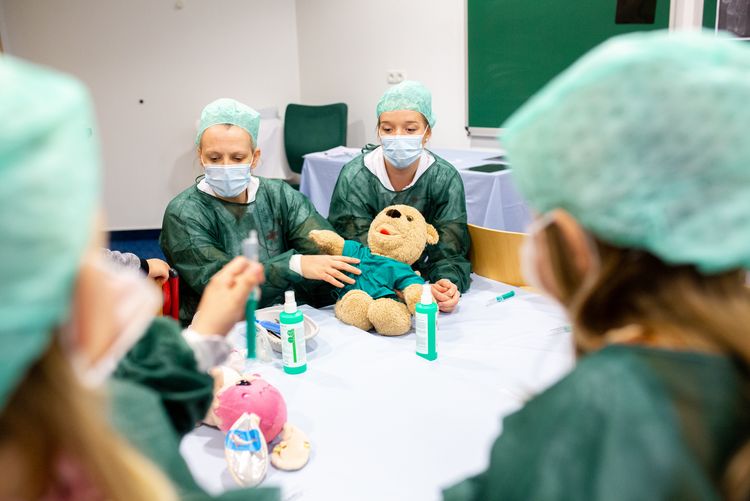

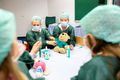
Unusually cuddly patients were guests at the University Clinic for Paediatrics and Adolescent Medicine at Oldenburg Hospital on Tuesday and Wednesday. Around 350 three to six-year-olds had their cuddly toys treated in the Teddy Bear Hospital (TBK).
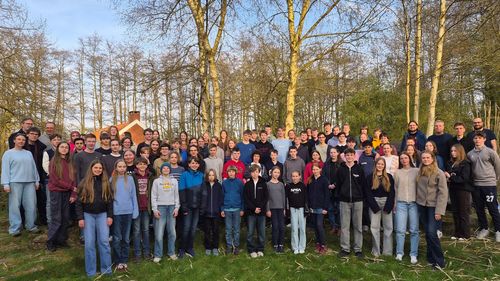
The event was organised by medical students from School V - School of Medicine and Health Sciences together with the Special Needs Education student body in order to allay children's fears of being in hospital. At the same time, the students were able to practise interacting with the young patients. A total of ten kindergarten groups visited in the mornings, while the Teddy Bear Hospital offered open office hours in the afternoons, where any child could come unannounced with their cuddly toy. "We are delighted that so many teddy mums and dads accepted our invitation again," says Leona Buschmann, one of the student organisers, "so we were able to explain our medical work to the children in a playful way and without pressure."
Cuddly toy treatment at six stations
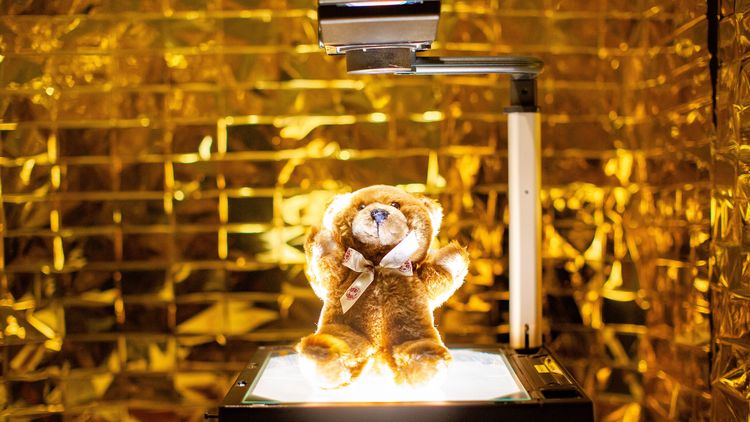
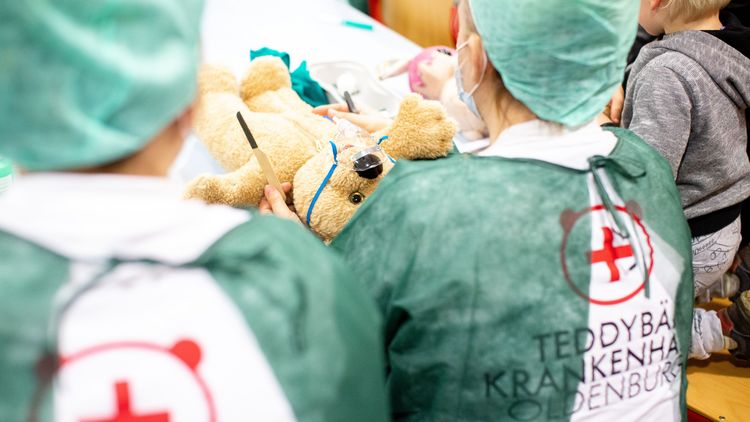
The children treated their soft toys together with the students. They had set up a total of six stations in the paediatric clinic, which the young visitors were able to pass through with their pets within an hour. In the first station, "Consultation room and X-ray", children and students examined the cuddly patients together. They then issued a prescription that could be redeemed in the "Teddy Pharmacy".
In the "Fun and Games" station, the children had the opportunity to colour and take part in movement games. A new addition this year was the "Emergency Room and Laboratory" station. Here, the students were able to explain to the children, for example, when a blood sample needs to be taken and what happens to the blood in the laboratory. A special teddy bear patient called Benny was waiting in the "Teddy Surgery": the medical students used this specially designed cuddly toy to demonstrate how an operation is performed. For example, they showed the children where organs are located and what function they fulfil in the body. For the first time this year, visitors to the Teddy Bear Hospital also had the opportunity to take a look at a Malteser ambulance.
The students placed particular emphasis on actively involving the children: They were asked to carry out the various examination and treatment steps themselves. "By visiting the teddy bear hospital, the children can better understand what happens in a hospital - without being directly involved themselves," reports Barbara Filser, who is also part of the organisation team. In her view, it has proven to be a good way for children to experience how medical treatment works in a playful way.