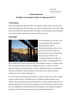

Chile, Valparaíso: Pontificia Universidad Católica de Valparaíso
Exchange programme: when to apply?
Applications for the exchange programme for a stay abroad in Non-EU countries (exception: North America) in the following year are due in May/June.
For the current call for applications please visit our website or check out our Study abroad newsletter.
Links & Downloads
- PUCV incoming students (in Spanish)
- DAAD country information Chile

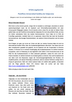
Chile, Valparaíso: Pontificia Universidad Católica de Valparaíso
-

Downtown -

Market -

Downtown -

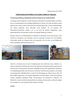
Landscape scene in Valparaíso -

Landscape in Valparaíso -

Cyclist -

Residents on the beach -

Students doing water sports -

PUCV halls of residence -

National festival -

Typical drink on the beach -

Landscape in Valparaíso
Application
The academic year at the Pontificia Universidad Católica de Valparaíso (PUCV) is divided into two terms: Term 1 (February to mid-July) and Term 2 (end of July to end of December). Students from all Schools who have studied Spanish for at least two years can apply to study at the PUCV for one or two semesters free of charge. Two students from Oldenburg can study at the PUCV per year.
Study
The main facilities of the renowned Pontificia Universidad Católica, or PUCV for short, are located in the centre of the city of Valparaíso. Other buildings are located in the neighbouring town of Viña del Mar. The university has been open to students from Chile and all over the world since 1925. The architecturally and culturally interesting city of Valparaíso (incidentally the second largest city in Chile) is the seat of the Chilean parliament and one of the most important harbour cities in Chile (which is why the city's inhabitants are called porteños - from the Spanish puerto: harbour).
The PUCV offers a wide range of subjects at undergraduate, graduate and postgraduate level. The PIIE (Programa Internacional de Intercambio Estudentil) office is well organised due to the large number of exchange students per semester and is prepared for (almost) any special situation. In total, around 15,000 Chilean and international students study in over 120 study and research programmes at the PUCV. The subject focus for Oldenburg students is unlimited, with the exception of medicine.
Everyday life
Chile is a popular country to live and study in. The people are very open and friendly, and nature invites you to make many discoveries. The country is well developed. Almost all parts of the country are easily accessible by modern intercity buses. The capital Santiago de Chile is only 120 kilometres away.
If you are looking for a European lifestyle, you should expect the cost of living to be comparable to that in Germany, especially in the major cities. Outside the urban centres, life is cheaper, so you can assume an average of 500 euros per month.
Overview of the cost of living
It is also possible to live with a host family during your time abroad. If this is not desirable, accommodation options can be used, depending on the available budget.
Formalities & interesting facts
Transferring relevant credits for your studies in Germany is easy via the Academic Examinations Office of the University of Oldenburg. Information on credit transfer for studying in Oldenburg