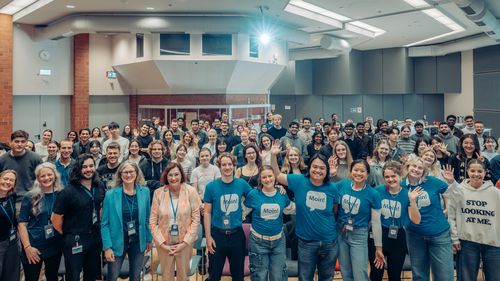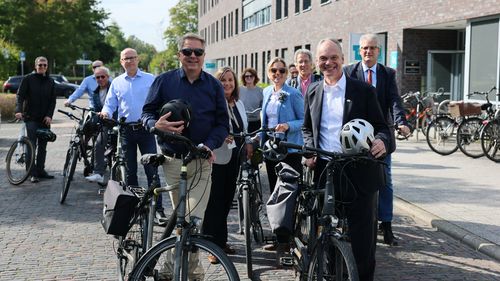


From Munich to Helgoland, from Bonn to Berlin: last Saturday, tens of thousands gathered in Germany alone to demonstrate in favour of the value of research and science for democracy.
At more than 600 locations worldwide, the demonstrators showed that science and academic freedom are an inalienable asset of our culture. In the USA in particular, where the idea of the march originated, concerns about the future drove thousands of scientists and science enthusiasts onto the streets: politicians who deny scientific findings such as climate change, governments that cut spending on research and education - according to the initiators of the "March for Science", all of this threatens society as a whole.
Freedom of science is not in question in Germany. But in some European countries, too, populist movements are threatening the value of science and in some places scientists are under direct threat. Science is international - according to the German initiators, this also gives rise to a responsibility for one another.
Many scientists, universities, research institutions and scientific organisations support the campaign. The University of Oldenburg is also one of them and last week called on people to take part in one of the rallies in the neighbourhood. The message was well received: "We were pleased that the university seemed to find the issue just as important as we did," says biology student Jonas Trautvetter, who made the journey to Hamburg together with fellow students. The trip was "more than worth it", reports Trautvetter. Despite the typical Hamburg weather - rain showers and a lot of wind - the atmosphere was great. He was impressed by the hopeful atmosphere and the creativity of the demonstrators: In addition to slogans on signs such as "Make science great again" and "There is no alternative to facts", one banner in particular appealed to him: "Not all superheroes wear caps - some wear labcoats".
In Göttingen, around 2,000 peaceful demonstrators also flew the flag for science. Rebecca Carroll, an Oldenburg postdoctoral researcher in the Hearing4all cluster of excellence, was also there. She was struck by how colourful and international the demonstration was - and that not only scientists, academics and politicians were present. The concern of many participants about the increasing popularity of rejecting established facts was palpable, reports Carroll. But there were also voices calling for more open access or better communication with laypeople. "For me, these are all positions worth supporting," emphasises the hearing researcher.
There were many positive comments on social media - an event that gives hope for the future, wrote one participant. Carroll, who chatted to passers-by after the demonstration, is also inspired. Perhaps scientists really need to communicate more with the public instead of just conducting ingenious research in an ivory tower, she says. The initiators in Germany and elsewhere want to ensure that the momentum of the event does not fade - and are calling on all interested parties to continue to contribute their ideas.