
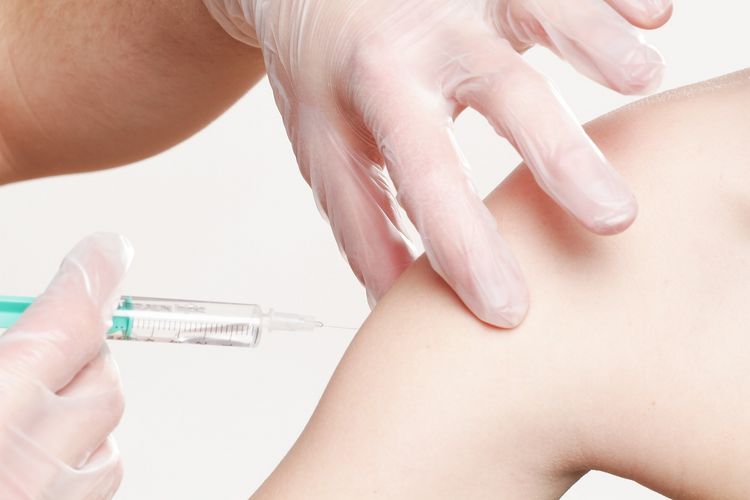

Vaccinated" is currently showing in our cinemas. The film is the autobiographical story of a man who becomes a father and therefore begins to research the subject of vaccinations in infancy. In the opinion of many critics, the film not only enlightens, it also sows doubt.
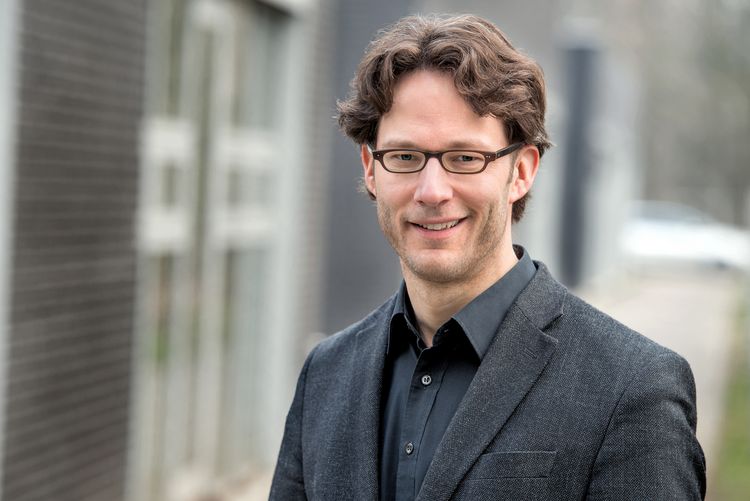
Some facts from Oldenburg general practitioner Prof Dr Michael Freitag:
QUESTION: Mr Freitag, how do modern vaccines actually work?
ANSWER: The purpose of vaccines is to specifically activate or support our immune system against certain pathogens. In active immunisation, the vaccine stimulates the production of the body's own antibodies. To do this, the manufacturers use pathogen components or highly attenuated pathogens. For most vaccinations, this must be repeated several times and at certain intervals in order to build up or refresh reliable immunisation protection. In passive immunisation, on the other hand, doctors administer antibodies that act directly against specific pathogens.
QUESTION: Why are children immunised at an early age?
ANSWER: Children are particularly at risk as their immune system is still developing and has yet to produce the individual antibodies. Diseases such as diphtheria, polio or measles are very dangerous for young children. Fortunately, the vaccination programmes of the last few decades have been able to reduce these diseases.
QUESTION: What are the risks of immunisation?
ANSWER: With modern vaccines, serious vaccination complications are extremely rare. Mild pain, redness or swelling in the area of the vaccination site are typical and harmless vaccination reactions. Mild general reactions such as fever, headache and aching limbs as well as nausea and diarrhoea can also occur; these usually subside within one to two days.
QUESTION: Which children must or cannot be vaccinated?
ANSWER: Only in a few exceptional cases can children not be vaccinated, for example if they are currently suffering from a feverish infection. In the case of children who have to undergo chemotherapy due to cancer, vaccinations do not provide sufficient immune protection. In this case, protection via a vaccinated environment plays a particularly important role. In the first few months of life, breastfed children are still protected by their mother's antibodies.
QUESTION: Do you think immunisation also has something to do with social responsibility?
ANSWER: Absolutely. Vaccination not only protects yourself, but also others. The phenomenon is called "herd immunity". If a sufficient number of people are vaccinated - depending on the disease, more than 95 per cent of people need to be vaccinated - infections cannot spread further. It is then even possible to completely eradicate a disease. This has been achieved with smallpox, for example. Polio and measles could also have been eradicated long ago if all children worldwide were consistently vaccinated.
QUESTION: Where should parents get the best information?
ANSWER: In my opinion, the best website on the subject is provided by the Federal Centre for Health Education: impfen-info.de
Otherwise, paediatricians and family doctors are also happy to provide information on this topic.
Interview: Petra Wilts