


"Science in ten minutes" - this is the name of the new format from the Oldenburg Research Centre for Children's and Young Adult Literature (OlFoKi). In video contributions, experts analyse current children's and young adult books scientifically and didactically.
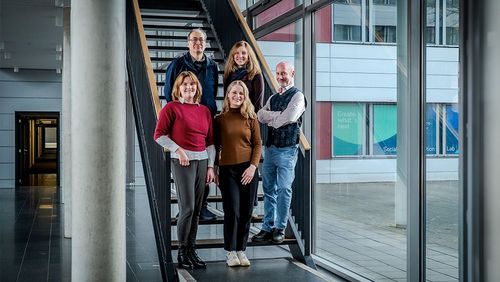
When researchers comment on children's and young adult literature, they usually do so at conferences or in specialist articles. The OlFoKi team in Oldenburg is now allowing the general public to participate with the digital forum "Science in ten minutes". Scientists, doctoral candidates and students are involved in the project, which is unique in Germany. In the 29 "vidcasts" so far, they analyse the texts from a didactic, essayistic, literary or cultural studies perspective.
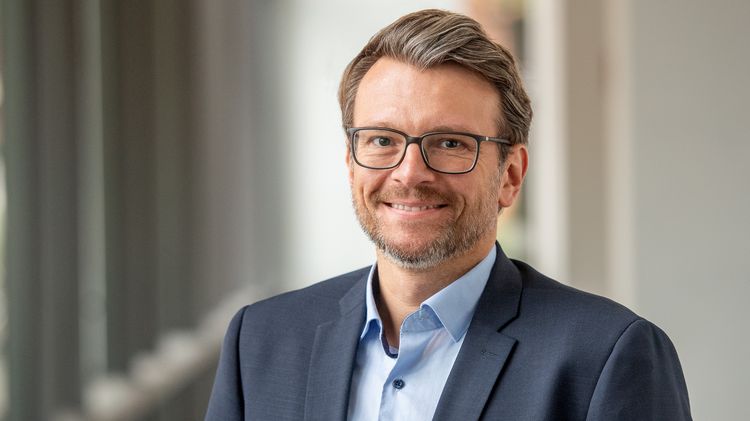
Prof Dr Thomas Boyken, literary scholar at the university and head of OlFoKi, conceived the forum together with Oldenburg literature didactics expert Prof Dr Jörn Brüggemann. "We hope to use this format to make academic discourse accessible to a wider audience," says Boyken. The project was presented at the 46th Oldenburg Children's and Young People's Book Fair (KIBUM). The vidcasts can be accessed via the corresponding website - where all manuscripts are also available for download.
Didactics, trends and a workshop
The total running time of the 29 videos is around 300 minutes. The content of the vidcasts was chosen by the scientists and students themselves. Their contributions are aimed at different target groups with different intentions. The "Reviewed and commented on for schools" section, for example, is aimed at teachers and educators in order to provide them with new teaching material.
Interested adults are the target group of the section "Children's and young adult literature 2020: trends and other observations". The articles illustrate, for example, how sophisticated the illustrations for children's and young adult books are these days. For example, there are videos that shed light on gender representation in children's books or examine how picture books convey complex subject matter. In this way, the vidcasts provide insights and assessments that go beyond conventional literature reviews.
The clips in the "A look into the workshop of literary studies" section are primarily aimed at other literary and cultural studies scholars. The community is presented with new food for thought and research in an unconventional way - unbound by time and place. "The contributions can be integrated into discourses - regardless of whether you teach in Frankfurt am Main or Oldenburg. This would not have been possible in the context of a conference," emphasises Boyken.
"Different layers of meaning"
The forum not only prepares content for different target groups. It also sheds light on individual books from different perspectives. For example, two vidcasts scrutinise why the novel series "The Hunger Games" by Suzanne Collins is so popular and how music and song lyrics are used in it. The young adult novel "Electric Fish" by Susan Kreller also offers plenty of "material" for two different analyses. In it, a young woman from Dublin has to move to Mecklenburg-Vorpommern - one vidcast compares German and Irish culture, another shows where the two cultures mix.
"These examples illustrate that there is of course no one correct interpretation of a literary text, but many different layers of meaning and perspectives," says Boyken. The short clips about new books show just how diverse current children's and young adult literature is.