
Protecting the oceans and using them sustainably: This is the goal of the second research mission sustainMare of the German Marine Research Alliance, which officially starts today. A joint project led by Oldenburg researchers is part of the mission.
The impact of climate change on and the unsustainable use of seas and coasts not only harm nature but also affect human well-being – not least because part of our food comes from the sea or we spend our leisure time on the coast. Making the interaction between humans and the sea as sustainable as possible is one goal of the joint project CREATE led by biodiversity expert Prof. Dr Helmut Hillebrand from the University of Oldenburg. It is one out of seven projects in the second research mission of the German Marine Research Alliance (DAM) called sustainMare ("Protection and Sustainable Use of Marine Spaces") that was officially launched today. The Federal Ministry of Education and Research (BMBF) initially funds the project with about four million euros over an initial period of three years, the whole mission with about 25 million euros.
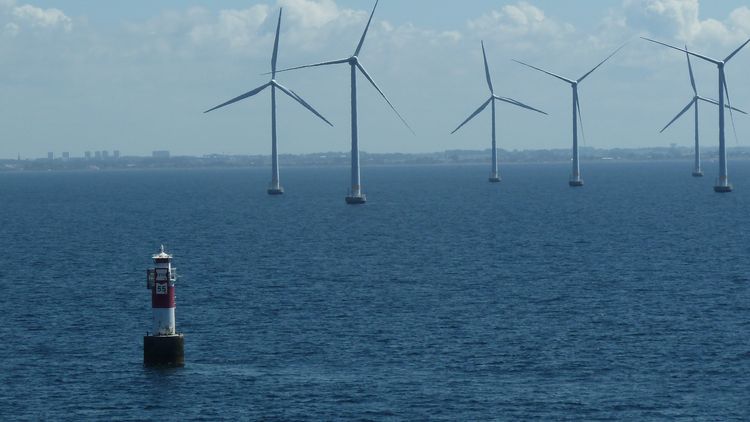
"Humans and the sea form a socio-ecological system," says Hillebrand, head of the Planktology working group at the Institute of Chemistry and Biology of the Marine Environment (ICBM) and director of the Helmholtz Institute for Functional Marine Biodiversity (HIFMB). "The different anthropogenic interventions in coastal marine ecosystems are leading more and more to conflicts of use." Whether tourism or fertiliser use in agriculture, whether sediment dumping in coastal waters, shipping or the expansion of the renewable energy sector: "In view of the diverse stressors that influence each other and often run counter to the goals of marine conservation, integrated concepts must be developed," Hillebrand emphasises.
Living Labs in the North and Baltic Sea
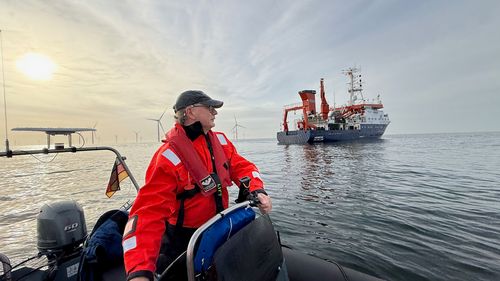
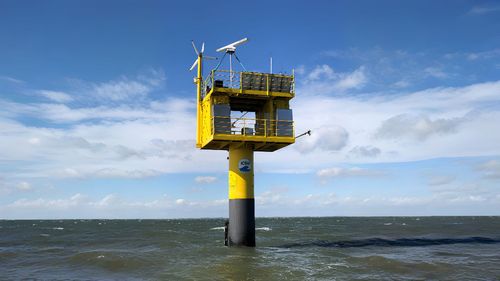
In order to find concrete solutions, the CREATE project therefore brings together experts from the natural and social sciences, economics, engineering and society. To achieve this, they will establish three so-called living labs in the North Sea and Baltic Sea and bring their methods together. The living labs will be located in the nature reserves Borkum Riffgrund and Sylt Outer Reef, both located in the German Bight, as well as the Eckernförde Bay in the Western Baltic.
"Living labs are a comparatively new approach in marine environmental science," says the marine ecologist responsible at HIFBM, Dr Ute Jacob. "The core idea is to develop measures for more sustainable use and effective protection with all those affected and then jointly implement these in the specific regions." In CREATE, this process begins with a systematic analysis of all stakeholders to be involved and is intended to result in scientifically based recommendations for action. These will be available to politicians, business and society as a basis for future decisions.
In addition to researchers from the ICBM and the HIFMB, experts from 14 other partner institutions are involved in the project. These are the Universities of Kiel, Rostock and Greifswald, the Humboldt University of Berlin, the University of Veterinary Medicine Hannover, the Alfred Wegener Institute Helmholtz Centre for Polar and Marine Research, the Helmholtz Centres for Environmental Research (Leipzig) and Ocean Research (Kiel), the Leibniz Centre for Tropical Marine Research in Bremen, the Leibniz Institute for Baltic Sea Research in Warnemünde, the Max Planck Institute for Marine Microbiology in Bremen, Senckenberg am Meer (Wilhelmshaven), the Johann Heinrich von Thünen Institute in Bremerhaven and the German Development Institute.