
How can individual neighbourhoods be optimally supplied with decentralised energy? A joint project led by Oldenburg energy computer scientist Sebastian Lehnhoff aims to address questions such as these - and thus further develop the energy system.
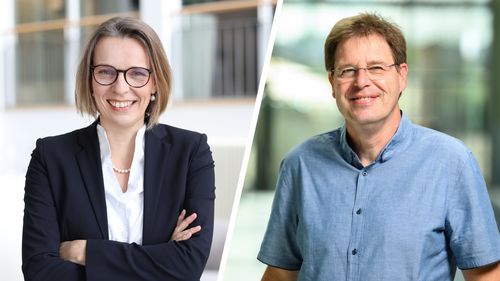
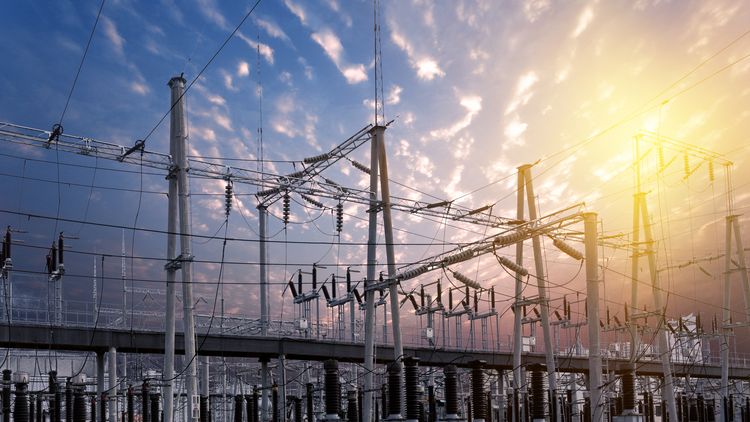
The energy transition is making the energy system increasingly complex. Intelligent management systems are needed to control decentralised producers and consumers automatically and efficiently. Seven research institutions and eleven companies from Lower Saxony will soon be pooling their expertise to drive this process forward in the "Digitalisation of Energy" future lab. Under the leadership of Prof. Dr Sebastian Lehnhoff from the Department of Computing Science at the University of Oldenburg, the research network will, for example, model how individual residential areas can be optimally supplied with decentrally generated energy. The Lower Saxony Ministry of Science has been funding the project with around 3.5 million euros over five years since 1 October.
"With this future laboratory, Oldenburg Computing Science is once again demonstrating its highly innovative research," explained University President Prof Dr Dr Hans Michael Piper on the occasion of the approval.
The project is divided into two pillars. In the first sub-project, entitled "Research into ICT dependencies in neighbourhood supply systems", the team plans to research and further develop digitalised energy systems. The second sub-project aims to establish a platform that will enable energy system research in Lower Saxony and beyond to be networked more efficiently and research findings to be transferred more easily into practice.
Minimising operating costs, reducing emissions
Lehnhoff and his colleagues are focusing their research on the energy supply of residential neighbourhoods. "The smallest units of digitalised energy systems are automated residential or commercial buildings, known as smart homes or smart facilities," explains the Oldenburg energy computer scientist. "An energy management system that uses current environmental and forecast data controls generators and consumers such as solar panels, heating, electrical appliances or electric cars." The aim is to minimise operating costs, consumption and emissions. Measurement, communication and automation technology also offers numerous optimisation opportunities at neighbourhood level, says Lehnhoff: "These technologies make it possible to provide energy when it is needed, make better use of waste heat and renewable energy sources, jointly manage storage facilities and integrate combined heat and power plants, industrial heat pumps and fuel cells into the system." Within the project, the researchers initially want to work out various use cases, develop corresponding models and finally test and analyse various scenarios.
The platform, which is being set up in the second project pillar, will consist of several elements. Plans include a network of participating experts, test laboratories and research institutions, a database and an area where results can be presented and utilised for further developments.
Implementing digital innovations directly
The "Digitalisation of Energy" future lab is part of the Centre for Digital Innovation Lower Saxony (ZDIN), which was founded in January and is coordinated from Oldenburg. In a total of six future labs, scientists from research institutions and universities in Lower Saxony will work with partners from the field to generate ideas for application-oriented research projects and work on them together. The aim is to directly implement digital innovations in Lower Saxony and enter into a dialogue with society. In addition to energy, the focus is on agriculture, society & labour, health, mobility and production. The Oldenburg Computing Science experts Prof Dr Susanne Boll, Prof Dr Axel Hahn, Prof Dr Martin Fränzle, Prof Dr Andreas Hein and Prof Dr Wolfgang Nebel are consortium partners in the Future Labs Society & Work, Mobility, Health & Production.
Oldenburg-based Computing Science expert Prof Dr Wolfgang Nebel was elected Chair of the ZDIN Board of Directors. The Board of Directors is responsible for the strategic management of the ZDIN, develops concepts for a joint research strategy for the members and advises the state government on scientific issues relating to digitalisation. The funds for the five-year programme come from the Volkswagen Foundation's Niedersächsisches Vorab.