
20 years of wind studies
20 years of wind studies

For two decades, the wind study programme has established itself as the only further education programme in the field of wind energy in Germany. Today, over 500 experts from the ranks of our alumni, lecturers and partners form a strong network. And in recent years, the network has been expanded to include new programmes in the areas of hydrogen and approval procedures.
The 20th anniversary is a special milestone - an occasion to look back together, reflect on current developments in energy and economic policy and look ahead to the challenges ahead.
Forum on personnel and qualification at the 33rd Wind Energy Days in Potsdam
Stefanie Müller (Alterric), Dominique Guillou (LEAG Renewables) and Wolfram Axthelm (BWE) (from left to right) discussed the topic of "The changing wind industry - consequences for personnel and qualification" at the Spreewind Days. They discussed the political framework conditions for wind energy, new strategies in recruiting and success factors for the transformation of jobs from fossil fuels to renewable energies. The event was moderated by Christoph Schwarzer.
Wolfram Axthelm: Positive results from the coalition committee
Up-to-date policy briefing on the coalition committee's resolutions on the power plant strategy: Wolfram Axthelm came to the forum directly from the Bundestag and was able to report positive news. The tendering volumes for renewable energies remain stable and the plans of Economics Minister Katharina Reiche for reserve power plants will now be realised as already envisaged by Robert Habeck: tenders for gas-fired power plants with a capacity of 8 GW "H2-ready" are to take place in 2026; in addition, an additional 2 GW will be open to all technologies, with large-scale storage explicitly addressed. Wolfram Axthelm also outlined good framework conditions for more employment in wind energy beyond these resolutions. He sees the monitoring report as a good basis for entering into a dialogue with the German government and solving system issues. The industry should not be driven crazy by the advisory mandate for the further development of the investment framework for renewable energies: this will hardly be relevant for the 2026 EEG amendment. The EEG amendment must be finalised in five months' time so that the law can come into force on time. The wind industry and the renewables sector must act clearly and in a unified manner in the political debate so that the 2026 EEG amendment can successfully set the course for the future. The number of licences and the expansion of onshore wind energy are fully on track. Even in Baden-Württemberg and Bavaria, the number of proposals has risen sharply and the approval times have fortunately fallen. Federal legislation has had an effect. The energy transition is proving to be a job engine even in times of economic crisis. According to the Bertelsmann Foundation study from March 2025, jobs in the areas of energy infrastructure and renewable energies have increased. The picture is not uniform. The recent strong growth of companies in the sector, especially the large project developers, poses the challenge of establishing new processes as well as management and organisational structures. And in the coming years, the many approved projects will start to be realised, meaning that the need for personnel in the areas of implementation - construction, logistics, grid connection - will also become apparent.
Dominique Guillou: How the energy transition can succeed regionally
Dominique Guillou reported that the transformation of the lignite region in Lusatia shows how the energy transition can be implemented in relation to a region. In the "GigawattFactory", photovoltaic and wind energy plants, large-scale battery storage systems, grid infrastructure and heat supply for municipalities are being created. And all of this will be intelligently controlled as an innovative power plant park in order to make electricity reliably available. The conversion should develop into a decisive location factor and thus enable new industrial settlements - and new jobs. Around 50% of the employees at LEAG Renewables have been transferred from the lignite sectors and now work primarily in asset management, administrative areas and regional stakeholder management. Important prerequisites were an agreement with company co-determination, academic appointments and retraining measures. It is a challenge to motivate employees who are used to fixed structures for the agile renewables sector. LEAG's projects are mainly located on the company's own land, many of which are dismantling sites from lignite mining, and they are not perceived as a nuisance due to the large distance from residential areas. Accordingly, there would be a high level of acceptance among the population for the construction of the new plants. The transformation of the lignite mining region into a region of renewables has got off to a good start. However, what is needed here is exactly what the industry as a whole needs: stable political goals, a reliable framework for investment and successful cooperation between the federal, state and local authorities.
Stefanie Müller: How job profiles and recruitment are changing for project developers
In her contribution, Stefanie Müller begins by outlining the industry-wide development of job profiles in project development. While project developers used to be able to realise wind farms largely independently and only had to coordinate a few interfaces, the increasing complexity of projects has led to a significant differentiation: Initially, specialised roles such as land acquisition agents emerged, followed later by further specialisations for approval, construction and commissioning. Today, many companies rely on clearly separated responsibilities along the entire project progression in order to meet the increased requirements. These changes also have an impact on recruitment: There are hardly any degree programmes or clear training paths that are a perfect fit for the specialised profiles. Companies are therefore increasingly looking for candidates with high development potential that they can train internally. Entry routes are becoming more diverse and, depending on the role, junior employees need several years to fully familiarise themselves with the complex tasks. Using Alterric as an example, Stefanie Müller shows that these general industry trends are also making themselves felt, but that the organisational implementation can take different forms. Here too, the specific skills requirements of each role make it challenging to find suitable candidates directly on the market. This is why Alterric is also focussing heavily on potential, lateral entry and internal qualification in its recruiting. In the newly founded BWE working group on personnel and recruiting, co-spokesperson Stefanie Müller, companies in the industry are now exchanging ideas on joint measures to make job profiles more attractive, to make qualification paths more visible and to promote industry-wide solutions for recruiting personnel. After all, it will only be possible to attract more young talent and career changers to the wind energy sector if many companies join forces.

With wind power to Husum Wind
To mark its 20th anniversary, the Windstudium chartered the traditional sailing ship Astarte and set off for the HUSUM WIND 2025 trade fair with a group of alumni.
Starting in Bremerhaven, the trip took them past the Nordergründe offshore wind farm with an overnight stay in Helgoland to Husum. During the trade fair, the Astarte was moored in Husum harbour and used as a floating hotel. After the trade fair, a second group of alumni sailed back again.
Many thanks to Eugen von Abel and the crew of the Astarte of the Schiffergilde Bremerhaven.
The trip was made possible with the kind support of:


Discussion at the alumni meeting in Husum: prospects for the wind industry
What's next for wind energy and who will do it? Industry experts discussed this at the Husum Wind 2025 alumni and network meeting of the Wind Studies programme.
The discussion centred on current developments in energy and economic policy. Among other things, the recently published energy transition report and the 10-point plan from Federal Energy Minister Katherina Reiche were discussed at the Husum storage facility at the inland harbour. The need for a stable investment framework for renewables was emphasised, for example in the upcoming amendment to the EEG. Another topic was global developments and how the skilled workers so urgently needed for the energy transition can be recruited, qualified and retained. Speakers Carlo Reeker (BWE) and Dr Sebastian Rohe (Alterric) each gave a keynote speech and then took part in a panel discussion with Toni Freude (UKA) and the guests.
The event was made possible with the kind support of


Anniversary event: Alumni and network meeting on wind energy and hydrogen
With open source and electrolysis into the Net-Zero-Valley
A great atmosphere, prominent guests and exciting discussions - the celebration of the 20th anniversary of the wind study programme clearly showed what the network around further education is all about. Almost one hundred alumni, lecturers and partners of the C3L programmes on hydrogen and wind came to CORE in Oldenburg's city centre. As in previous years, the annual network meeting combined personal and professional dialogue.
Dr Christian Friege 's presentation focused on the interplay between wind power and hydrogen. "In the long term, one is not possible without the other," emphasised the EWE Market Director. With the further expansion of renewable energies, electrolytically produced hydrogen offers many advantages: Less wind and solar power has to be curtailed unused. As seasonal storage, H2 could secure the power supply during dark doldrums and make industrial processes such as concrete or steel production climate-neutral. In addition, less grid expansion is required if molecules are transported instead of electrons. Some of the existing lines could be used for this. In the north-west, the L-gas pipelines will be freed up and the gas pipelines running between north and south in Germany have a capacity of 75 GW - significantly more than the 18 GW for electricity. Friege also explained EWE's plans for the 320 MW electrolyser in Emden, which is set to absorb up to 1.4 TWh per year from 2026.
Open source for grid operators
Prof. Dr Sebastian Lehnhoff, CEO of OFFIS and an expert in energy informatics, gave an insight into the digitalisation of the energy system. For example, the number of data points in an exemplary medium-voltage range will multiply as a result of smart meters - from 180,000 to 24 million. The systems currently used for operational management cannot cope with this. Expansions cause problems due to distributed data pools, media disruptions and inconsistent data. Maintaining and linking these systems is "a disaster for Computing Science specialists". In addition, there are currently only four specialised software providers. Modular developments, shared platforms and open standards are needed so that grid operators and energy suppliers can react more quickly to new regulatory and technical requirements and implement digitalisation efficiently. "It won't work without open source," emphasises Lehnhoff. This is the only way to open up the market to other developers. One example is the OpenKonsequenz cooperative, which develops open source modules for network operators. The software has already proven itself in field trials at Netz Leipzig and EWE NETZ.
"Huge opportunities" in the north-west
In the panel discussion with the two speakers, Prof. Dr Claudia Kemfert from DIW Berlin and OLEC board member and Oldenburg business promoter Roland Hentschel referred to the prominent role of the north-west region in the energy transition: Here there are players convinced by renewable energies, industry, green generation capacity and skilled labour. According to Kemfert, the hydrogen economy offers added value, jobs and innovation: "The opportunities for the north-west are huge." However, the focus should not be on hydrogen alone. In particular, the expansion of storage facilities and grids must be driven forward and the most economically sensible path must be chosen. Hentschel emphasised the opportunities that the energy transition offers for the region with the current proposal for the Net Zero Valley Northwest. Based on an EU guideline, the region could become a special economic zone in which around 160 projects would receive preferential approval and funding.
With the kind support of:


-
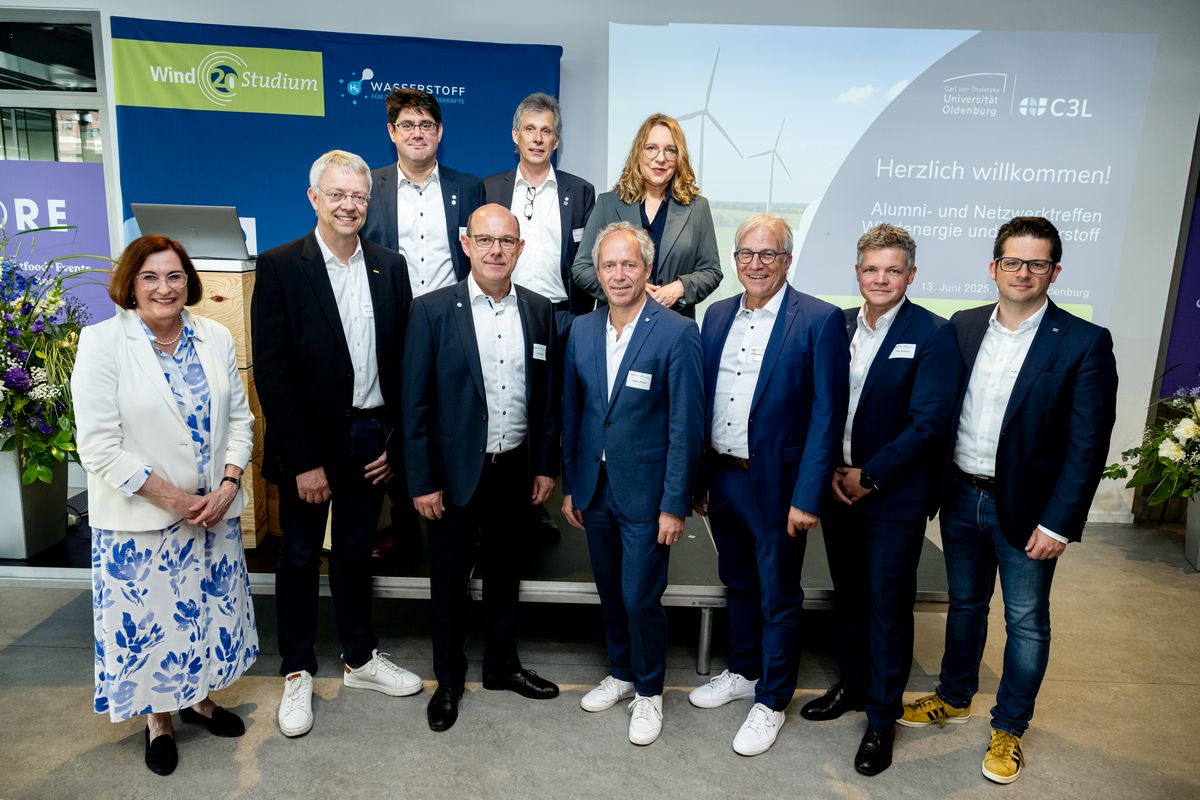
Many prominent guests congratulated the Windstudium on its 20th anniversary. -
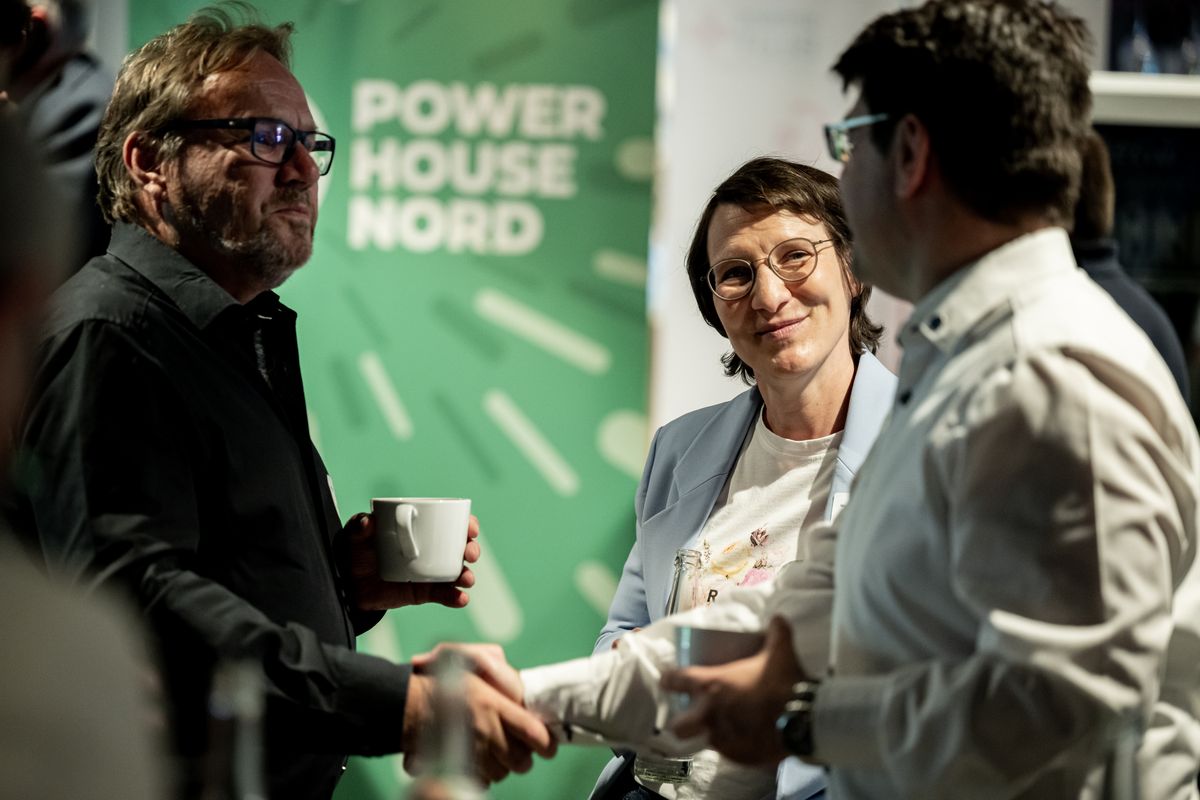
The network meeting provides an opportunity for dialogue every year. -
The network meeting provides an opportunity for dialogue every year. -
The network meeting provides an opportunity for dialogue every year. -
The network meeting provides an opportunity for dialogue every year. -
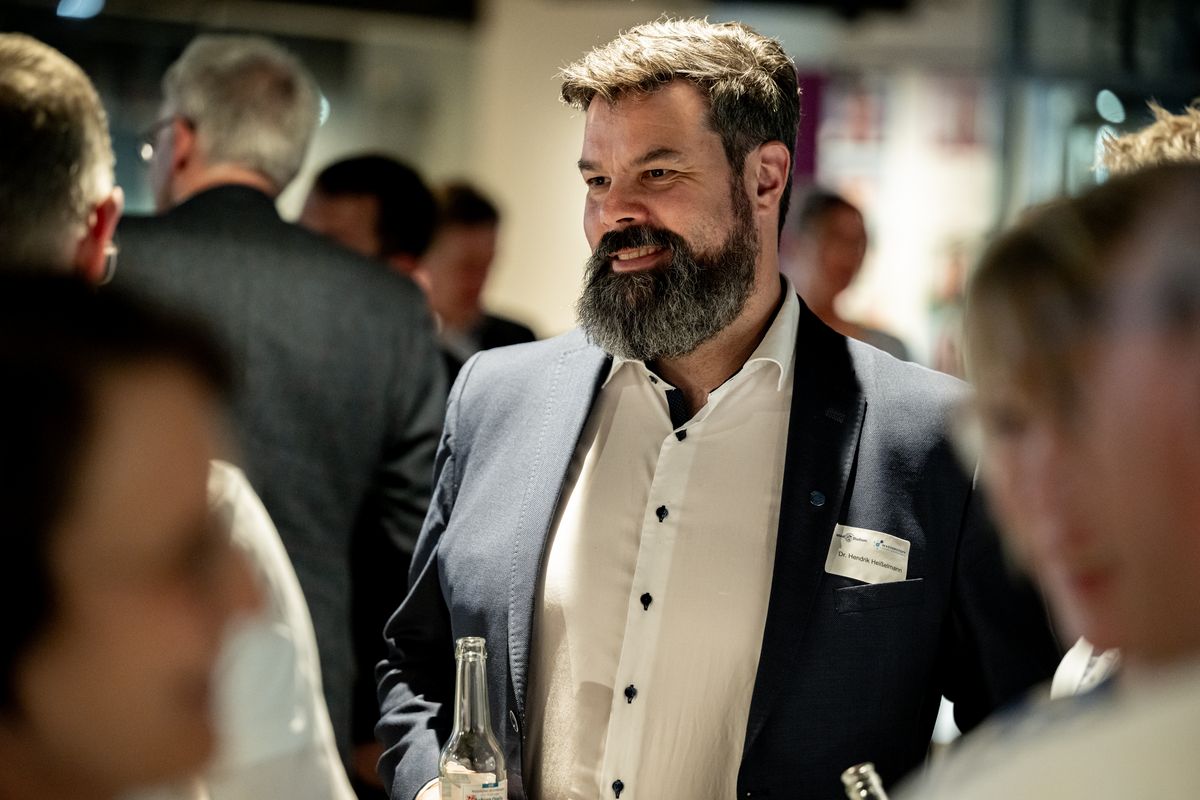
The network meeting provides an opportunity for dialogue every year. -
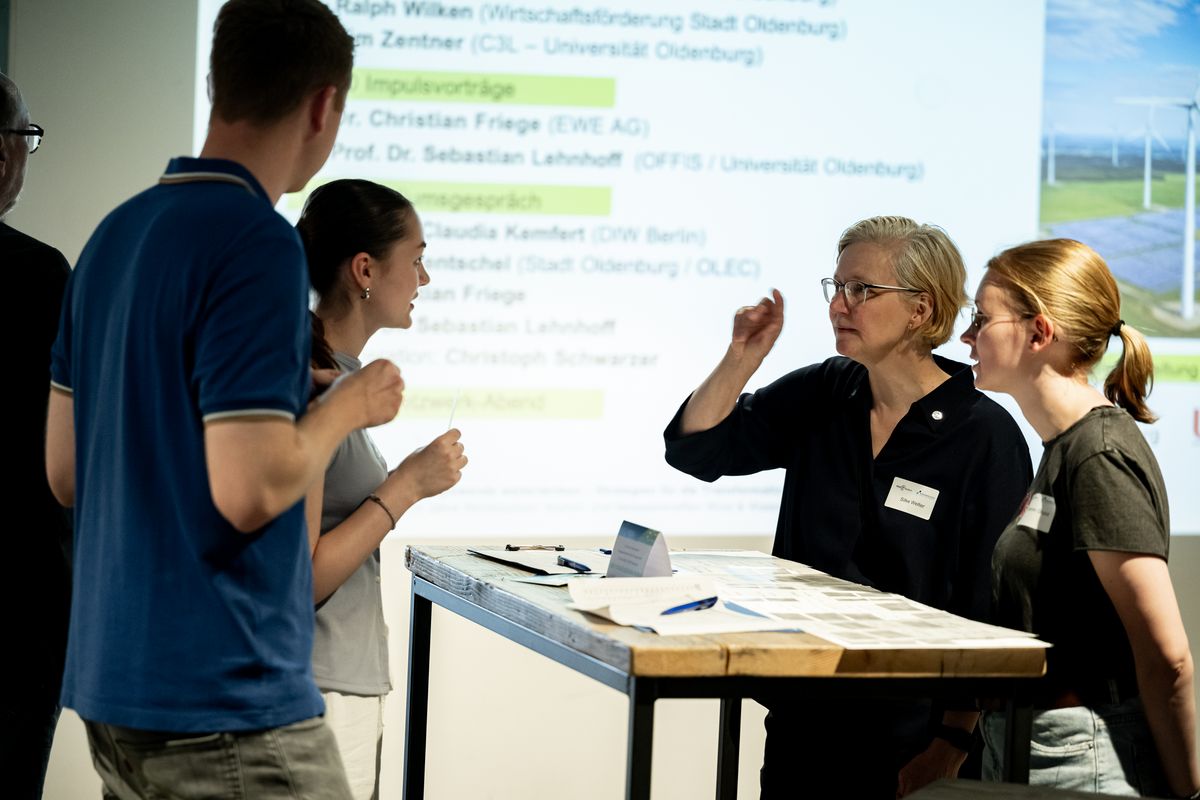
The network meeting provides an opportunity for dialogue every year. -
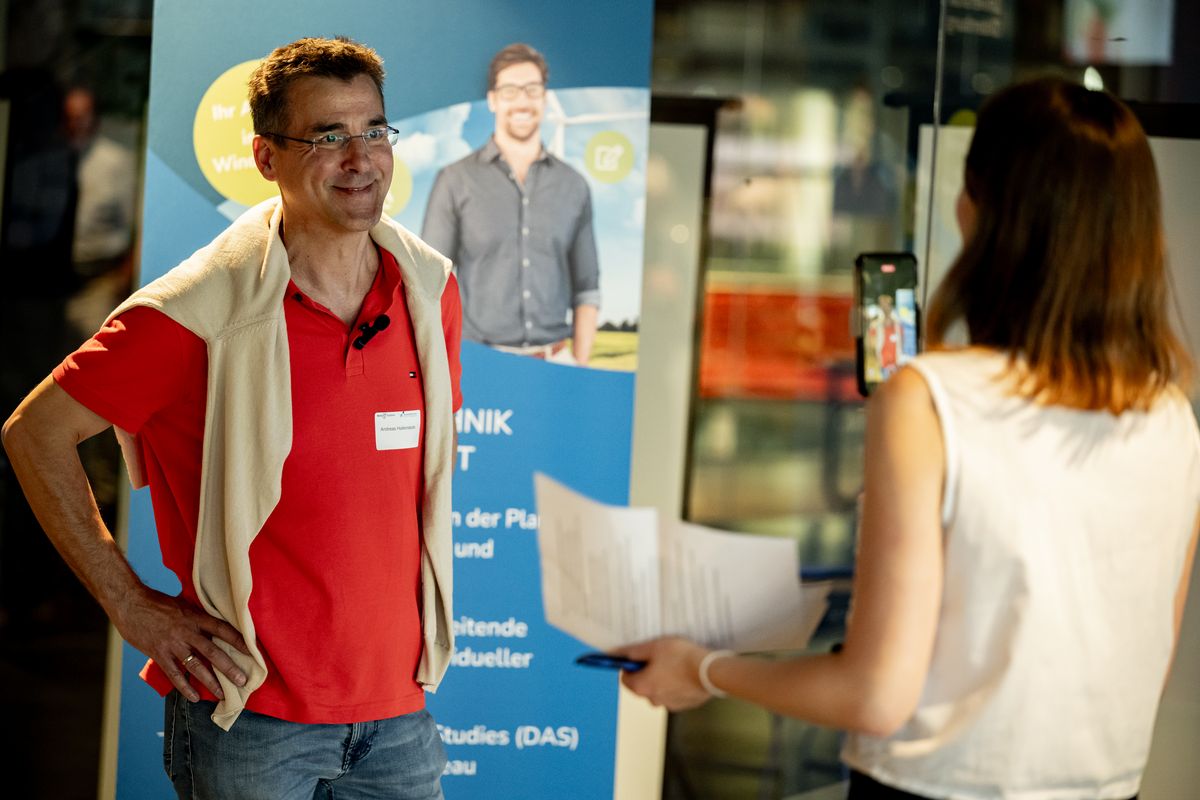
The network meeting provides an opportunity for dialogue every year. -
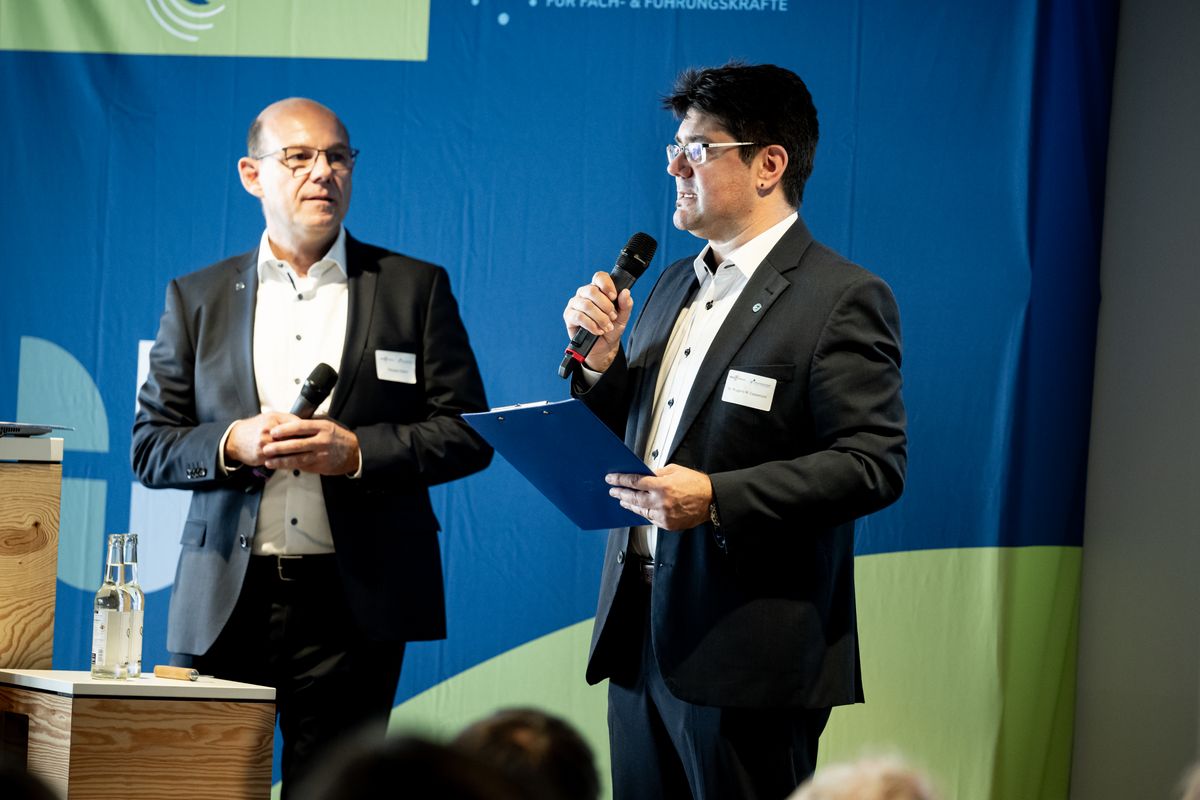
Moses Kärn has been in charge of wind studies for more than 20 years, now together with Dr Ruggero Capperucci. -
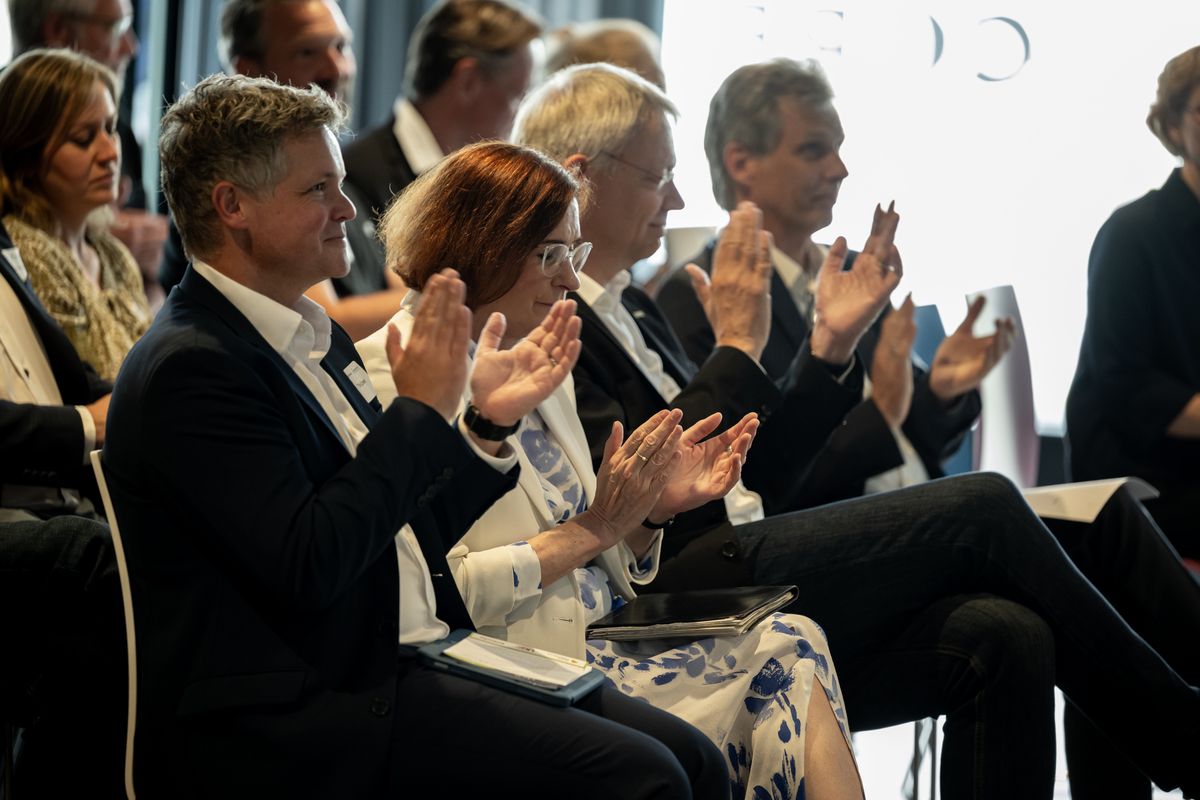
Around 100 guests attended the celebration at CORE. -
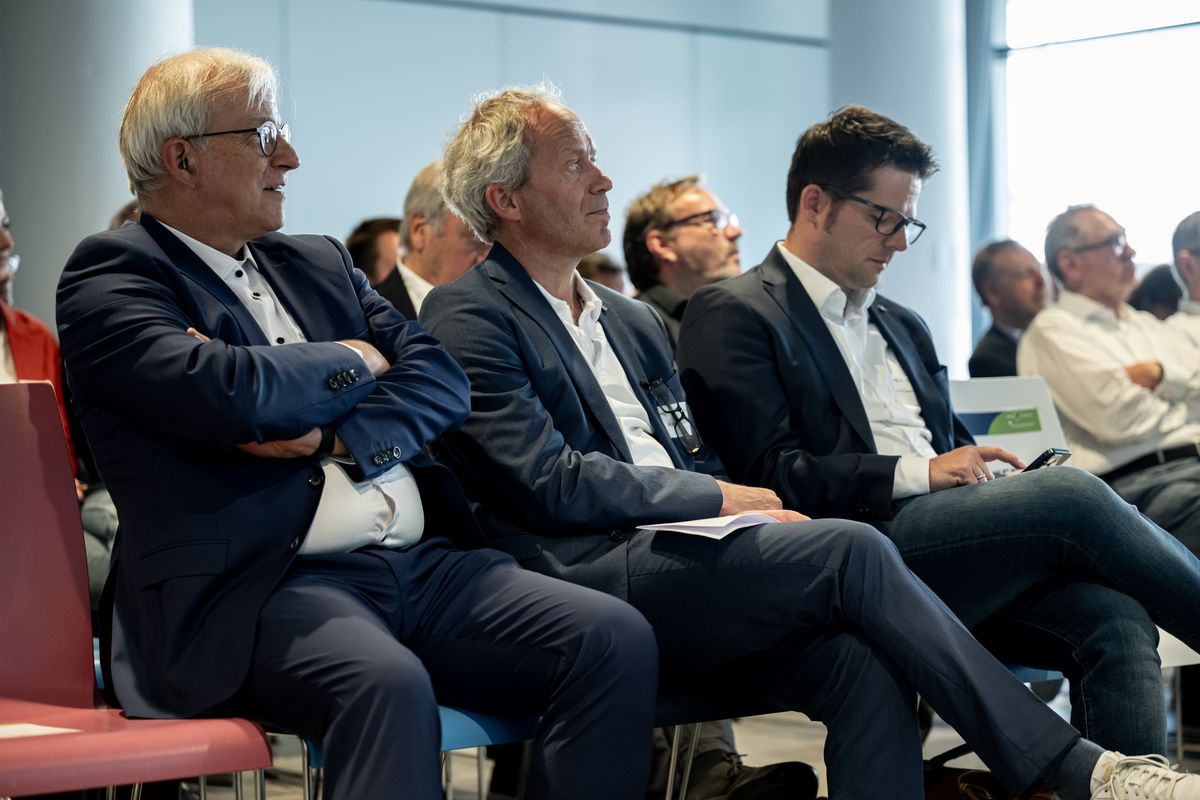
Around 100 guests attended the celebration at CORE. -
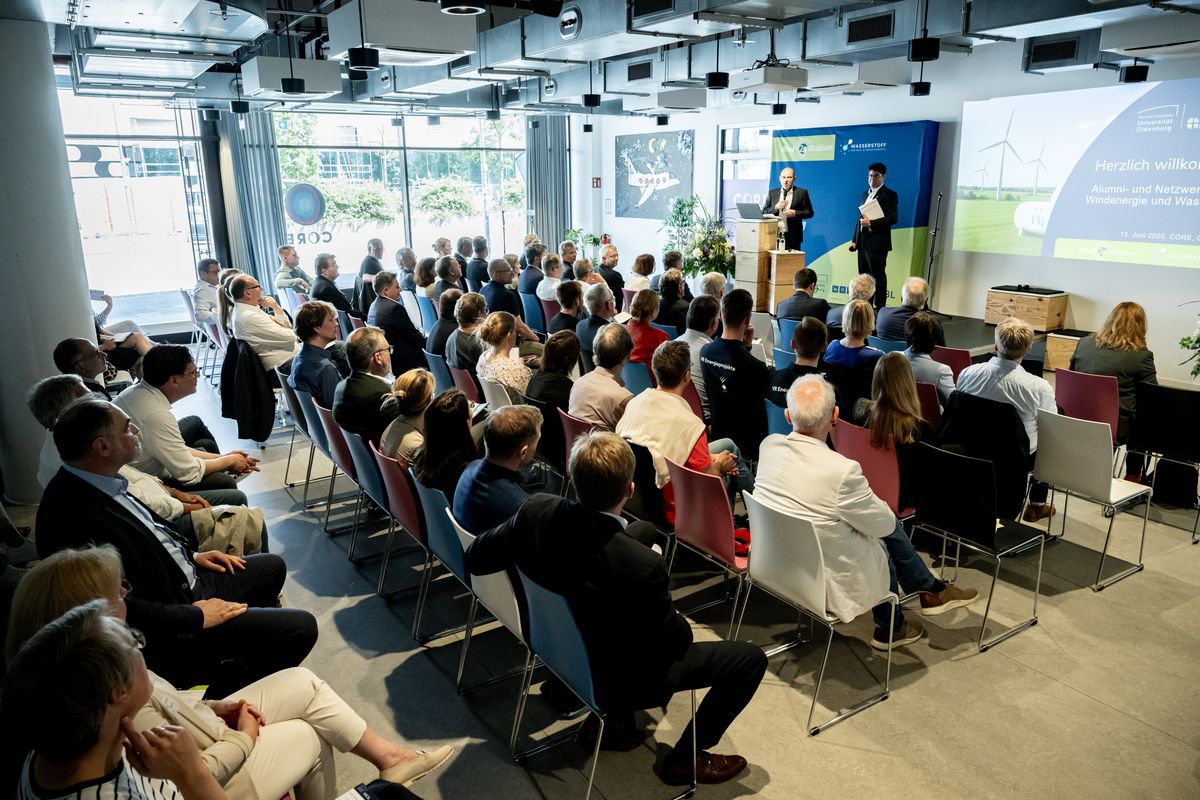
Around 100 guests attended the celebration at CORE. -
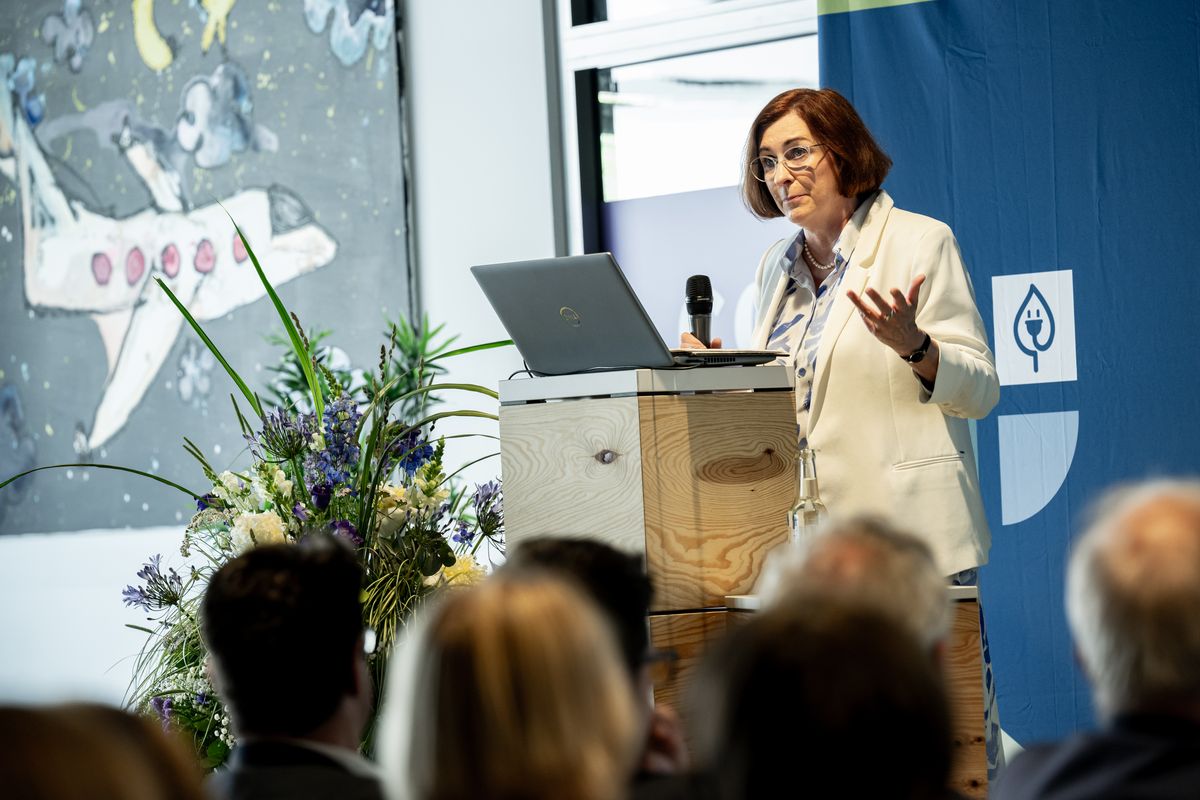
Prof Dr Andrea Strübind, Vice President for Studies and Teaching at the University of Oldenburg, picked up on the "Wind of Change". -
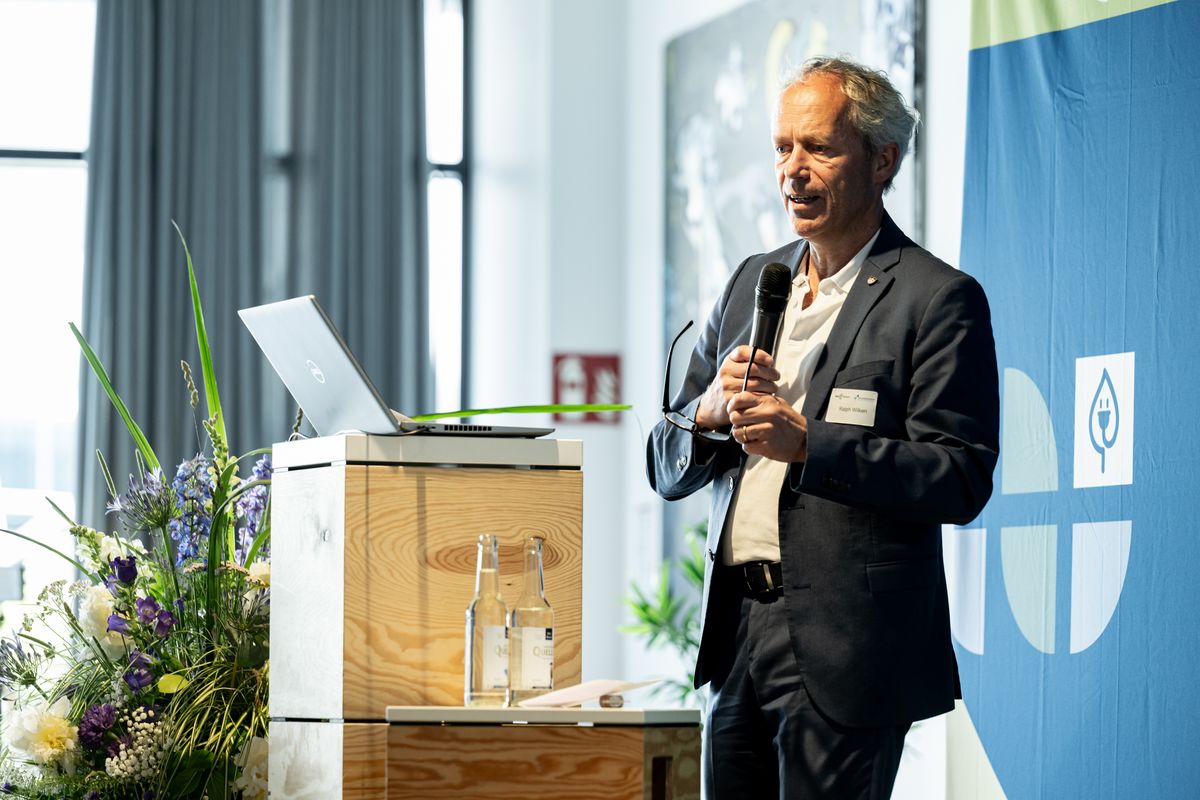
"Typical for Oldenburg" is a strong network like that of the Windstudium, says Ralph Wilken from the City of Oldenburg's business development department. -
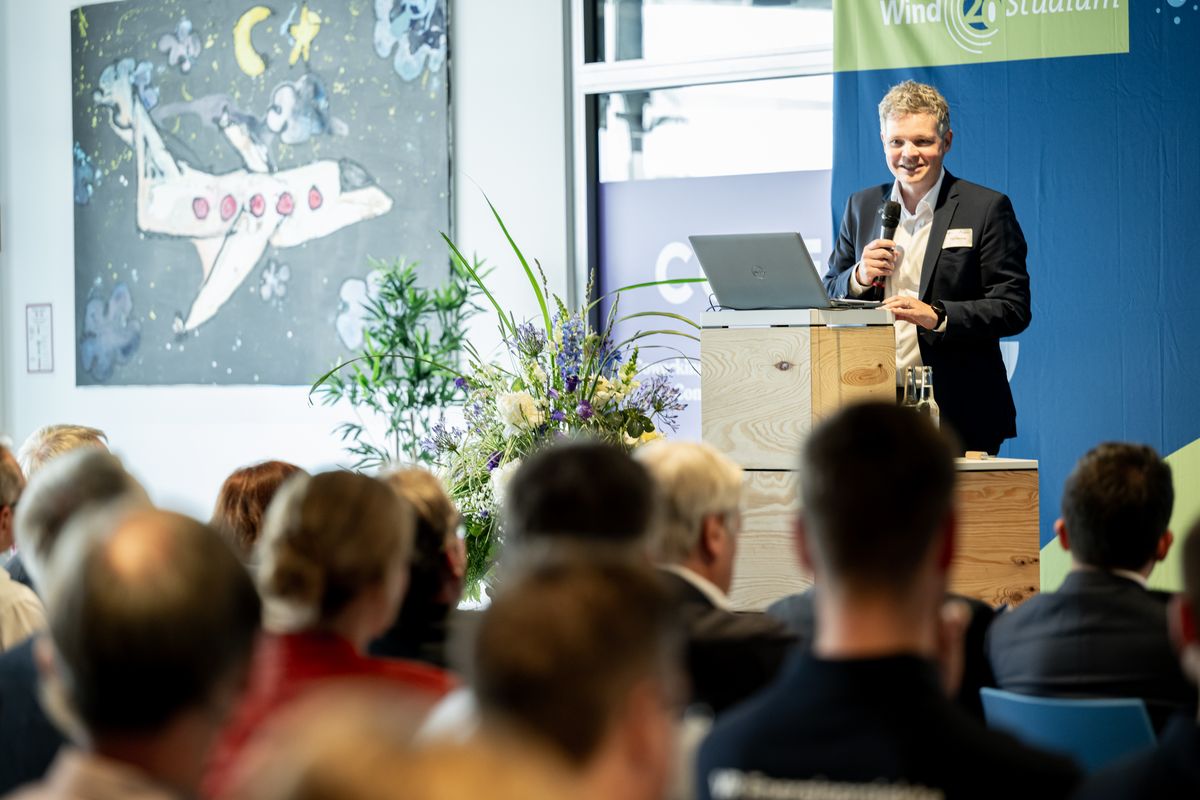
C3L Managing Director Tim Zentner presented further programmes in the field of renewable energies. -
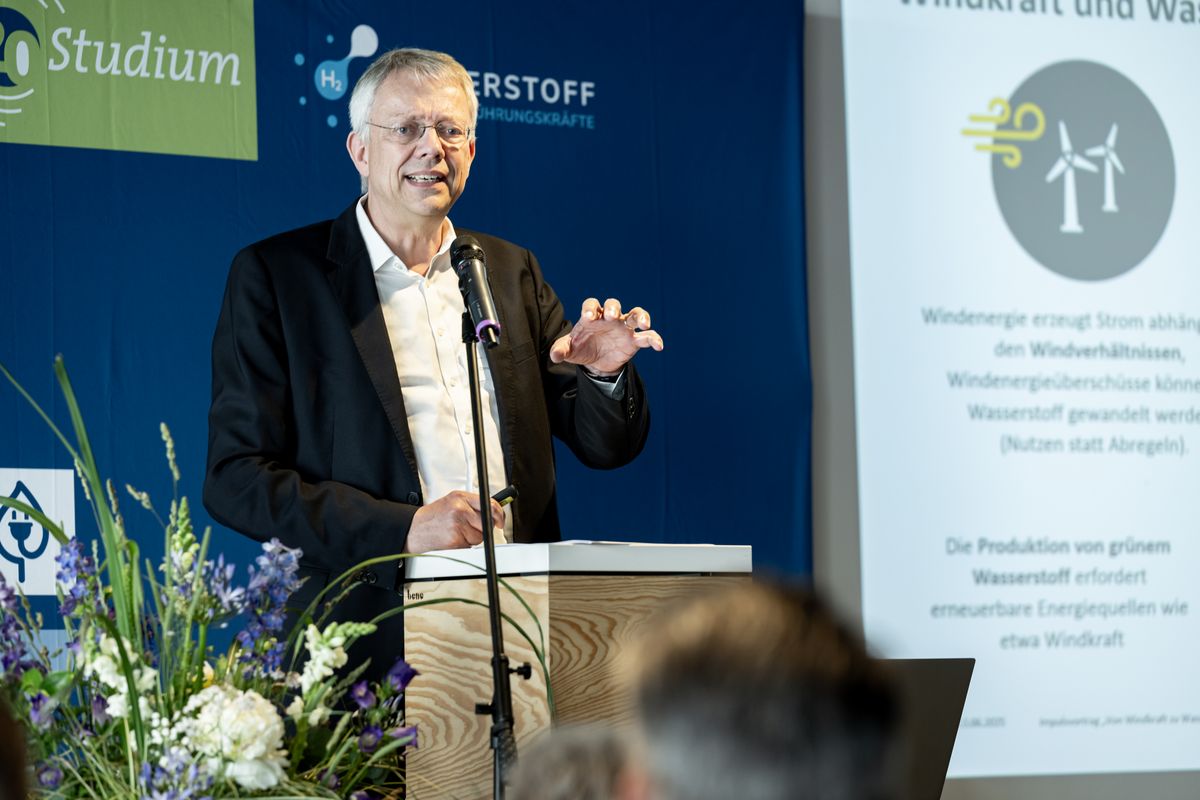
EWE Market Director Dr Christian Friege spoke on the topic: "From wind power to hydrogen: the next phase of the energy transition" -
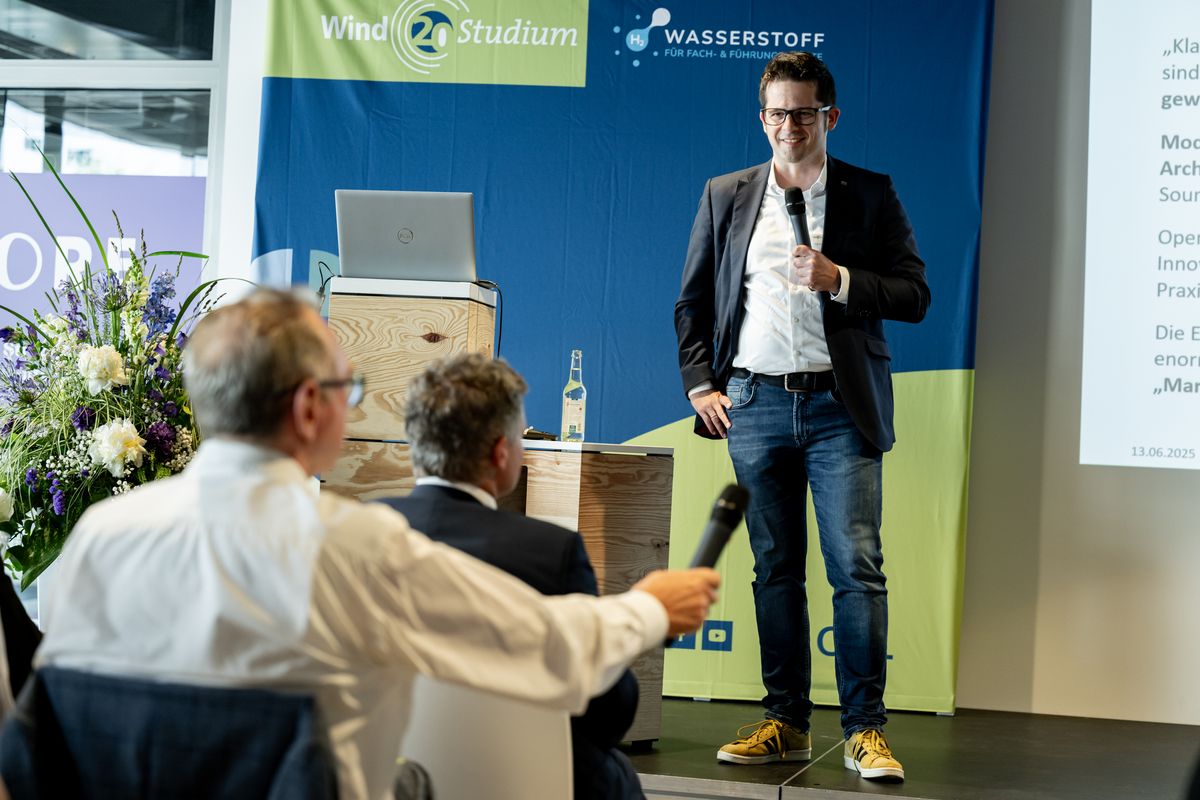
In his lecture, Prof. Dr Sebastian Lehnhoff argues in favour of open source in order to advance the digitalisation of energy systems. -
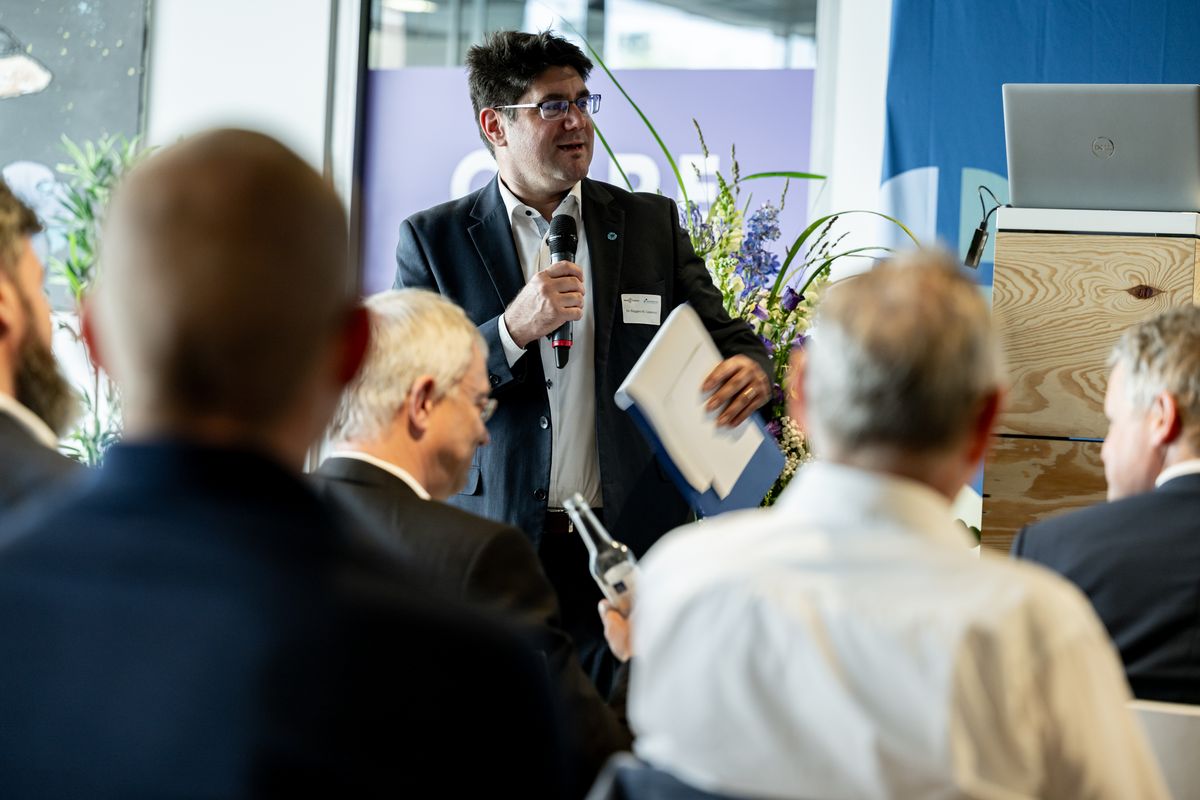
Dr Ruggero Capperucci hosted the ceremony with Moses Kärn. -
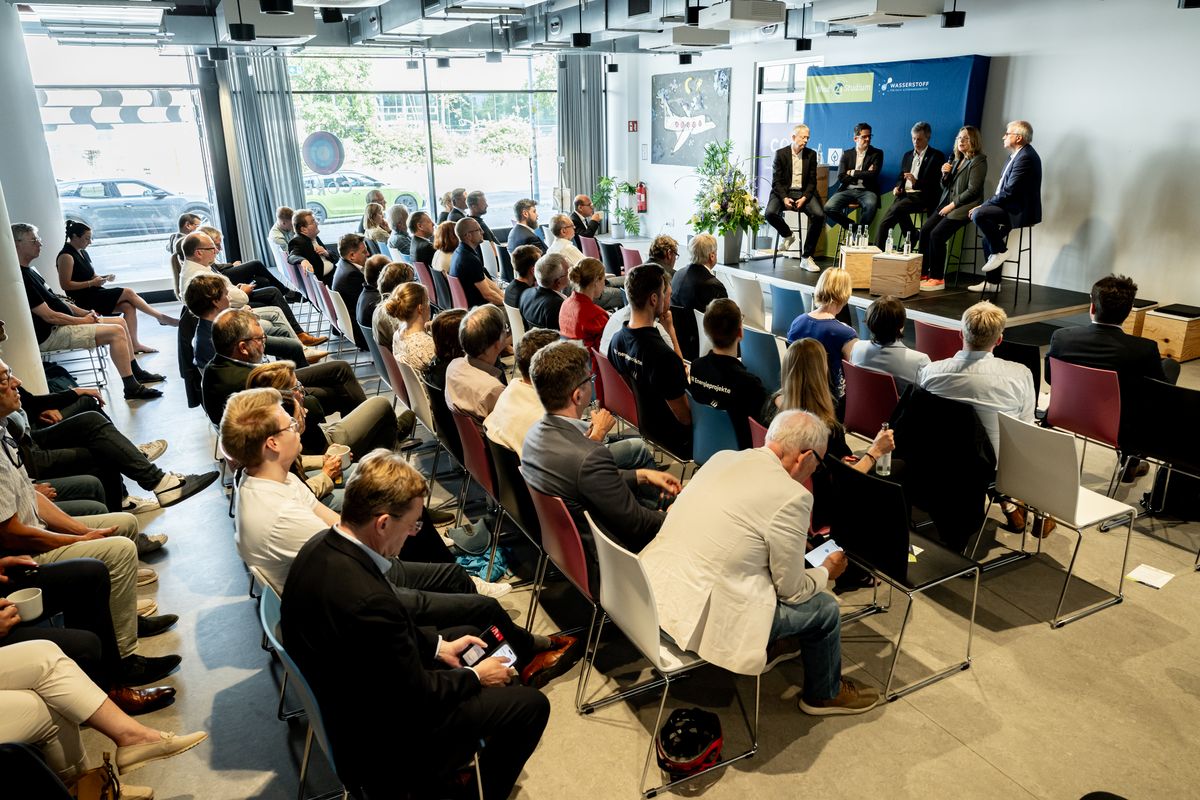
The panel at CORE discussed what is important in the next phase of the energy transition. -
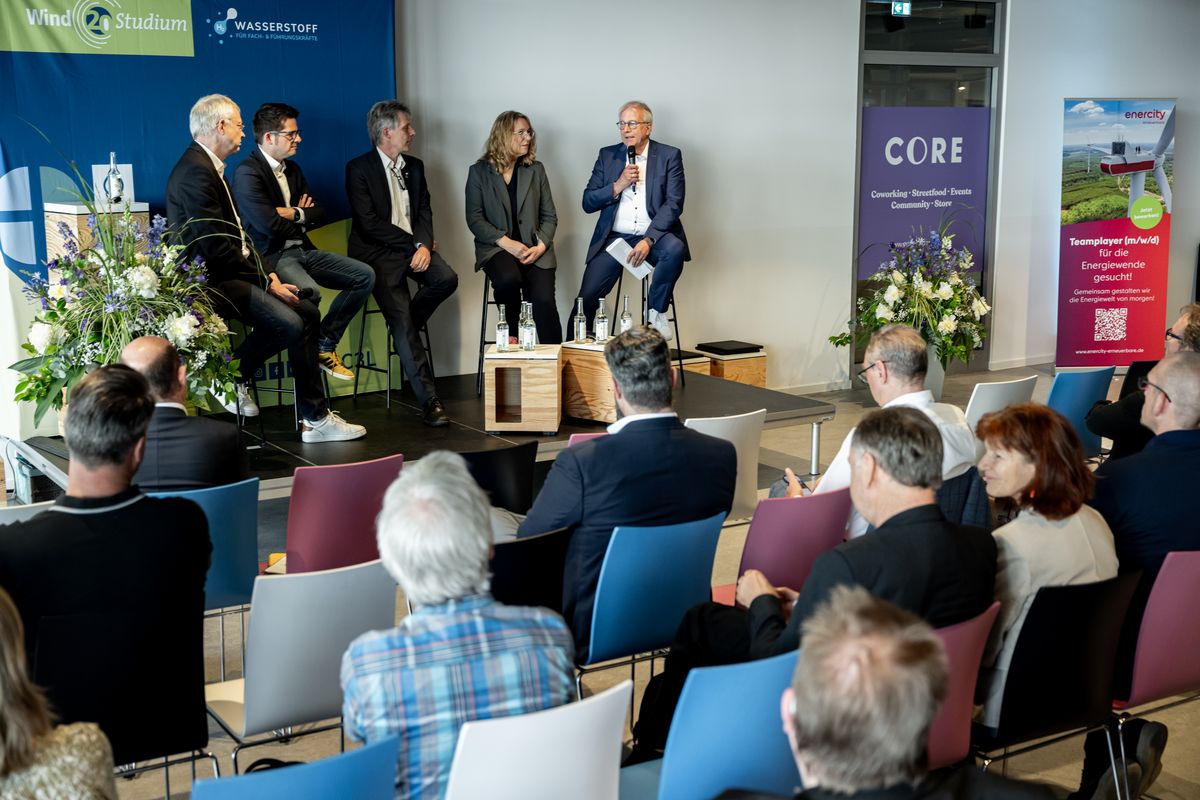
The panel at CORE discussed what is important in the next phase of the energy transition.


When will the next further education programmes start?
The next class of the part-time wind energy degree programme begins in August 2026.
The next further education course on hydrogen for specialists and managers will start in spring 2026.
The further education course on ‘Permit Procedures for the Energy Transition’ begins in spring 2026.