
Publications
Publications
List of publications
Here you will find a selection of publications from and about the collections and archives of the University of Oldenburg

Publications on the Collections and Custodies of the CvO University of Oldenburg
Volume35 Studies in Material Culture series
Booklet accompanying the exhibition Wie Wir Wissen. Interfaces between research and everyday life (2019)
Will M. (2019): Museum meets University. Collections as infrastructure for research and teaching. Contribution to the collection conference TRANSFERZONEN - Universität│ Sammlung│ Öffentlichkeit, 11-13 July 2019 Münster (poster).
Will M. (2020): Museum meets University: the collections of the LMNM Oldenburg as infrastructure for research and teaching. Nature in the museum 10, 3-5.

Publications Archive for Money and Land Reform
Publications and research reports of the Institute for
Socioeconomics

Publications on the biological collections
Publications and research reports

Publications on the didactics of physics and science communication
Publications and research reports


Publication on the poetry album collection
Walter, Stefan (2019): The state and values: Changing Values in Poetry Albums in the GDR and the Federal Republic 1949-1989. Wiesbaden: Springer VS

Publications on the collections of Eastern European music
Publications from the Archive for Eastern European Music Sources and Research series

Publications on the Collection of Everyday Textile Culture
Publications and research reports
Materia: Journal of the Textile Everyday Culture Collection
During the summer semester of 2024, students worked with Dr Klara von Lindern on a seminar project to produce their own fashion magazine using items from the STAK collection. The magazine is entitled *Materia: Journal of the Collection of Everyday Textile Culture*. Drawing on the objects in the collection and their histories, the students wrote a wide variety of articles centred on the key themes of ‘Clothing and Gendering’ and ‘Slow Fashion and Repair Practices’. We invite you to discover the STAK and its objects from new perspectives – very much in keeping with the magazine’s subtitle: ‘More than just fabric!’
You can download the journal as a PDF filehere.
All fake?! Image editing and fashion magazines
As part of the seminar, we explored, amongst other things, the criticisms levelled at fashion magazines. We frequently touched upon the issue of how edited photographs distort reality. To address this topic in a practical way in our magazine, we decided to show our editorial photo here once in its unedited form and once in its edited form, as it appears in the magazine:
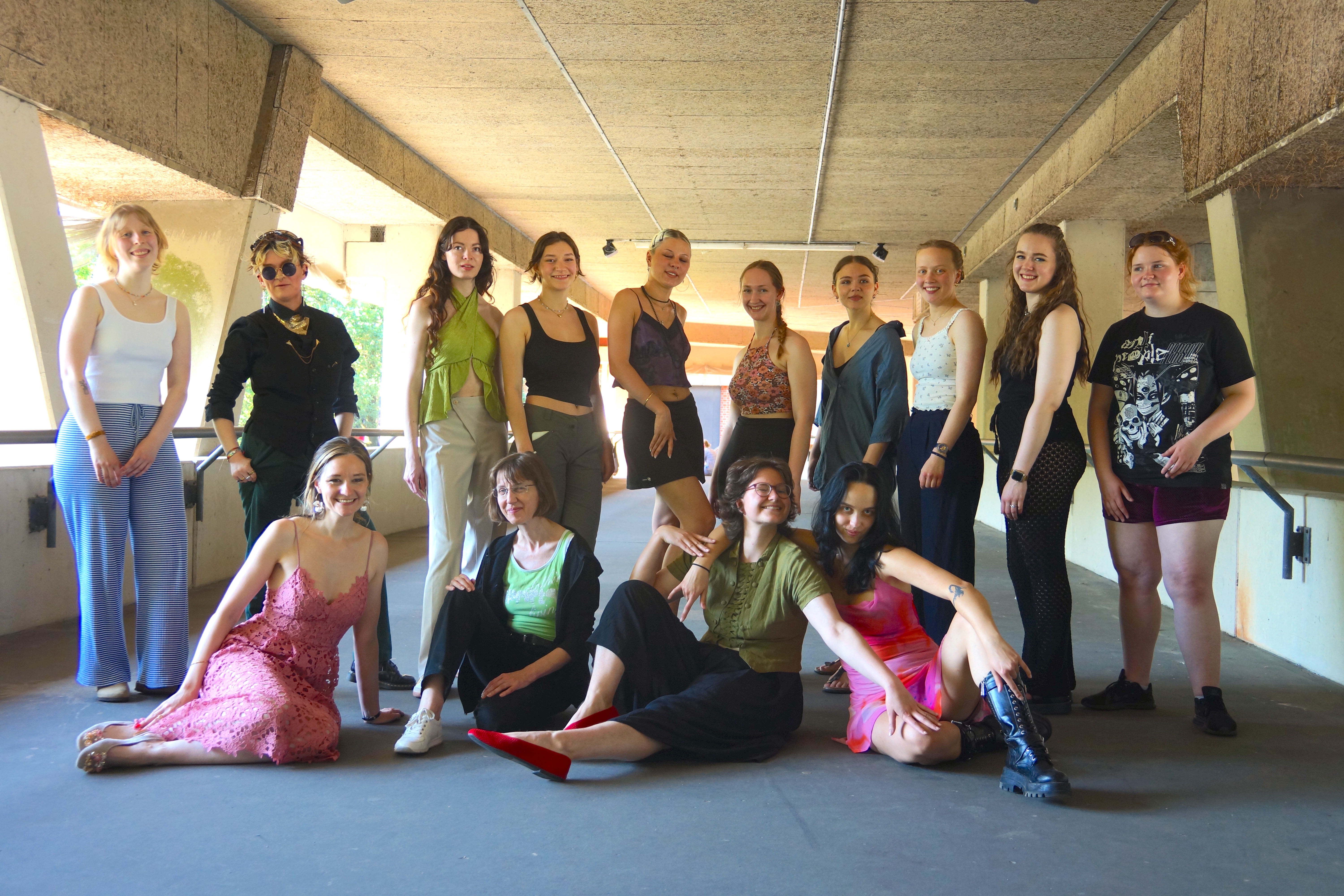
The team behind *Materia: Journal of the Collection of Everyday Textile Culture* ( not all present), edited version
© Collection of Textile Everyday Culture/Klara von Lindern

The team behind *Materia: Journal of the Collection of Textile Everyday Culture* ( not all present), unedited version
© Collection of Textile Everyday Culture/Klara von Lindern
Traditional costume on display! Student perspectives on the early traditional costume of Schaumburg
 .
. 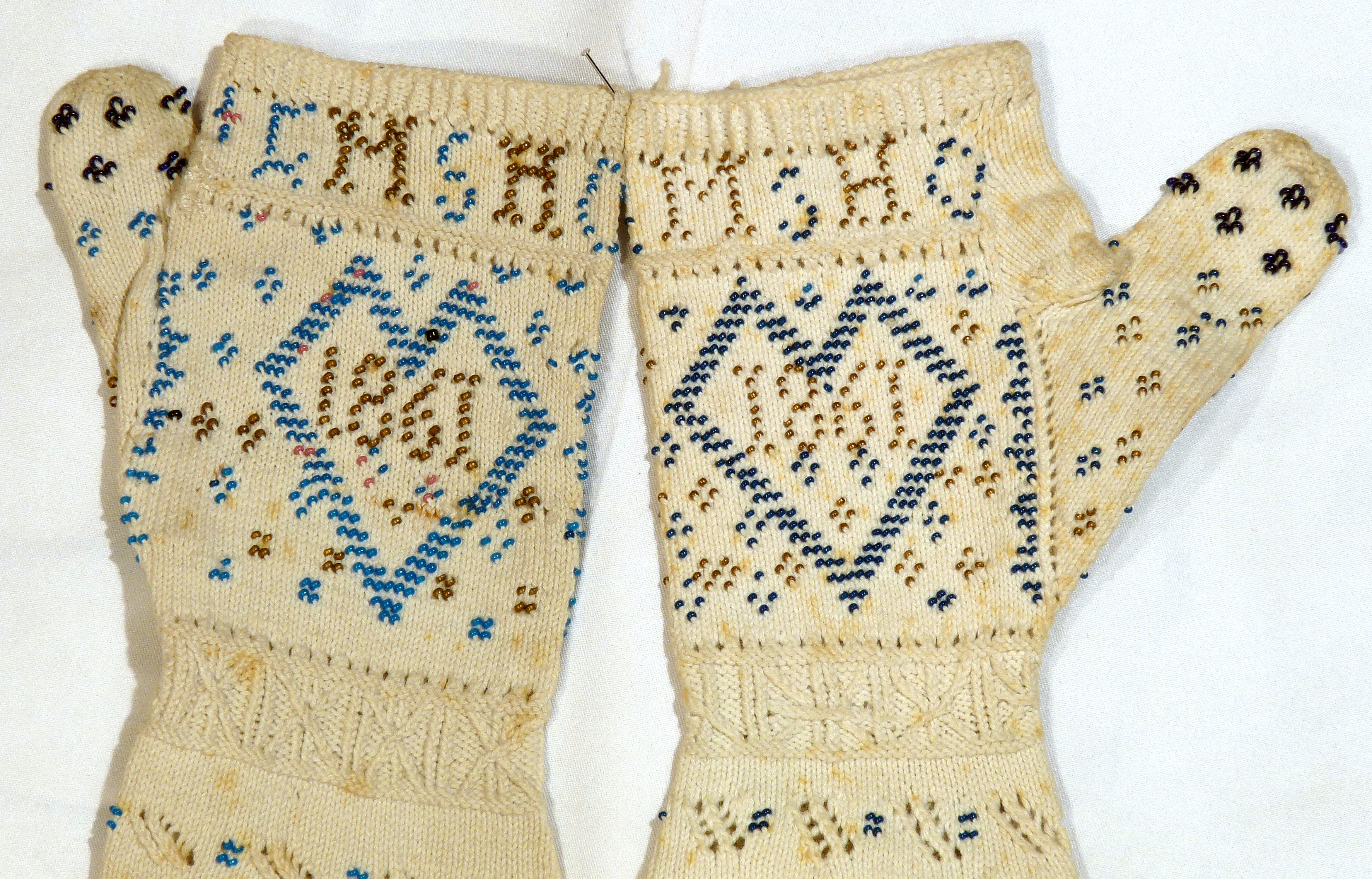
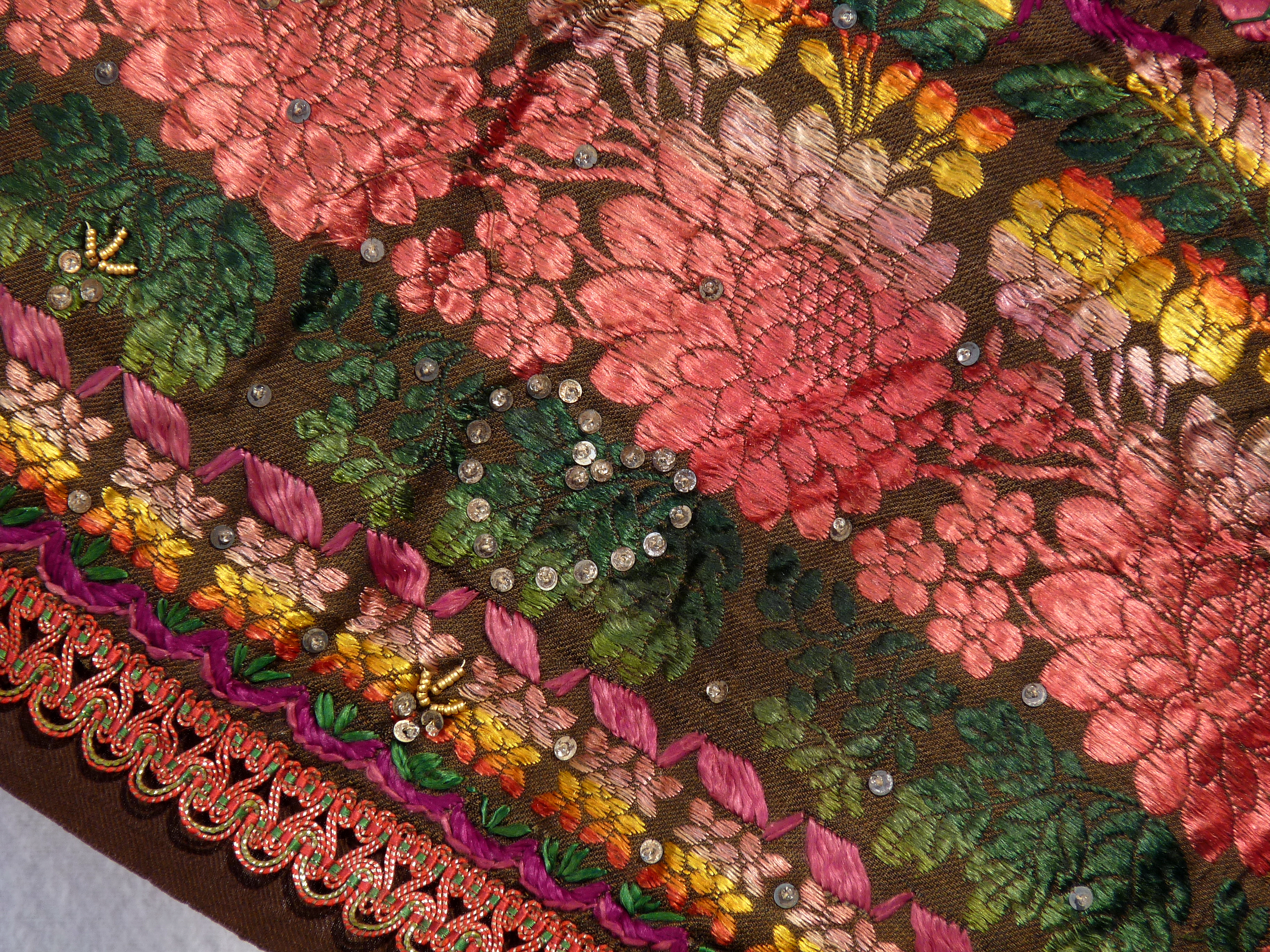
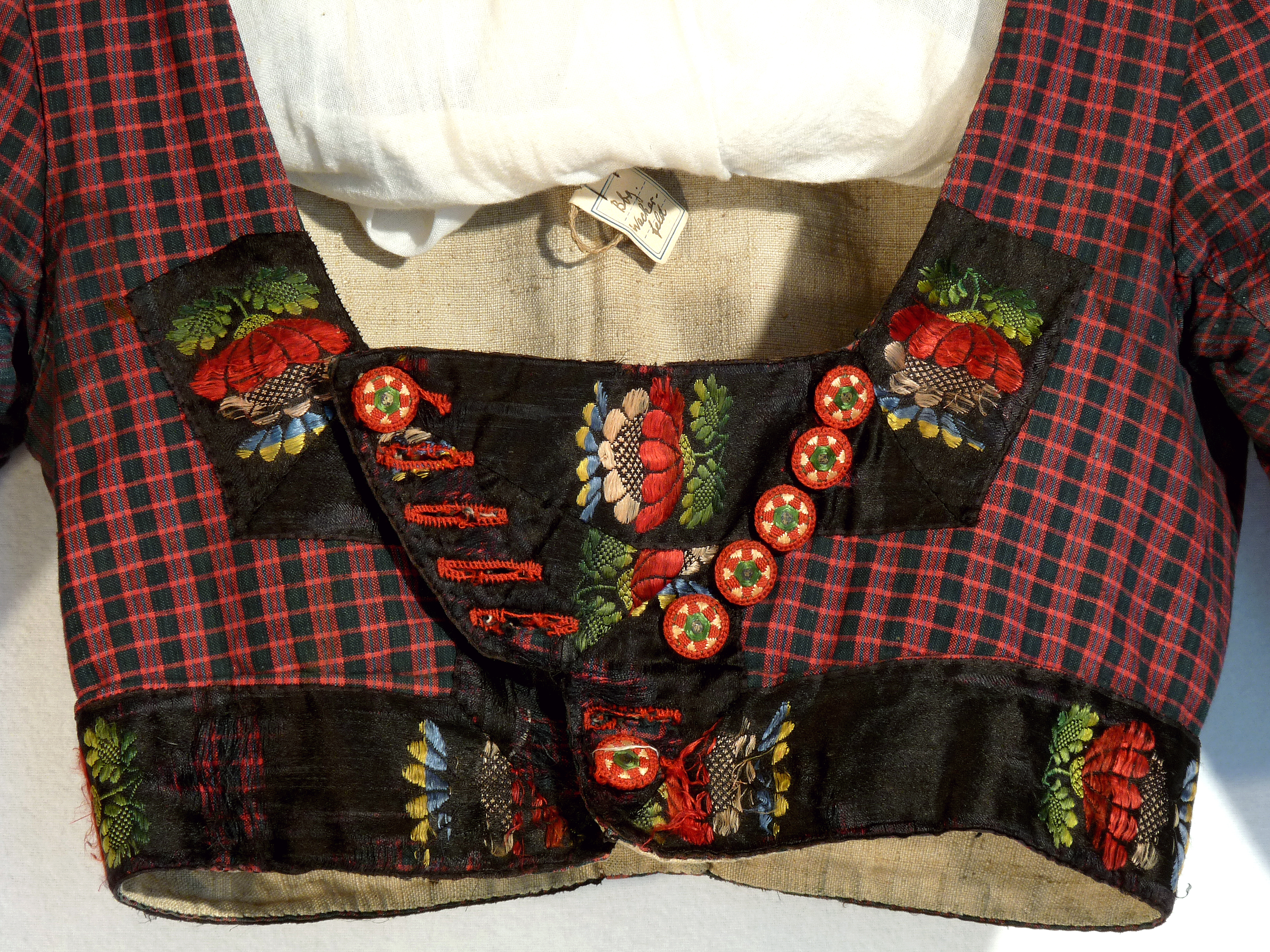
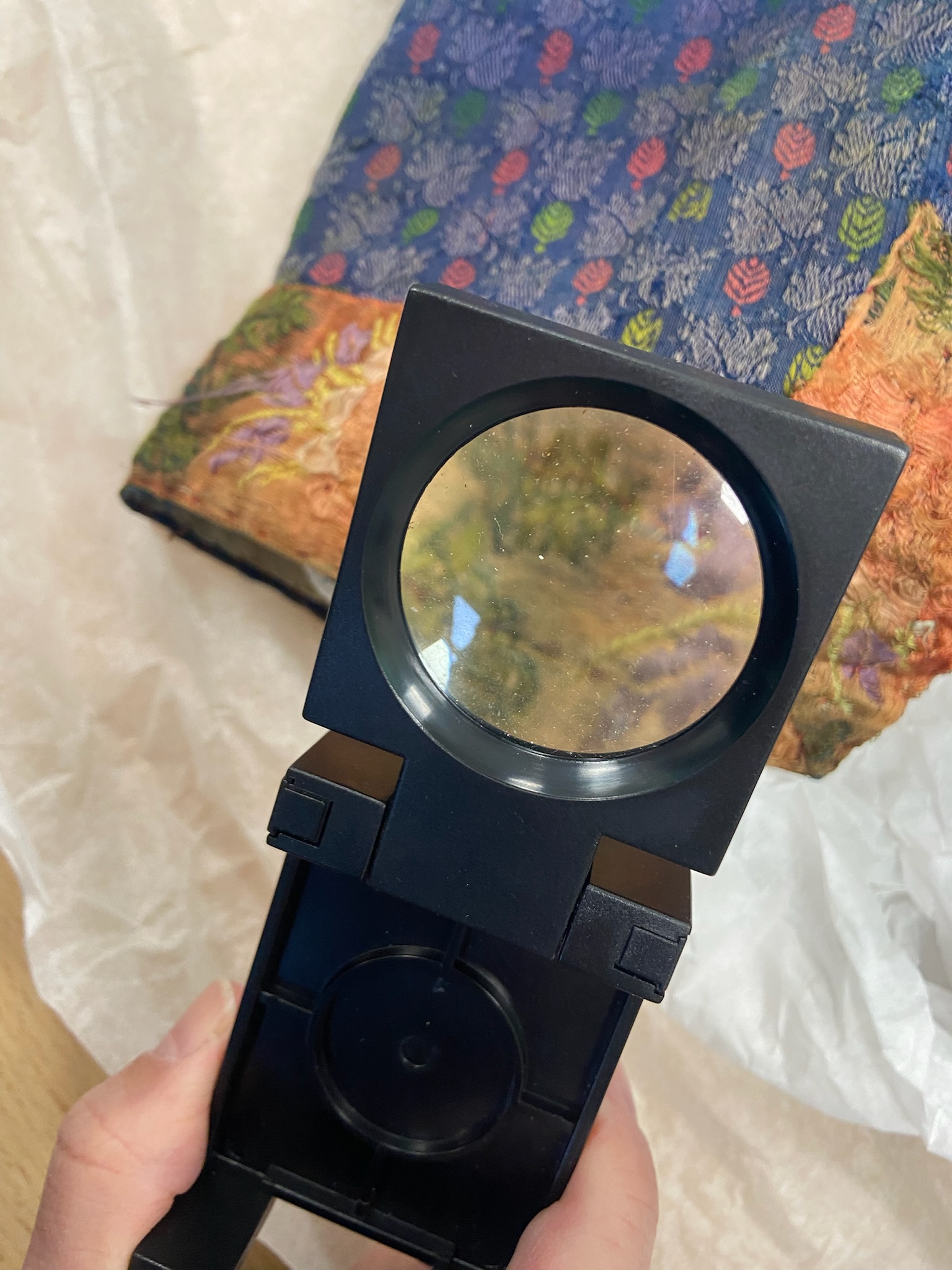
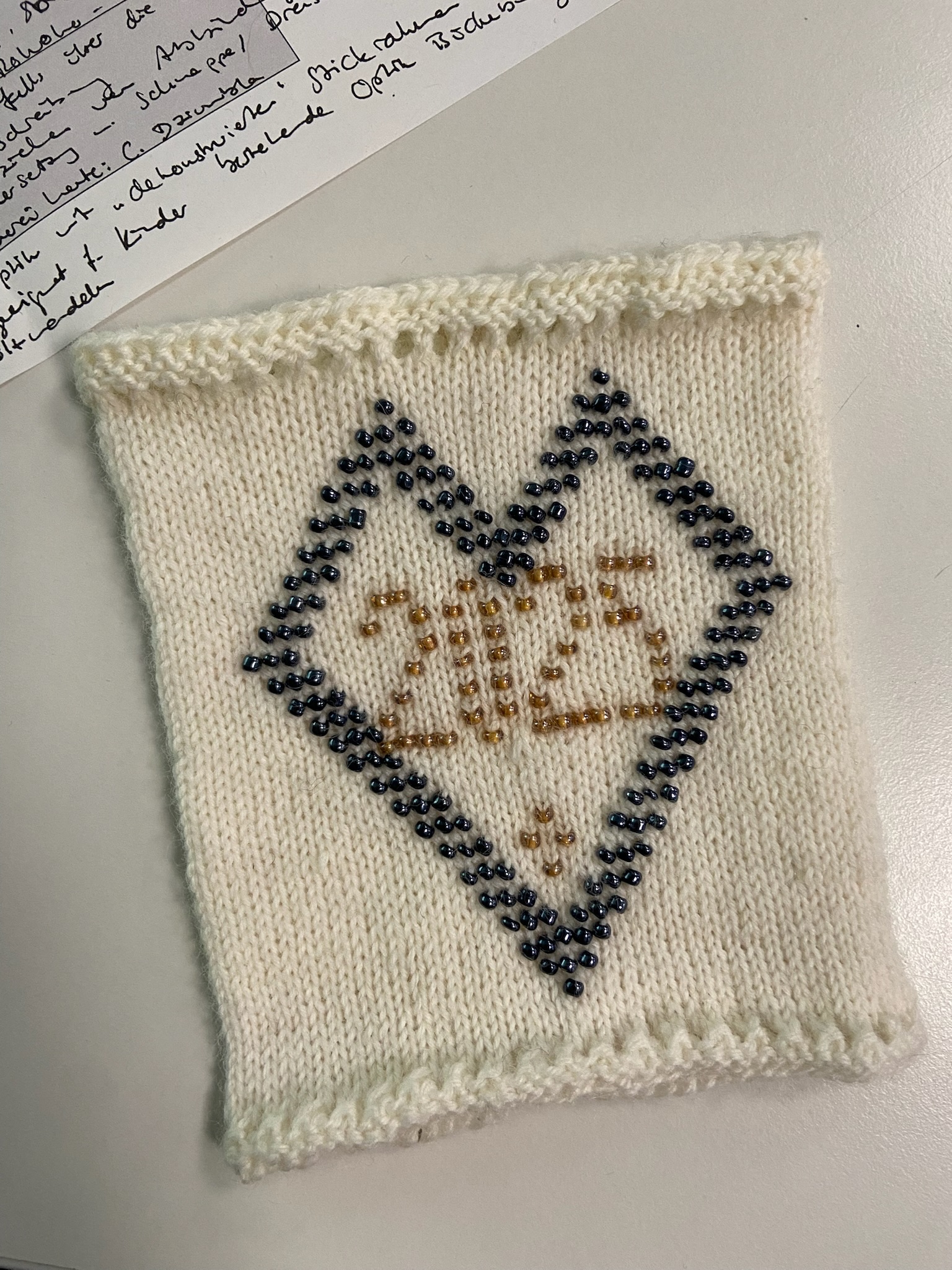
During the 2024/25 winter semester, students worked with Dr Klara von Lindern in a project seminar to develop strategies for the (museum-based) presentation of traditional costume. The seminar took place in co-operation with the Bückeburg Museum of Local History and Schaumburg-Lippe Regional History (Dr Anke Twachtmann-Schlichter / Nadine Werel M.A.) as part of the research project ‘Early Schaumburg Traditional Costume: A Fashion Cosmos of Its Own ’, which was jointly proposed with the Institute of Material Culture and funded by Pro*Niedersachsen. The museum provided original artefacts for the seminar, which the students used to develop educational approaches and presentation concepts. As part of the research project, not only is early Schaumburg traditional dress – which represents a unique feature of the museum and has so far been insufficiently documented and researched – being examined, but a special exhibition is also being created in which objects and research findings will be presented together. The aim of the students’ projects was to develop ideas for potential inclusion in the special exhibition. However, due to limited space, not all concepts could be incorporated. This led to the idea of producing a magazine to document all the concepts and, at the very least, showcase them to interested parties on paper.
 .
. 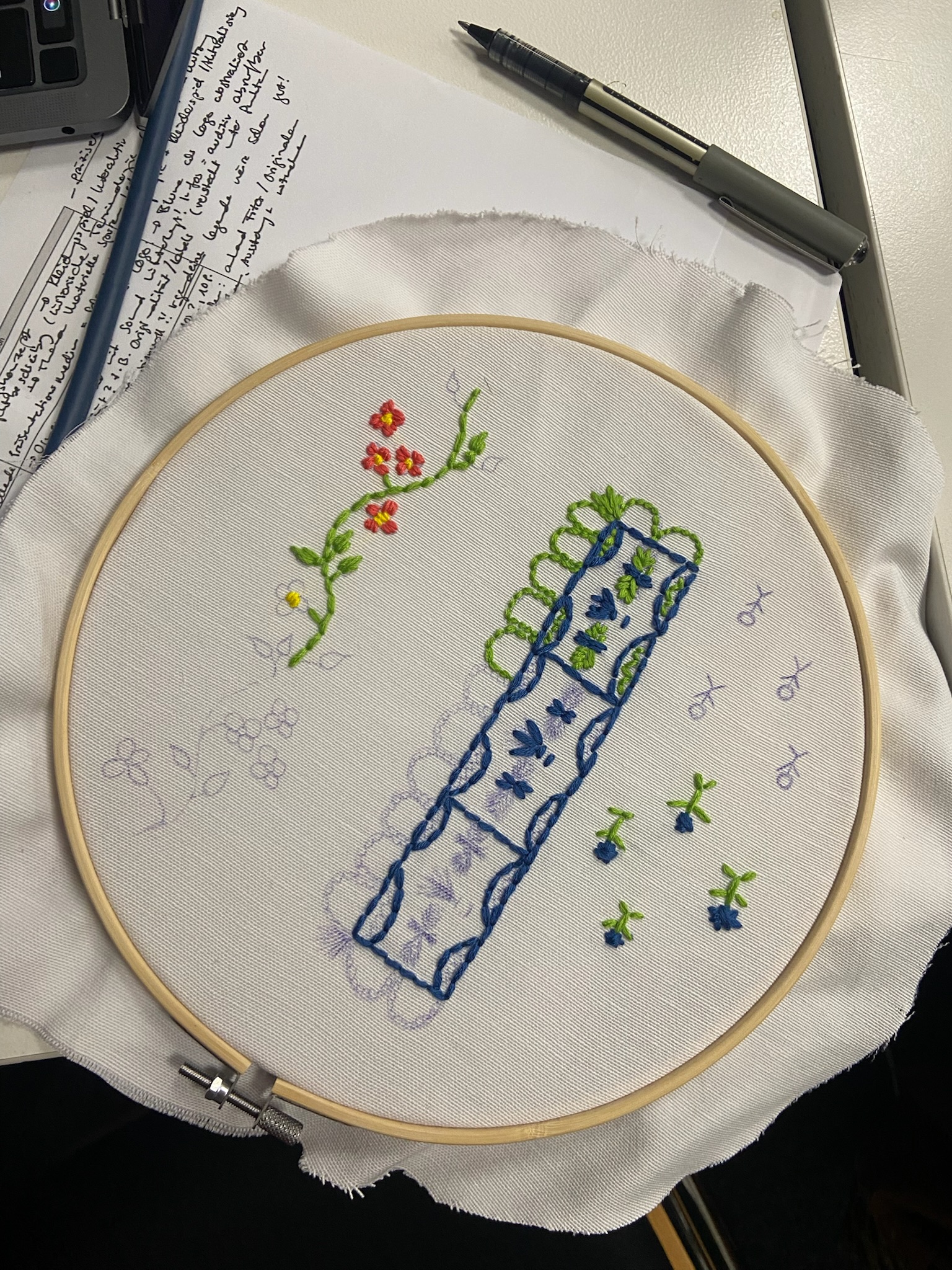
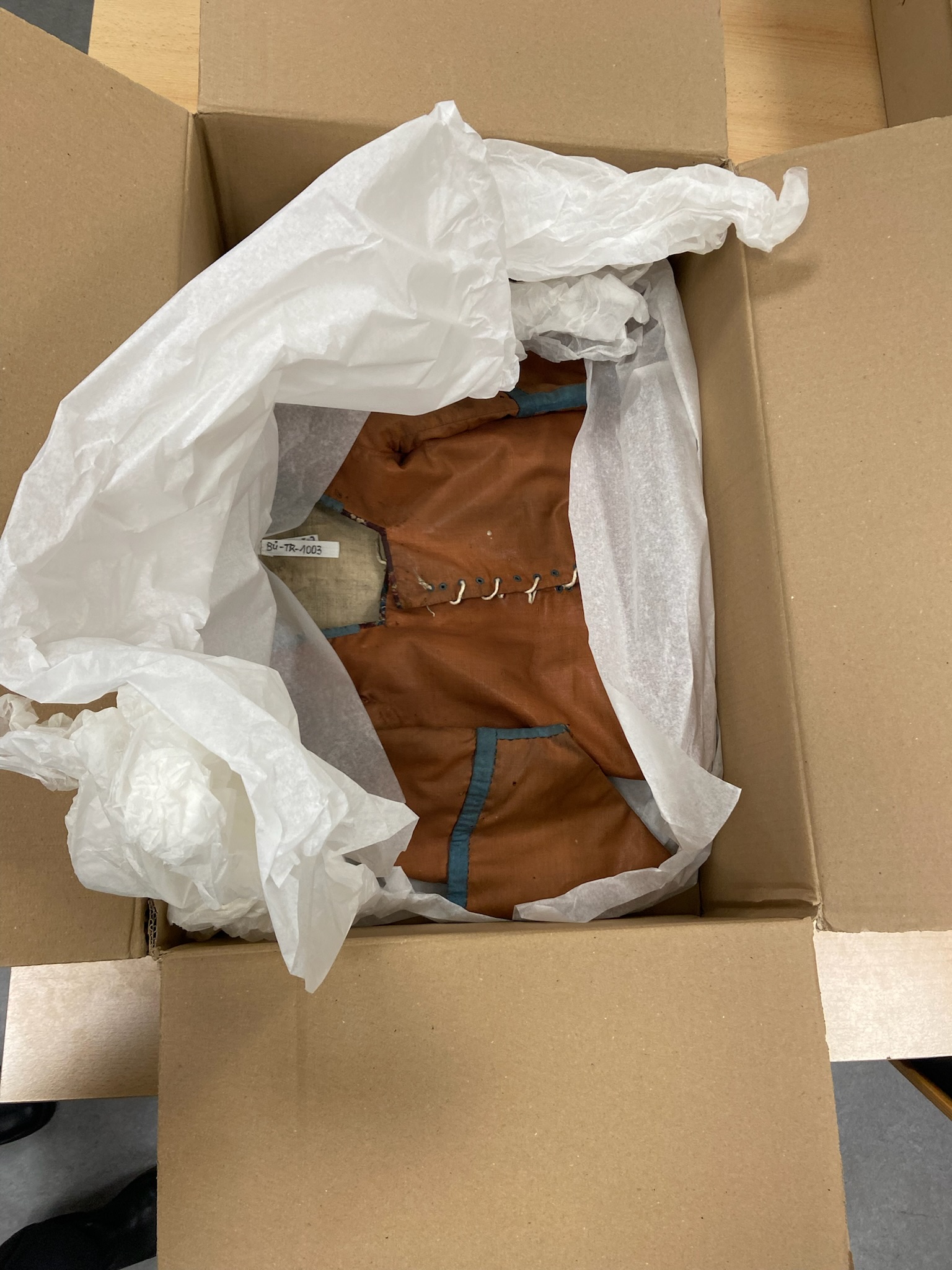
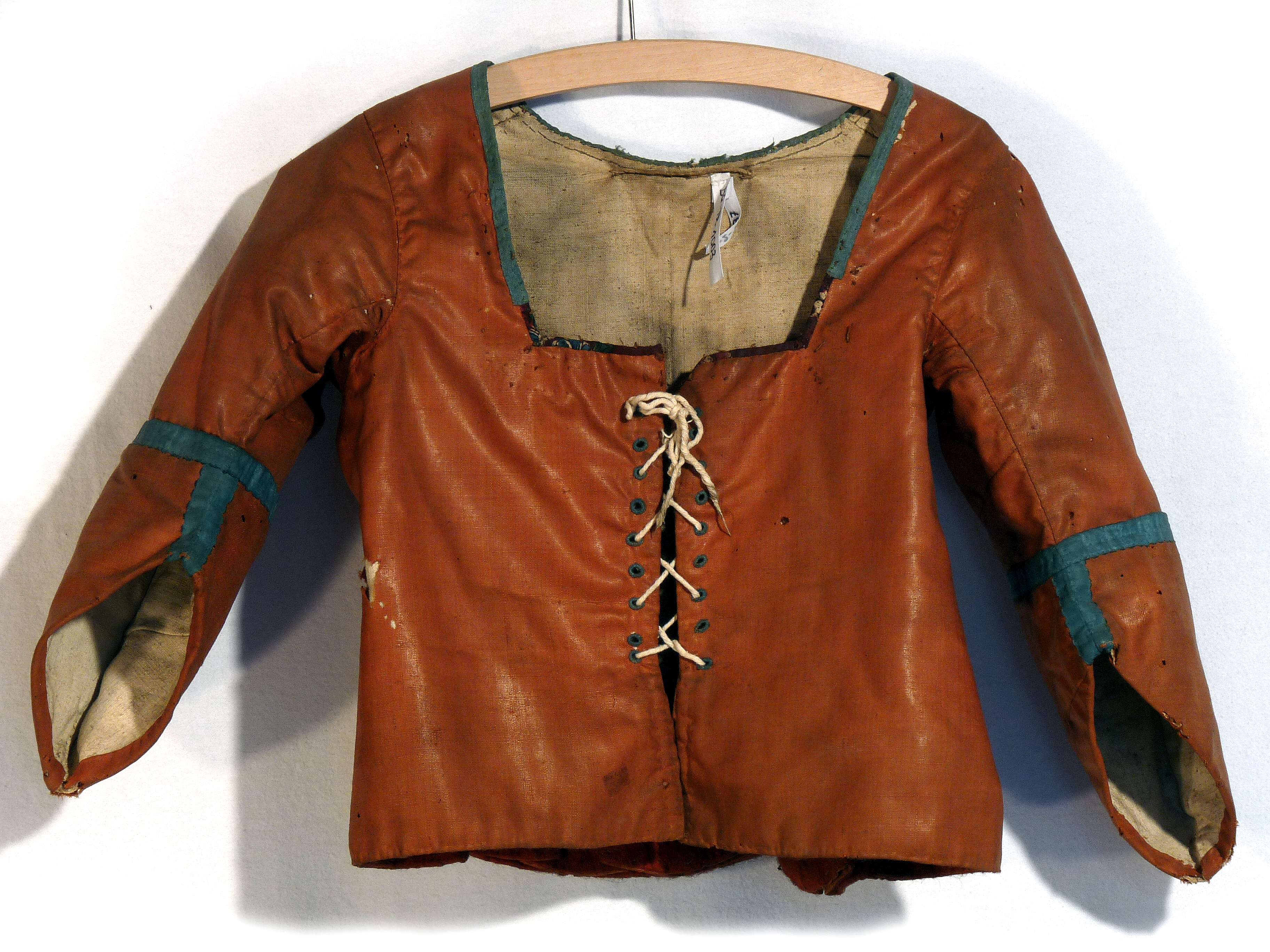
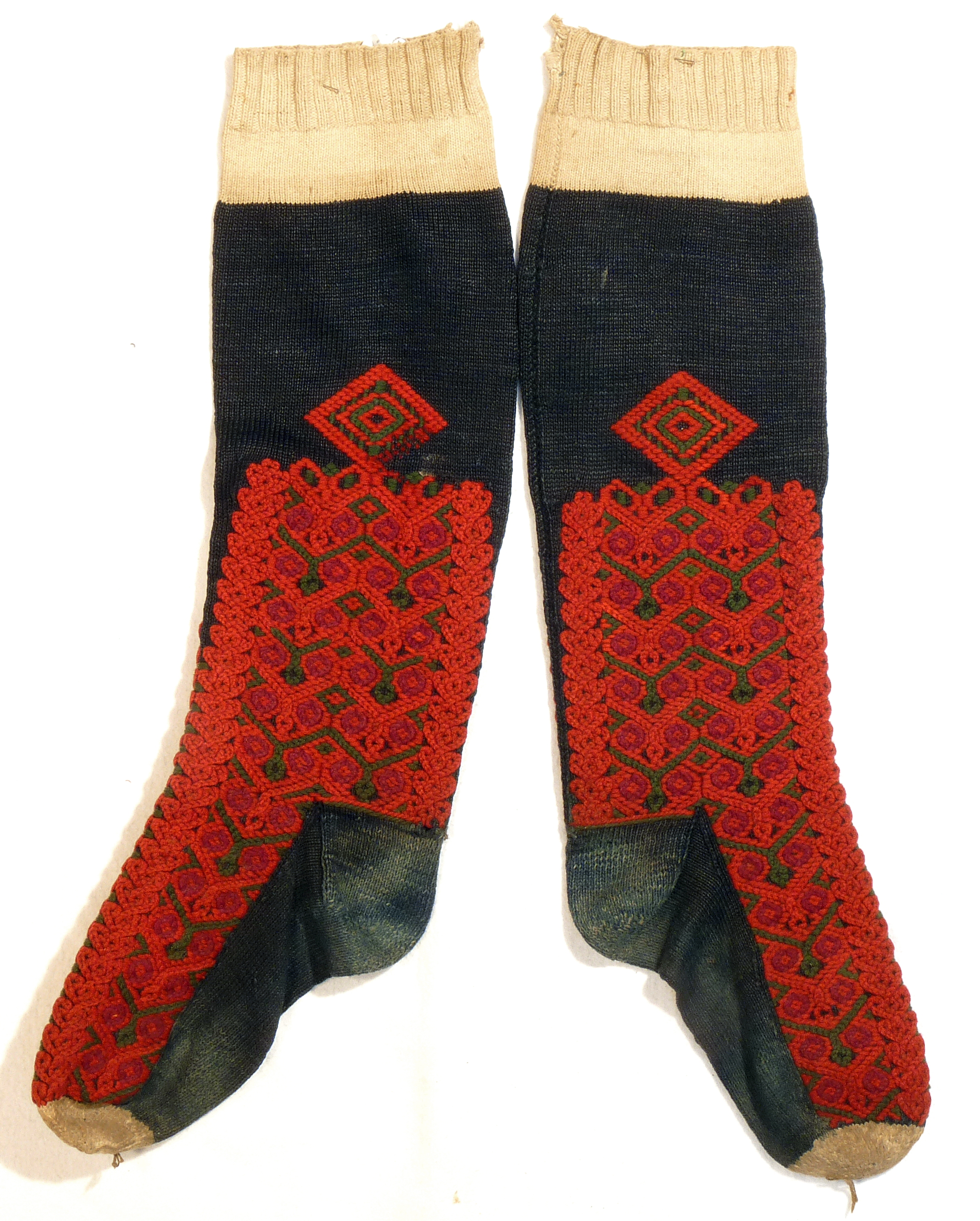
During the seminar, the students examined the objects from various perspectives. This involved, for example, questions of transculturality (traditional costume can be described as a global phenomenon), traditional costume as a concept that always combines both a sense of belonging and distinction, and traditional costume as a construct that is defined externally but is also ‘filled’ and inspired from within. However, the seminar also addressed questions arising from the individual objects in their specific materiality, which have nothing to do with their classification as ‘traditional costume’: How does bead knitting actually work, where did the fabrics, yarns or beads come from, and how long does it take to embroider a shawl? What signs of wear can be found on the object, and what do they reveal about how it was used or the physicality of the wearer? What traces of handling and storage can be identified right up to the time of its inclusion in a museum collection – traces we refer to as signs of damage, such as moth-eaten areas or light damage?
 .
.
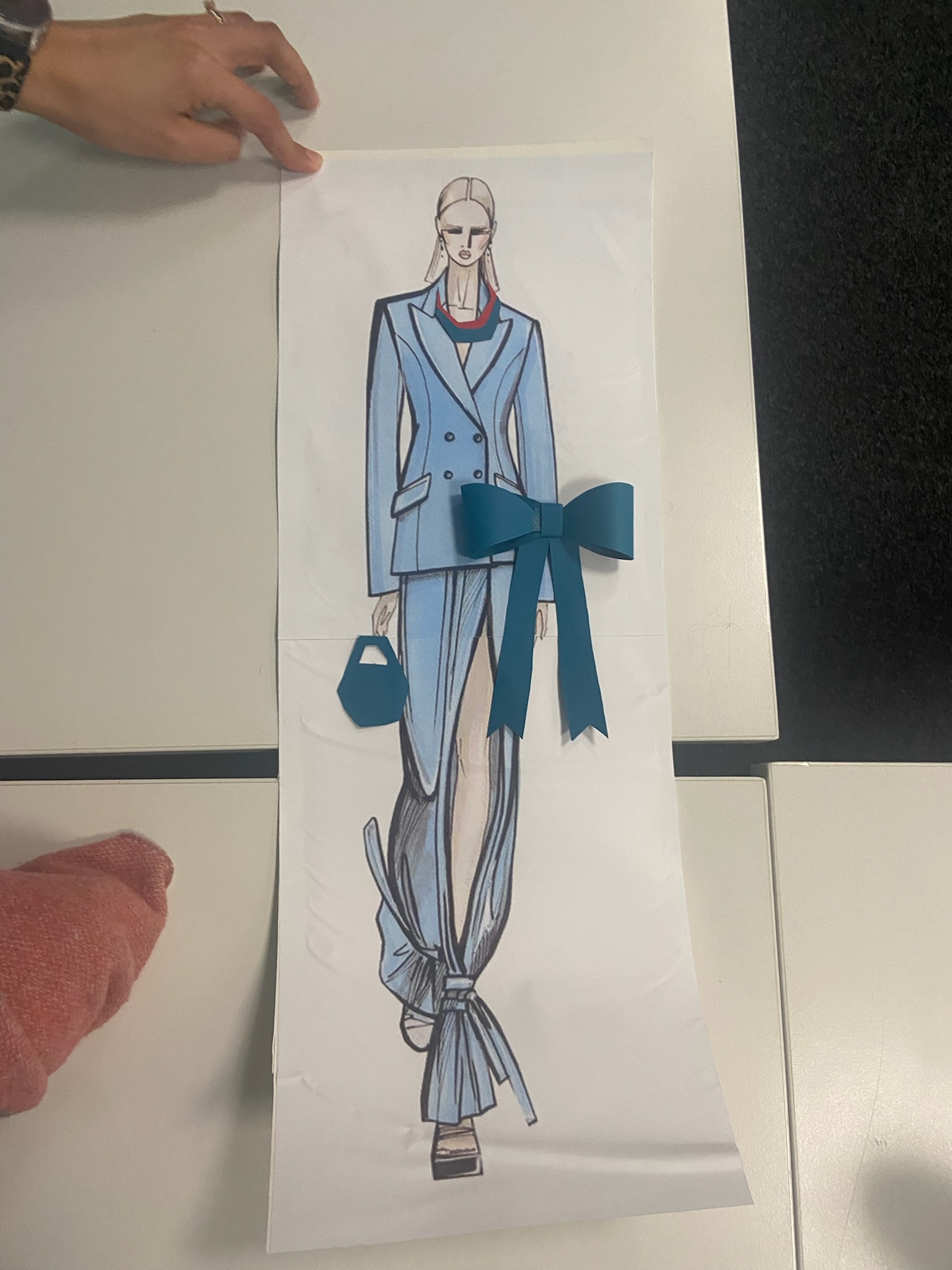
Building on these questions, the students developed their educational ideas, which are aimed at a broad audience and highlight the potential of museums as (out-of-school) learning environments and as venues for cultural education. There are workshops for school pupils that can be incorporated into history or textiles lessons. There are presentation concepts which, through comparisons with contemporary textual and visual sources, demonstrate that the boundaries between ‘fashion’ as a changing phenomenon and ‘traditional costume’ as a stable one are constructed and , in fact, untenable. There are concepts for digital educational programmes that break down certain barriers and broaden the potential target audience. However, all these ideas have one thing in common: the approach of highlighting the diverse connections between early Schaumburg traditional dress and our everyday lives today, whilst at the same time raising awareness of the unique characteristics of these objects.
Have we piqued your curiosity? Then feel free to download our magazine here!
Photos: © Museum Bückeburg / Klara von Lindern
Tracht on Display – Download the magazine
