

University students have been producing a live radio programme since 2013. Good preparation and technical expertise are required. However, they have taught themselves most of it. A visit to the studio.
"Hello and welcome to today's campus radio programme," Sarina Lux welcomes the listeners this evening. "A very special programme awaits you," she says into the microphone. Then she nods to Lennart Dreyer - who announces the programme's topics. At his signal, Jos Kayser, responsible for the technology today, turns up the controls. Now it's time for some music.
The three students have already been in the studio at the local radio station Oeins for an hour. There are a few things they have to do before each programme: Power up the equipment, check the microphones, play over the music. This is now routine for them. Sarina, who is studying Art and Media and English, has been involved since the first campus radio programme in November 2013. Chemistry student Jos joined just over a year ago.
The two are now responsible for the programme and ensure that everything runs smoothly. "Good preparation is important," says Jos, "because we broadcast live. Twice a month, every first and third Thursday." "Tabula Rasa", for example, is the name of the second programme of the month, which has a specific core topic. There have been programmes about the North Sea, the 90s, poetry and prose and many more. "We usually have studio guests who can talk about the topics. For the North Sea programme, we invited the sea rescuers," says Sarina.
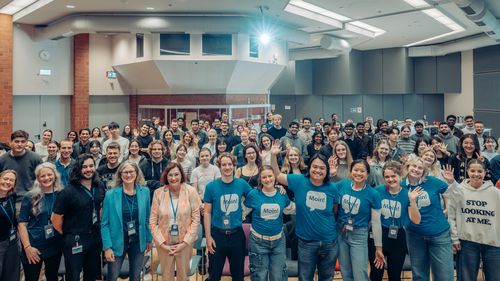
Eight students are currently working on the campus radio programme. They meet once a week for an editorial conference, discuss topics, distribute broadcasting schedules and tasks. "There are sometimes more and sometimes fewer students," says Jos. "The more we are, the more colourful and interesting the programmes become," adds Sarina. New people who want to do radio are always welcome. Working for campus radio can even count as an internship in some degree programmes. "Anyone can join in, with or without previous experience, regularly or occasionally," says Sarina.
The students organise everything themselves. They develop concepts, conduct interviews and edit their contributions. "Learning by doing" is the motto at campus radio. Every now and then something goes wrong. The moderation starts too late, the music starts too early - not all that bad. "We're here to learn and that works best in practice," says Sarina. They can usually laugh about their mistakes, which is why they pulled the funniest slips of the tongue and bloopers from the archive a few weeks ago. Sarina turned them into a contribution for a programme. "I already laughed a lot during the preparation."
Fun and a good atmosphere are important at campus radio. That's why everyone can suggest topics and realise their own ideas. For example, the programme is spontaneously presented in English or talked about God and the world live. Jos, who alternates presenting with Sarina, has not had a preconceived moderation for a long time. "When I presented for the first time, I wrote ten pages for myself," he remembers and laughs. "A spontaneous presenter sounds more authentic and that goes down much better with listeners," adds Sarina. And that's how she presents the programme today - without prescribed notes, spontaneously and authentically.