


What secret is hidden behind the most famous owl lady in film history and what juicy detail is behind the purple loosestrife? Guests to the Botanical Garden can find the answers to these and other questions in two audio guides.
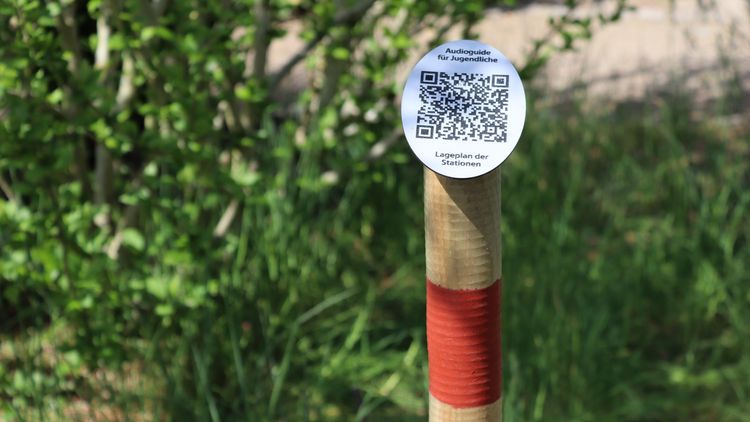
They are a majestic sight: two snowy owls peer out of one of the Botanical Garden's large aviaries with glowing golden-yellow eyes. The larger animal - a female with a white and black spotted breast - seems curious, while the smaller, completely white male keeps to the background. Astonished looks from the other side of the fence, the viewer pulls out his smartphone and scans a QR code. Shortly afterwards, a familiar melody reaches the ear via headphones: the theme song to the Harry Potter films, "Hedwig's Theme" by composer John Williams.
Like here, there is currently something "to listen to" at 14 other stations in the Botanical Garden. With one of the two audio guides, the university is primarily targeting young people - to illustrate how and where flora and fauna also play a role in their lives. "This age group has often been neglected in Botanical Gardens in the past. We want to change this, among other things, by repeatedly introducing references to pop culture via our audio guide," says Dr Klaus Bernhard von Hagen, Scientific Director of the Botanical Garden. The 3.5-hectare world of the Oldenburg Gardens is full of surprises - thanks to the many unexpected and exciting references. For example, listeners learn that the owl in the Harry Potter films is actually a male and that the herbaceous plant purple loosestrife can produce offspring sexually in 18 different ways.
Eight students developed the new format for communicating science as part of the "Guided tours in the Botanical Garden" course - led by von Hagen. The audio files can be accessed not only on site, but also via the Botanical Garden's website. Every year, the seminar participants realise new and different projects.
Through the Botanical Garden via app
Visitors are met with heat and high humidity when they enter the tropical house. It croaks, hums and chirps around every corner; the poison dart frogs living here are clearly feeling at home. Even the tiny tadpoles live in the landscaped lakes, where guests can also admire a specimen of the world's largest water lily. As another audio guide from the Botanical Garden reveals, the Victoria water lily occurs naturally in the Amazon and reaches a leaf diameter of over two metres.
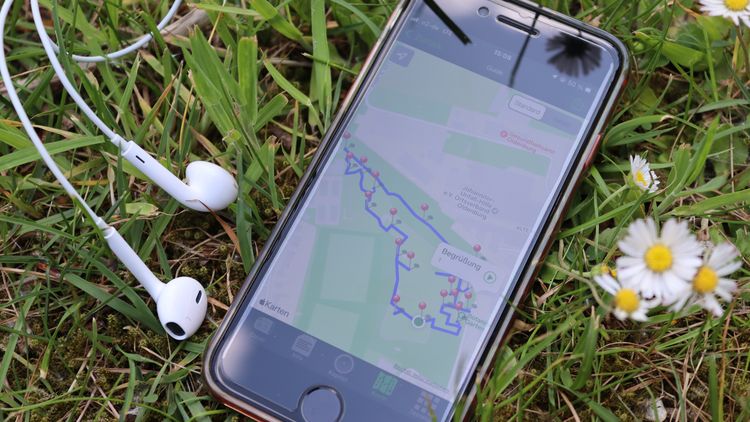
The second offer is aimed at all age groups and can be accessed using the free Hearonymus app. Interested visitors can be guided through the garden via smartphone and get to know many of the approximately 4,500 plant and animal species represented here. The audio guide was developed by student Kim Köhler as part of her Master's thesis. In a total of 19 chapters, she presents the individual areas of the Botanical Garden in short sequences of up to two minutes. Visitors can put together their own routes - with an overall plan, the app provides the necessary orientation. Fans of flora and fauna, for example, can learn lots of interesting facts about the geographical areas in which certain plants occur. They also get to know the Botanical Garden's Pharmacy Garden and Green School better.
If you take your headphones off again after the tour, you will have learnt a lot about the special diversity that has been created over the past 140 years at this place of teaching, research and recreation in Oldenburg. New formats developed by students in the seminar allow you to get to know the historical site from a new perspective - next time, you will certainly get information directly to your ear.