

India, Mumbai: Tata Institute of Social Sciences
Exchange programme: when to apply?
Applications for the exchange programme for a stay abroad in Non-EU countries (exception: North America) in the following year are due in May/June.
For the current call for applications please visit our website or check out our Study abroad newsletter.
Links & Downloads
-
 Tata Institute of Social Sciences Factsheet
India, Mumbai: Tata Institute of Social Sciences
-
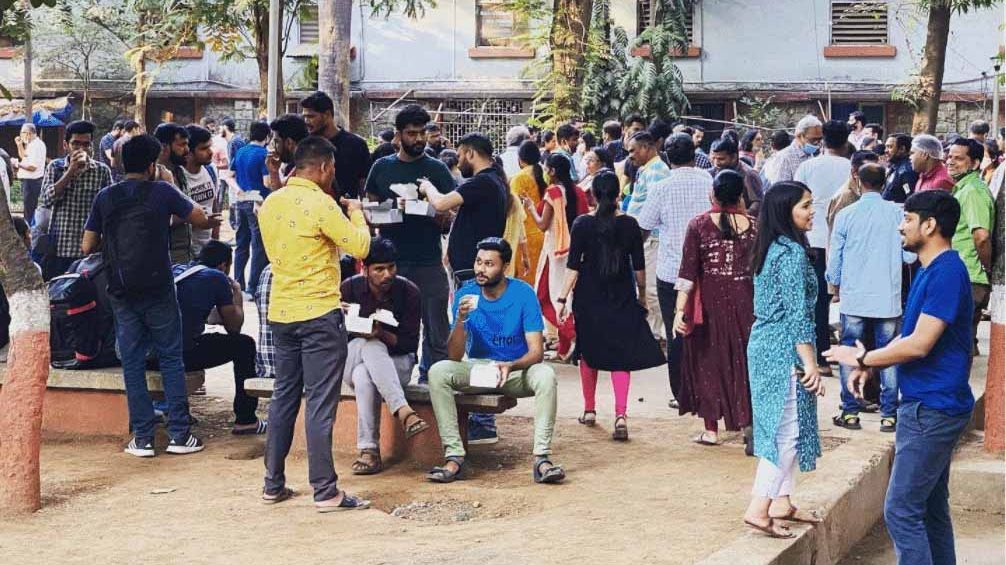
Tata Institute of Social Sciences TISS Mumbai -

Library TISS Mumbai -

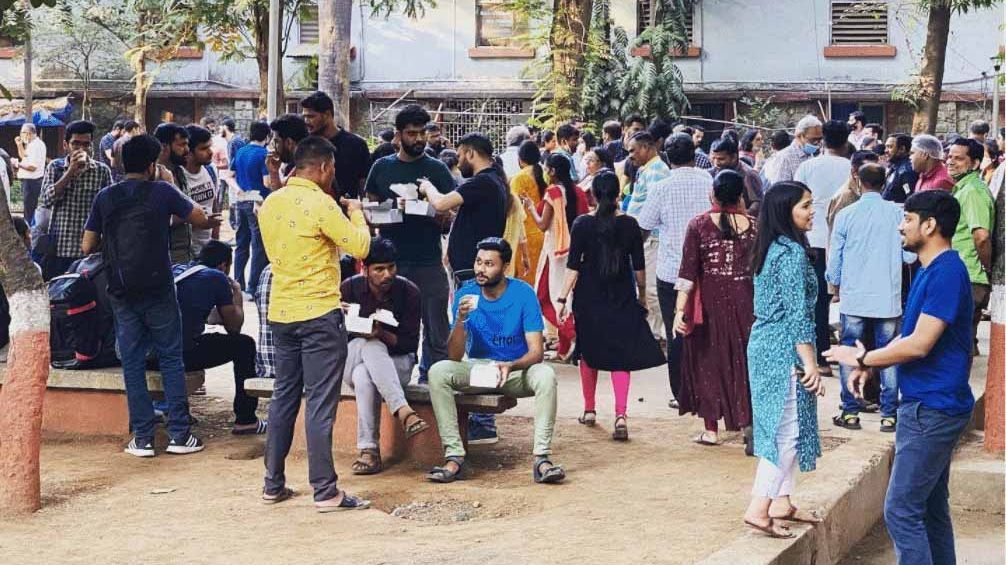
Campus TISS Mumbai -
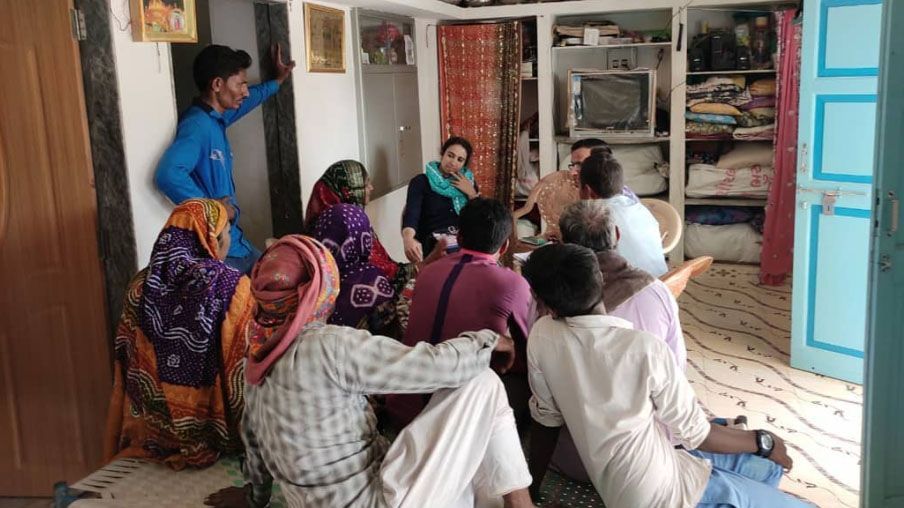
Domestic assembly TISS Mumbai -
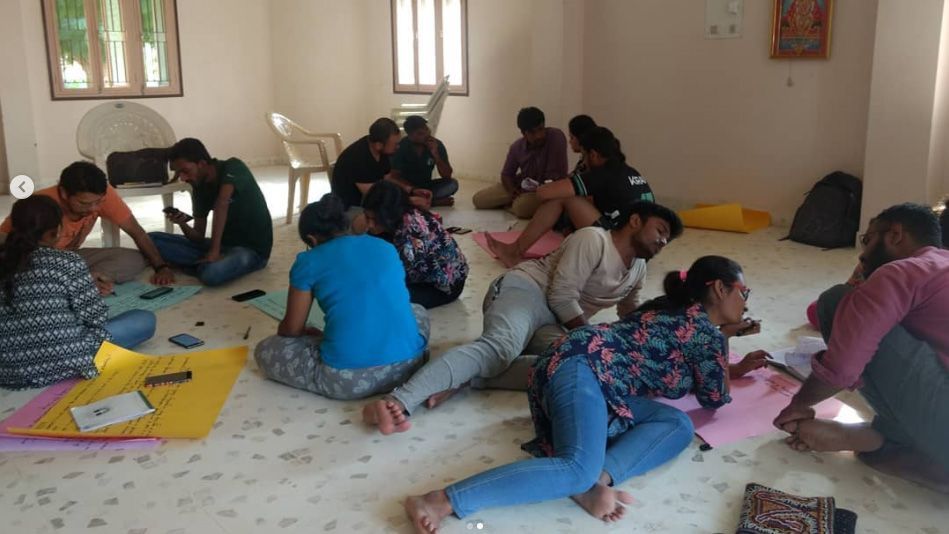
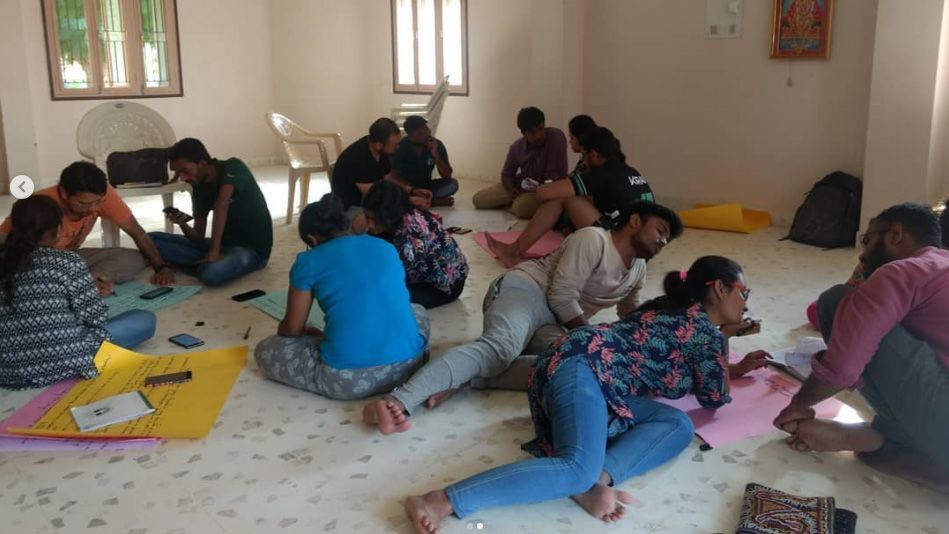
Group work TISS Mumbai -
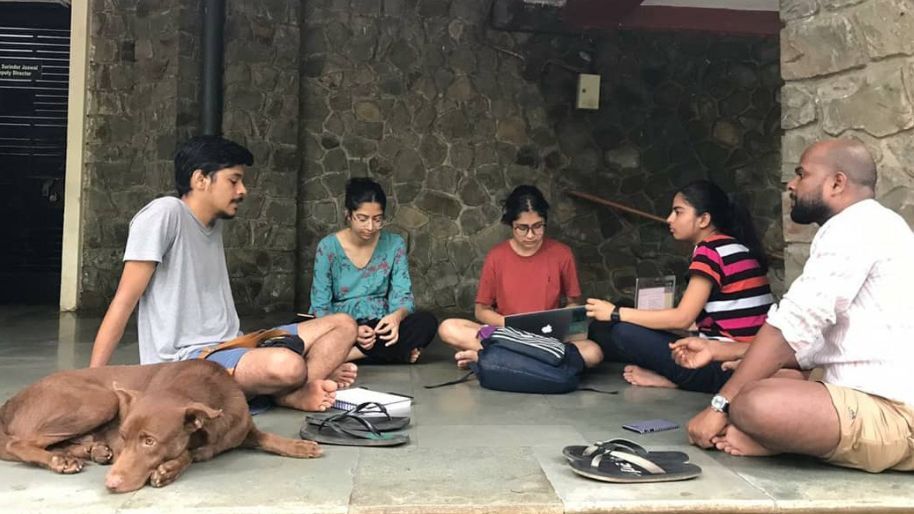
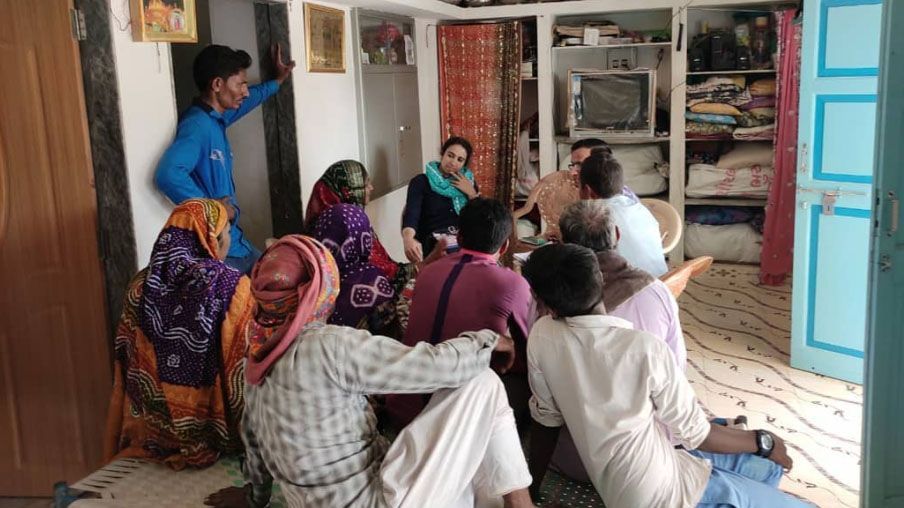
Students learning TISS Mumbai -

Student of the Tata Institute of Social Sciences TISS Mumbai -

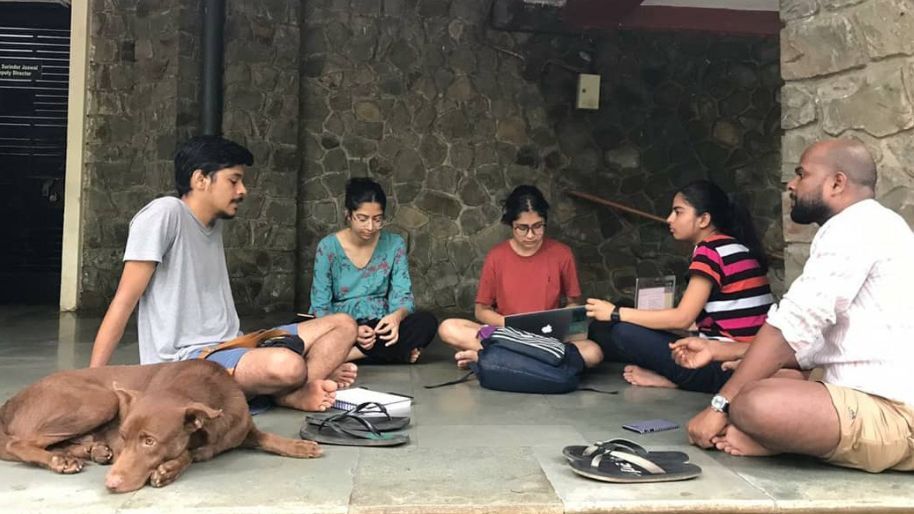
Students of the Tata Institute of Social Sciences TISS Mumbai



Application
Study
The Tata Institute of Social Sciences (TISS) is a multi-property public research university in Mumbai, India. It is Asia's oldest institute for professional social work education and was established in 1936 in the then Bombay Presidency of British India as the Sir Dorabji Tata Graduate School of Social Work by the Sir Dorabji Tata Trust. In 1944, the Institute was officially renamed as Tata Institute of Social Sciences and in 1964, the Government of India declared TISS as a recognised university. There are currently over 4,000 students studying at TISS. Oldenburg students have the opportunity to complete an internship depending on the requirements of their home university. The International Relations Office organises a 3-day welcome/orientation event at the beginning of each semester. Participation in the Welcome Week is compulsory for all new international students. Detailed information about enrolment at the University and Welcome Week will be emailed to accepted students.
Everyday life
Mumbai is a huge metropolis and one of the most populous cities in the world with almost 13 million people. It is the cultural capital of India, full of colour and life. Mumbai is a place where billionaires live side by side with extreme poverty. More than half of Mumbai's population lives in slums. Mumbai is divided into six zones. These are divided into 24 wards.
The city of Mumbai is located in the tropical climate zone. The average annual temperature is 26.7 degrees Celsius. Due to its proximity to the sea, temperatures are even and not subject to major fluctuations. The coolest month is January with an average of 23.9 degrees Celsius, the hottest month is May with a monthly average of 29.7 degrees Celsius. The city's biggest environmental problems include inadequate disposal and purification capacities for waste water, exhaust fumes and waste. Public buses, auto-rickshaws and private cars contribute to air pollution.
Mumbai is a cultural centre and attracts talented classical and modern Indian music, dance and theatre artists from across the country. The city has numerous bars and clubs. Jazz bars compete with salsa, tabla, dance music and funk venues. Since 1992, the "Banganga Music Festival" has been organised every year on two days in January. On both days, well-known Indian musicians and dancers perform at eight historic temples built in a circle around the Banganga Tank.
There is accommodation for students and academics on campus. The rent for this accommodation varies depending on the type of accommodation and can range from Rs. 500 to Rs. 2,000 (between €6 and €24) per day. For meals, canteens are available on campus, which usually cost around Rs. 40 (about 0.50€) per meal. The cost of living in Mumbai is higher than in many other cities in India. Housing costs in Mumbai are particularly high and a one-bedroom flat near the university can cost at least Rs. 20,000 (approx. 240€) per month. In addition to rent, expenses such as food, transport, personal expenses and leisure activities cost at least another Rs. 8,000 - 10,000 (95€-120€).
Formalities & interesting facts
Important: If you are staying in India for longer than six months, you must register with one of the Foreigner Regional Registration Offices (FRRO) within 14 days of arrival. Foreigner Regional Regristration Offices (FRRO). It is strongly recommended that you take out additional international or travel health insurance. It is also advisable to check any other existing insurance policies (accident and liability insurance). The Examinations Office at the University of Oldenburg provides a convenient way of transferring credits relevant to your studies in Germany.
Transferring relevant credits for your studies in Germany is easy via the Academic Examinations Office of the University of Oldenburg. Information on credit transfer for studying in Oldenburg