

Japan, Sendai: Tohoku University
Exchange programme: when to apply?
Applications for the exchange programme for a stay abroad in Non-EU countries (exception: North America) in the following year are due in May/June.
For the current call for applications please visit our website or check out our Study abroad newsletter.
Links & Downloads
-
 Tohoku University Guide for Exchange Students
 -
 Tohoku University Handbook for International Students
 -
 Tohoku University University Guide for prospective international students
Japan, Sendai: Tohoku University
-
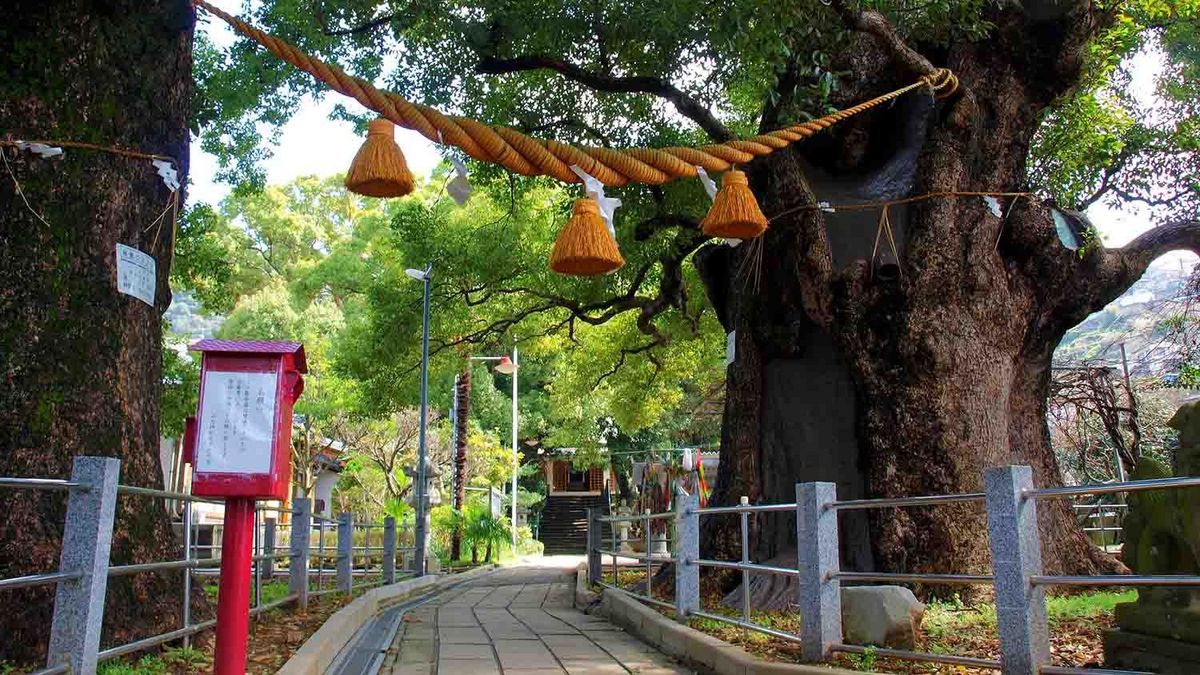
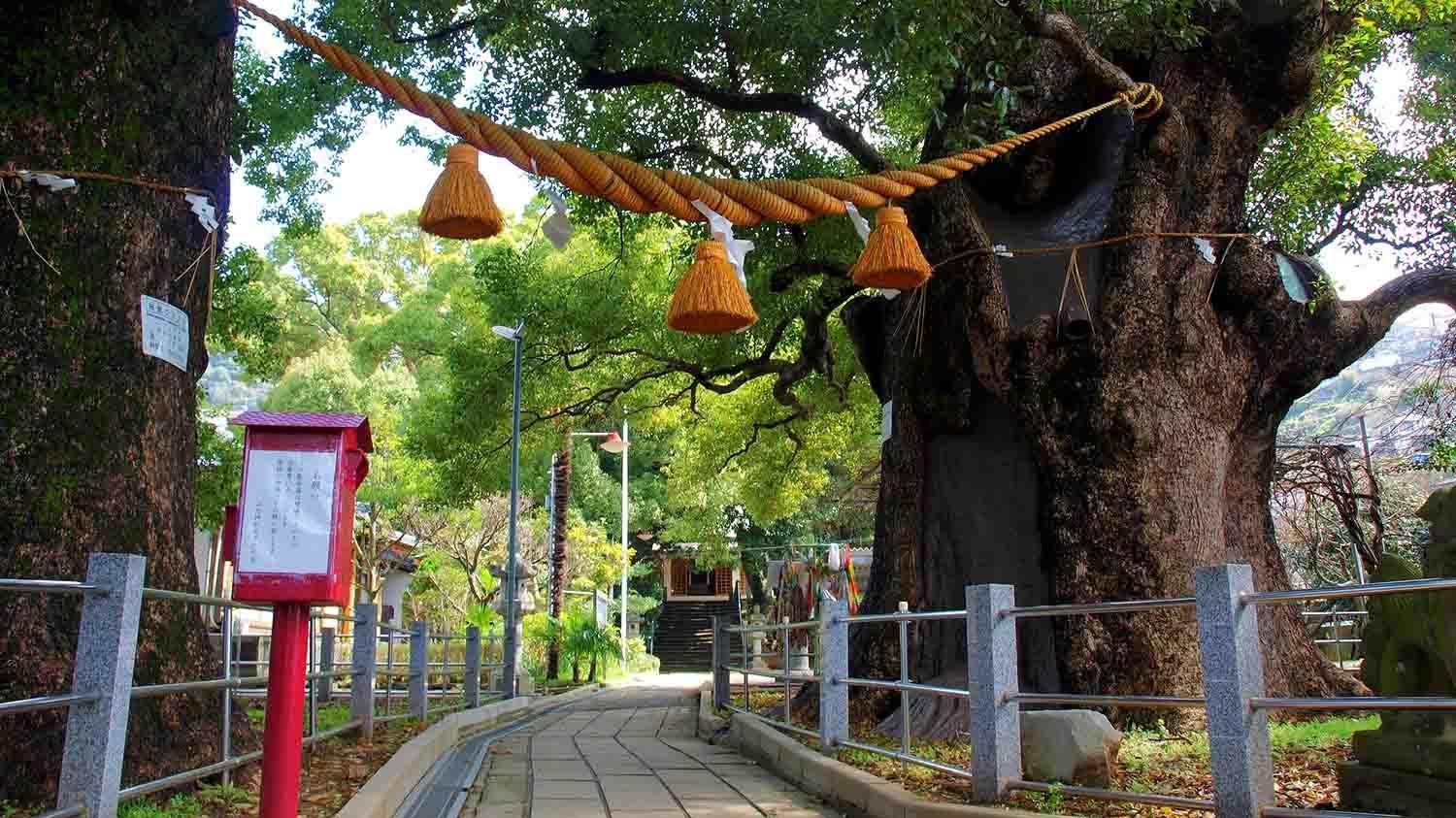
Tohoku Park ぱちょぴ(pacyopi)/Wikimedia Commons (CC BY-SA 3.0: https://creativecommons.org/licenses/by-sa/3.0) -

Tohoku University Campus -

Tohoku cherry blossom tree "120425" by Tomoyuki Kawashima (CC BY 2.0: https://creativecommons.org/licenses/by/2.0/deed.de) -
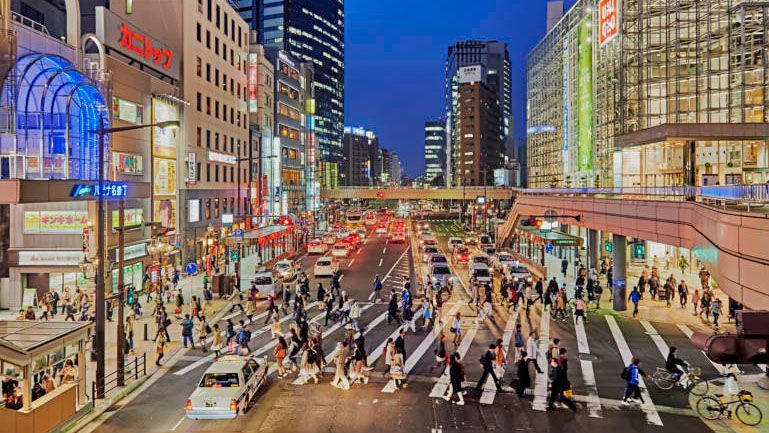
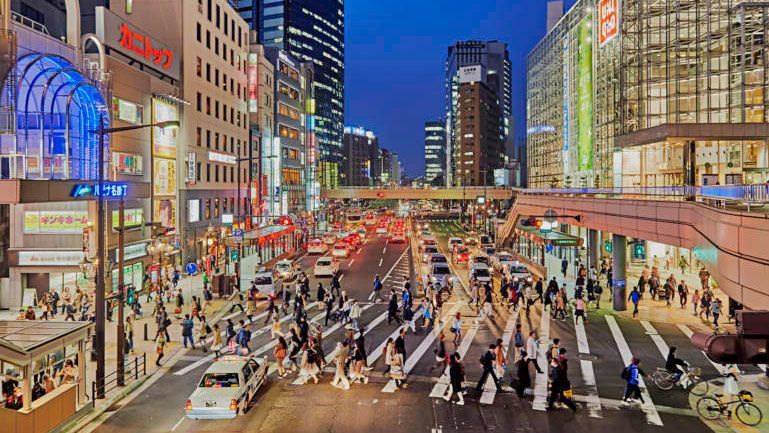
Tohoku Downtown "Night at Sendai, Japan" by johnlsl (CC BY-NC-ND 2.0: https://creativecommons.org/licenses/by-nc-nd/2.0/deed.de) -
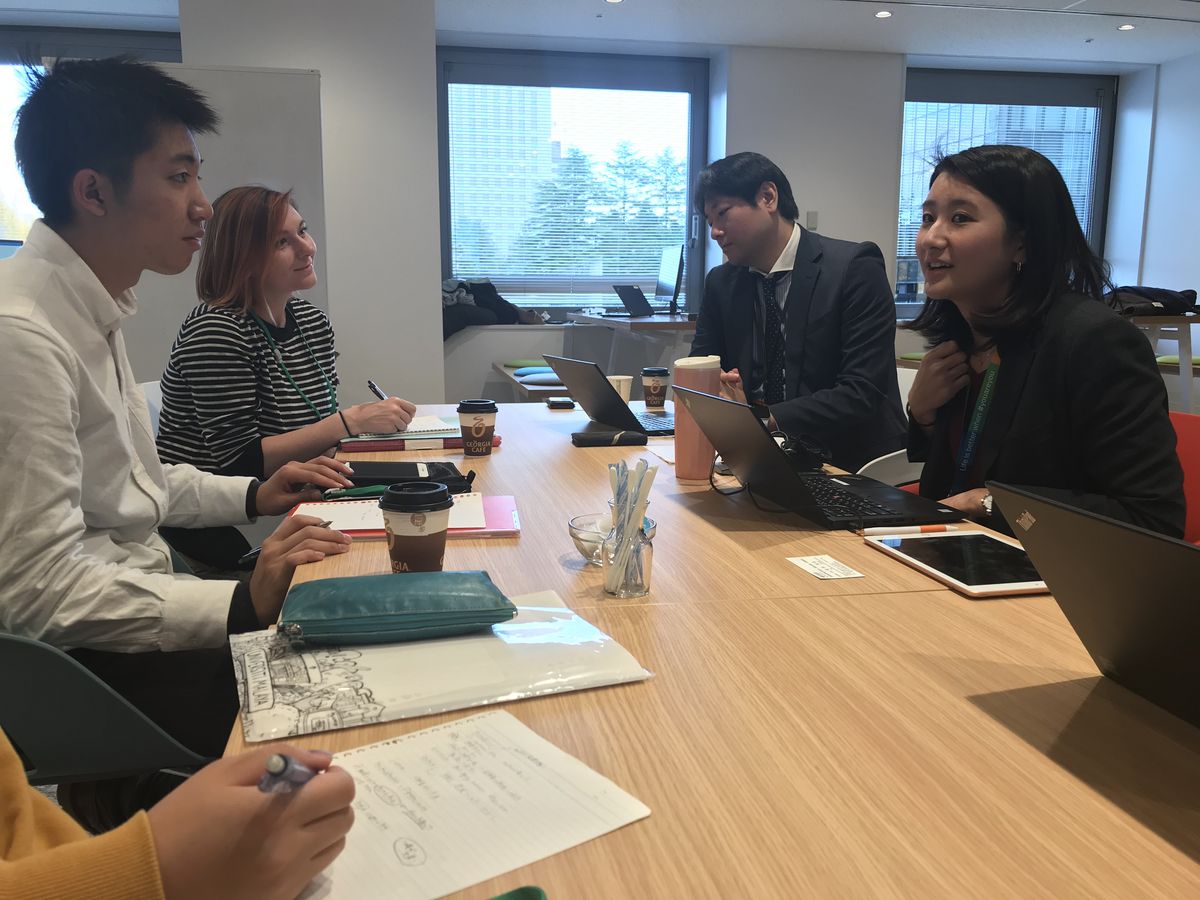
Review Tohoku University Laura Young/UOL -
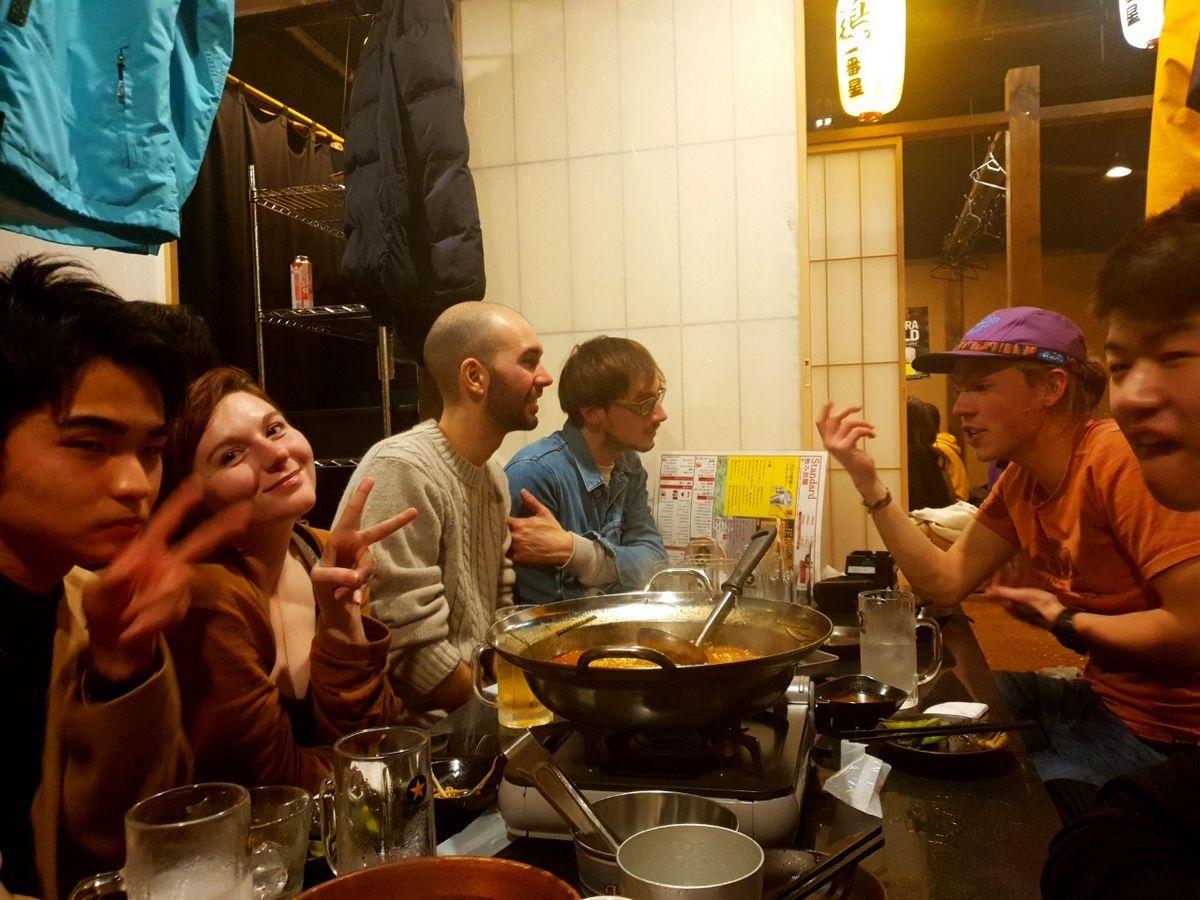
Students in a restaurant Laura Young/UOL



Application
Study
Tōhoku University is located in Sendai in Miyagi Prefecture and is a prestigious state university that is officially one of the top 5 universities in Japan. It also has a total of 10 Schools with over 17,000 students enrolled. The university was founded in 1907 under the name Imperial University of Tōhoku as one of the nine imperial universities. At the time of its foundation, the university offered programmes in agriculture, science and medicine.
Sendai itself is located in the north of Japan and is the largest city in the Tohoku region. Sendai was founded as a castle town by the powerful feudal lord Date Masamune. In 1601, Masamune had Sendai Castle built one hundred metres above the city on the Aoba hill for defence purposes. The Hirose River flows next to the hill. During the Second World War, the city was bombed several times by the United States Army Air Forces (USAAF) in July 1945. The Sendai Mediatheque, designed by Tokyo architect Toyo Ito and inaugurated in 2001, is of international architectural fame and significance. The most famous culinary specialities from Sendai include gyūtan (thinly sliced and grilled cow's tongue), sasakamaboko (a fish sausage wrapped in leaves) and zundamochi (mochi balls with a light green edamame paste). The Sendai City Tomizawa Site Museum of Archaeology is located in the Taihaku district, where you can see, among other things, 20,000-year-old forest remains.
Everyday life
Tohoku University offers several types of accommodation for international students. There are several options in the International House or University House Sanjo in the form of single or twin rooms. The cost is 16,000-50,000 yen per month. There is also the option of staying in private flats. Rents here are around 30,000-60,000 yen per month.
The cost of living in Japan is around twice as high as in Germany, which is why this factor should definitely be factored into your budget. Nevertheless, although the cost of living is higher, the quality is much better.
Formalities & interesting facts
A visa is required to enter Japan. This can be applied for at the Japanese embassy. At Narita, Haneda, Chubu and Kansai, New Chitose, Hiroshima, Fukuoka and Tokyo airports, a residence card is issued upon entry into Japan.
Health insurance (NHI), which all students who stay in Japan for more than 3 months must take out, costs around 13 euros per month. In the case of doctors or hospitalisation, 70% of the costs are covered.
Transferring relevant credits for your studies in Germany is easy via the Academic Examinations Office of the University of Oldenburg. Information on credit transfer for studying in Oldenburg


