
Japan, Kagoshima: Kagoshima University
Exchange programme: when to apply?
Applications for the exchange programme for a stay abroad in Non-EU countries (exception: North America) in the following year are due in May/June.
For the current call for applications please visit our website or check out our Study abroad newsletter.
Links & Downloads
-
 Kagoshima University Factsheet
 -
 Kagoshima University Handbook for international students
 -
 Kagoshima University International Residence Hall Outline
Japan, Kagoshima: Kagoshima University
-
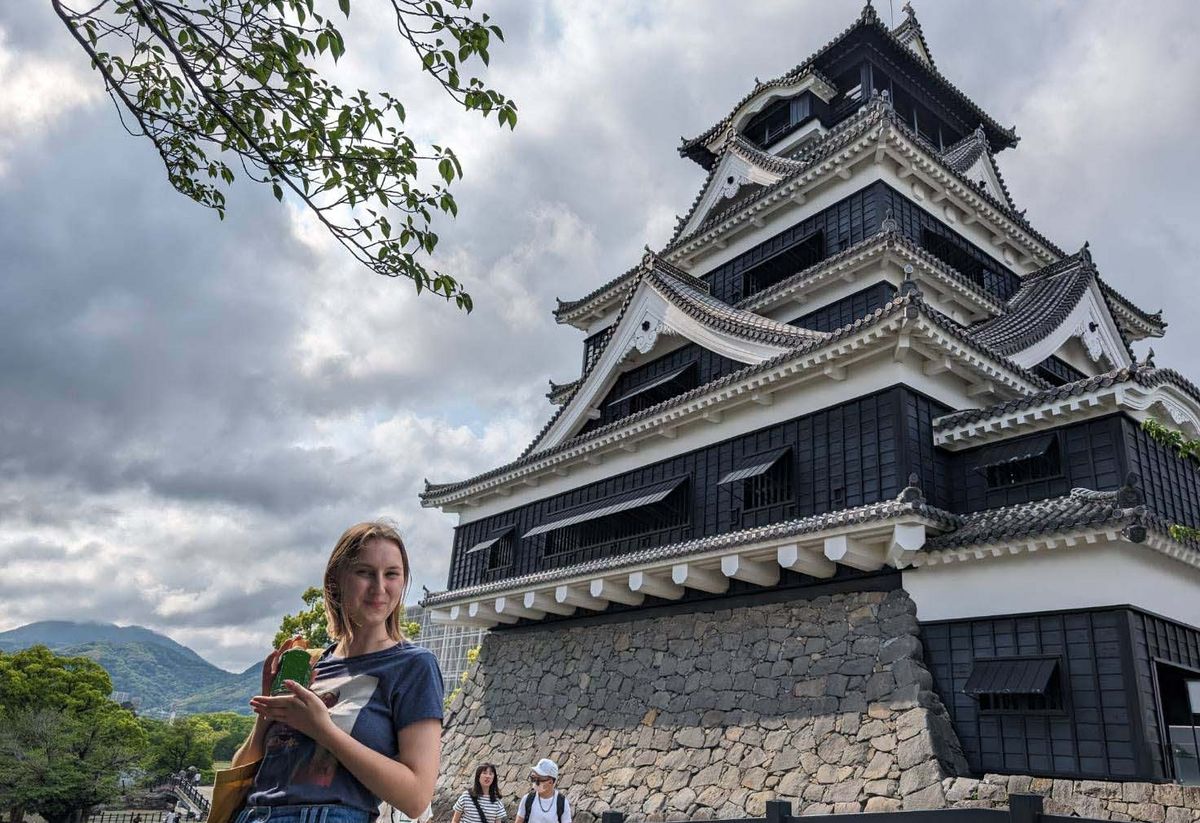
Excursion to Kumamoto Castle Marie Hennecke/University of Oldenburg -
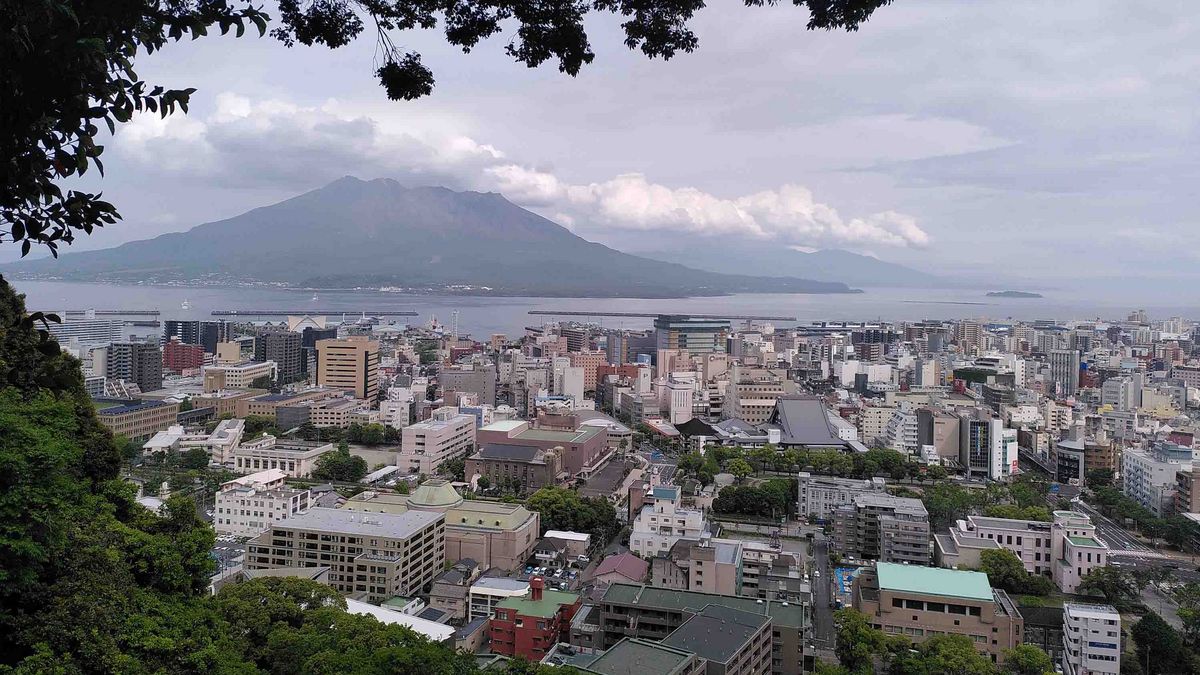
View of Kagoshima Marie Hennecke/University of Oldenburg -

Kagoshima University Festival ja:User:Sanjo/ja/Wikimedia Commons -

Kagoshima University Building yes:User:Sanjo/Wikimedia Commons -

Kagoshima University Festival yes:User:Sanjo/Wikimedia Commons -

Excursion into the countryside Marie Hennecke/University of Oldenburg -

Kaigata, Tarumizu City yes:User:Sanjo/Wikimedia Commons (CC BY-SA 3.0: https://creativecommons.org/licenses/by-sa/3.0)


Application
The academic year at Kagoshima University is divided into several terms: Term 1 (April to September) and Term 2 (October to March). Students from all Schools can apply to study at Kagoshima University for one semester free of tuition fees. Due to the (English) courses on offer, preference is given to students of natural sciences (especially environmental sciences, chemistry, biology and physics).
Study
Founded in 1949, Kagoshima University is the largest national university in the southern Japanese region of Kyushu. The university consists of nine Schools and ten graduate schools, which are spread across the Korimoto Campus, Sakuragaoka Campus and Shimoarata Campus. A total of around 11,000 students study at Kagoshima University. Due to the intensive selection process at Kagoshima University, there is usually a slight delay in sending the relevant documents for the exchange, so students can expect a reply from Japan for the 2nd term (October to March) around July.
Kagoshima is a harbour city in the southernmost tip of Japan. The city is mainly located on the western shore (Satsuma Peninsula) of Kagoshima Bay, which is cut 70 km deep into the island, with the active volcano Sakura-jima in the middle, directly to the east of the city centre. Neighbourhoods are also located at its foot. The city, like the entire surrounding area, suffers from the constant emission of volcanic ash.
Everyday life
The International Residence Hall offers international exchange students comfortable accommodation close to the university. The residence hall has a limited number of rooms and is primarily for scholarship holders and first year students. There are currently five tutors working in the hall of residence who give students tips and advice on life in Japan.
It is also possible to stay in dormitories or flats. The cost of a student flat is around 200 to 300 euros per month, which is quite favourable by Japanese standards. The cost of living is around twice as high as in Germany, which is why this factor should definitely be factored into your budget. Nevertheless, although the cost of living is higher, the quality is much better.
Formalities & interesting facts
A visa is required to enter Japan. This can be applied for at the Japanese embassy or consulate in your home country. At Narita, Haneda, Chubu and Kansai, New Chitose, Hiroshima and Fukuoka airports, a residence card is issued upon entry into Japan.
Health insurance (NHI), which all students who stay in Japan for more than 3 months must take out, costs around 13 euros per month. The insurance covers 70% of the costs at the doctor or hospital.
Transferring relevant credits for your studies in Germany is easy via the Academic Examinations Office of the University of Oldenburg. Information on credit transfer for studying in Oldenburg