

Current research projects
Contact
Director
Mailing address
Kontakt
Direktorin
Postanschrift
Current research projects
Regulation of innate and acquired immune responses in inflammation, autoimmune diseases, infections, skin tumours or tolerance induction
Development, expansion and antigen specificity of autoreactive cells, function of effector and suppressor cells of the innate and adaptive immune system; identification of pathomechanisms, importance of external factors for the regulation of systemic and organ-specific immunity; communication of immune cells in different organs during the regulation of organ-specific and generalised immune responses.
Relevance of neuropeptides and environmental or lifestyle factors in inflammatory and degenerative diseases of the CNS or in systemic autoimmunity
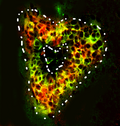
Better understanding of cellular and molecular mechanisms that mediate the conversion and transmission of external signals into immune responses (using the example of multiple sclerosis or experimental autoimmune encephalomyelitis (EAE) and the influence of UV radiation). (using the example of multiple sclerosis or experimental autoimmune encephalomyelitis (EAE) and the influence of UV radiation); potential use of external factors as adjuvant therapeutics (environment mimetics); utilisation of (already approved) anti-inflammatory and neuroprotective peptides including innovative formulation using (organ-specific) micro- and nanoparticles for possible therapeutic application (drug repurposing).
Significance of the 4-1BB/4-1BBL signalling pathway for communication between the immune system and the nervous system, for neurosensory processes and for sensory perception
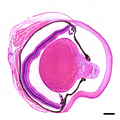
Characterisation of the cellular and molecular mechanisms underlying the spontaneous development of atopic dermatitis and cataract development; investigation of the role of 4-1BB/4-1BBL signalling in patients with atopic dermatitis and eye diseases. Interaction of immune cells with epithelial or neuronal cells; control of immune responses in privileged organs such as the eye.
Infection and anti-microbial immunity
Control of anti-microbial immunity against clinically relevant viral and bacterial pathogens; identification of checkpoints in infections that can serve as potential starting points for the development of new therapeutic concepts; resistance and protection of epithelial barriers against pathogens; importance of the (organ-specific) microbiome in inflammatory diseases and infections.
Anti-tumour immunity
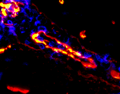
Significance of costimulatory signals of the TNF family for the regulation of anti-tumour immunity (e.g. during UV- or chemically induced carcinogenesis); control of the generation, expansion, migration and function of myeloid-derived suppressor cells (MDSC) and their interaction with regulatory T cells (Treg) and innate lymphoid cells (ILC) during tumour development, progression and metastasis; modulation of leukocyte extravasation into tumour tissue and identification of surface markers. Innate lymphoid cells (ILC) during the development, progression and metastasis of tumours; modulation of leukocyte extravasation into tumour tissue and identification of surface markers on tumour-inducing cells.