


Birgit Klostermann spent the last winter semester in Sweden. This was made possible by funding from Erasmus+. She wouldn’t have missed the experiences she had during that time for the world.
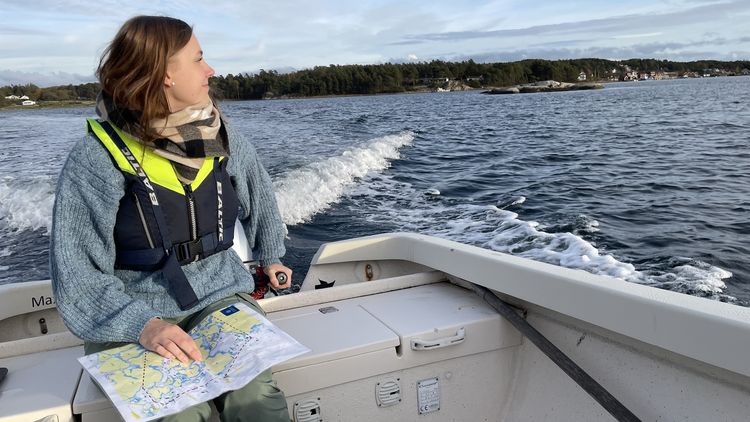
Putting on life jackets, lugging research equipment into the motorboat and finally steering the boat across the bay lined with red wooden houses: for Birgit Klostermann, this is one of her most vivid memories of the past winter semester, which she spent at the University of Gothenburg in Sweden.
The Bachelor’s student in Environmental Sciences is one of around 200 students from Oldenburg who, thanks to Erasmus+ funding, gain a wide variety of experiences in other European countries every year: Birgit, for example, conducted fieldwork on the island of Tjärnö, researching the marine flora and fauna of Sweden’s west coast. She collected samples from the coast and the sea, lived at the research station with her fellow students – and learnt to steer a motorboat. “We were simply allowed to get on with it and were shown an incredible amount of trust,” she reports enthusiastically.
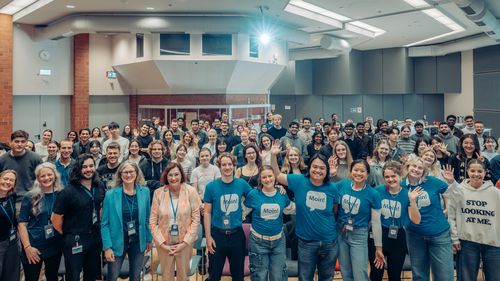
This opportunity to grow not only academically but also personally is, in Christa Weers’ view, what makes a stay abroad so special. The deputy head of the International Office has been coordinating the Erasmus programme for 24 years. Since 1987, Erasmus+ has been bringing young people in Europe and beyond together; it is the world’s largest student exchange programme. Around one million students from Germany have travelled abroad with Erasmus+ to date, whilst the figure across Europe stands at around 17 million. “Thanks to its generous financial support, Erasmus+ offers students the chance to broaden their horizons whilst studying,” emphasises Weers.
As a student assistant in the International Office, Birgit Klostermann experiences first-hand how students talk about their time abroad. This is one of the reasons she was drawn to travel further afield – though initially within Europe. “For my first time abroad, I didn’t want to go quite so far,” she says. She chose the University of Gothenburg in Sweden because of its marine biology programme and the relatively straightforward process of having the courses recognised for credit in Germany.
“In fact, Sweden has been one of the most popular Erasmus destinations for Oldenburg students for years,” says Weers. Together with the Netherlands and Norway, the country forms the leading group of the most popular destination countries. Sweden is also one of the countries that students from Oldenburg can reach in an environmentally friendly way.
Sustainability plays an important role
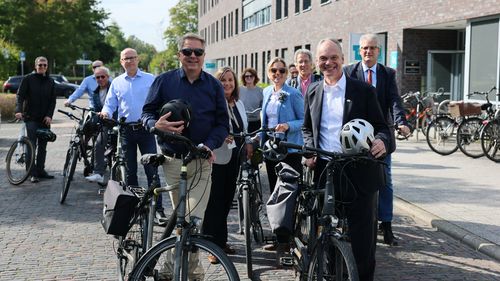
This aspect was important to Birgit; she travelled to Gothenburg by bus and train. “Flying wouldn’t have felt right given the short distance,” she says. In this way, the student benefited from the additional funding that universities provide when students travel to their Erasmus partner university in a sustainable manner.
Although Birgit did feel homesick at times, she would choose to spend a semester abroad again in a heartbeat. “I’ve gained new ways of thinking and new perspectives. I now know how other European countries view the world.” Thanks in part to the course on Tjärnö, she was able to quickly make friends with her Swedish fellow students “and gain an authentic insight into Swedish customs and culture,” she says.
The combination of academic experience, personal development and new perspectives is unique. “Anyone who has the opportunity to go abroad should definitely do so,” she says. She’s already making new plans – and next time, she might even go even further afield.