Co-operation in South Africa 2024
Projektkoordination
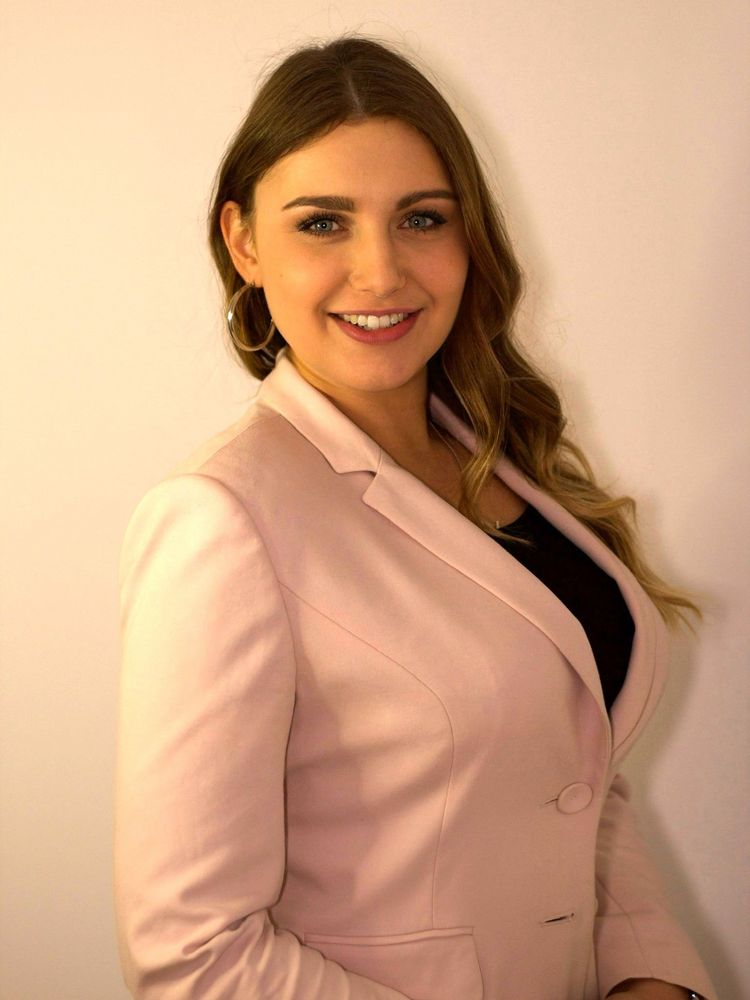
Dr. Jessica Petereit
Dr. rer. nat. Jessica Petereit
Dr. Michael Peetz
Dr. Michael Peetz
Department of Chemistry (» Postal address)
Co-operation in South Africa 2024
Teachsynergy in South Africa
Inspiring co-operations in South Africa
As part of TeachSynergy, we gained valuable insights and new perspectives through our meeting with potential partners from South Africa - an important step towards establishing innovative workshops in an international context.
From Cape Town to Gqeberha
Our journey began in Cape Town, where we discussed initial workshop plans for the second workshop together with three dedicated students - two who had already written their bachelor theses in collaboration with us and a student assistant from computer science didactics. Although a planned face-to-face workshop could not take place as planned due to various logistical challenges, this experience motivated us to organise the implementation differently for the future. We also sat down with the local coordinators and planned a digital version for 2025, analogue to the procedure in Pakistan.
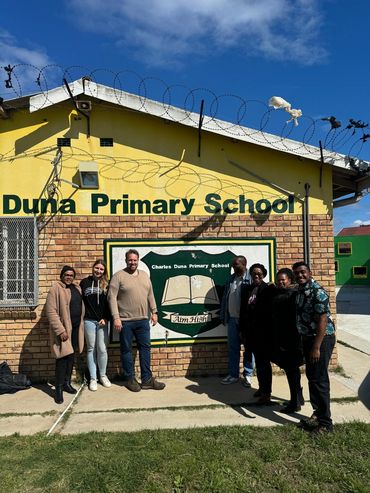
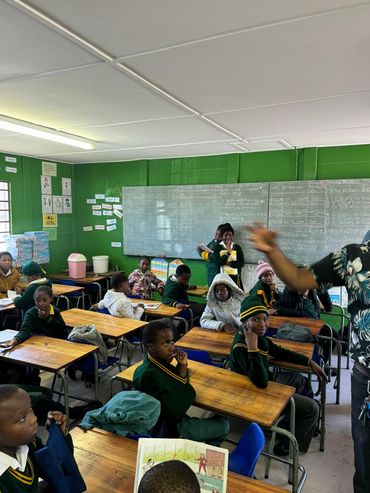
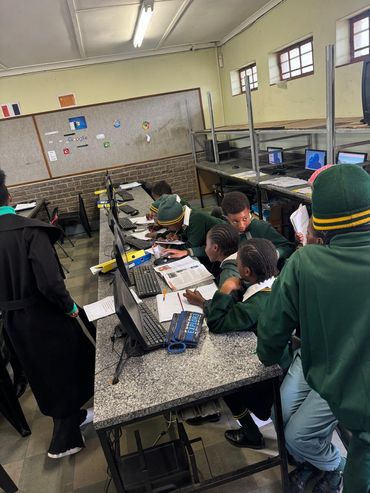
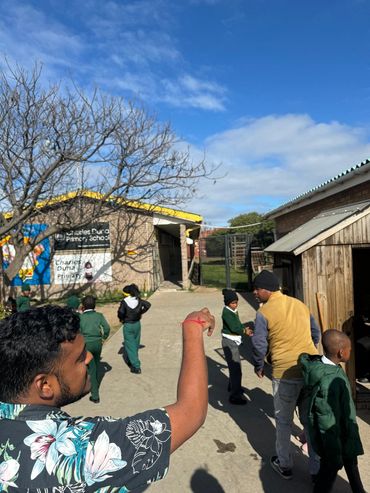
Our trip then took us to Gqeberha, where we met with representatives of the Education Department of the NMU (Nelson Mandela University) and its International Office. The visit to various schools impressively revealed the urgent need for resource-saving experimental approaches such as those pursued by our project.
Innovative project ideas and future prospects
Based on the impressions we gained, we developed a project idea together with the professors and staff at the university. Collaboration with students is at the centre of this in order to not only anchor the workshop at the university, but ideally also to integrate it into the university curriculum. Work is already underway on an international project proposal that will run for several years and promote the exchange of students between the countries. In addition, a promising co-operation with the Chemistry Department was discussed in March 2025 to link our resource-limited workshops with complementary ideas. We are just at the beginning here, but it will focus more on digital communication of the content and be designed to be more language-sensitive.
Open dialogue and international networking
The discussions in Gqeberha were characterised by an extremely open, inspiring and friendly atmosphere - a mood that was characterised by pure enthusiasm and the conviction that collaboration is enriching for everyone involved. The local partners, who experience similar challenges to many German primary schools with a lack of materials and resources, were equally convinced of the relevance of our approach.
The international exchange is very important for TeachSynergy - not only for the further development of our workshops, but also as a strategic building block for the expansion of the University of Oldenburg's network. Thanks to existing co-operations and a general agreement with the NMU, the way has already been paved for future joint projects.
Languages, cultures and the role of TeachSynergy on site
South Africa is a country of linguistic and cultural diversity - twelve official languages are officially recognised here, yet English and Afrikaans dominate in many areas. Many schools often lack sufficient materials in the respective mother tongues, meaning that teachers have to teach scientific content in a foreign language. This makes it difficult both to understand complex concepts and to preserve the cultural identity of the learners.
TeachSynergy addresses these challenges with an innovative approach: our project develops resource-saving workshops that are specifically designed to work with everyday, locally available materials. These experiments and teaching methods are designed so that they can be adapted not only in an internationally understandable language, but also in local languages - a crucial step in overcoming language barriers in resource-limited environments.
TeachSynergy also actively promotes intercultural exchange. During our meeting with potential partners in South Africa, for example in Gqeberha, we were able to experience first-hand the urgent need for practical, multilingual educational programmes. Our collaboration with local educational institutions and international partners enables us to understand the specific needs of the region and adapt our workshop concepts accordingly.
Impressions on site
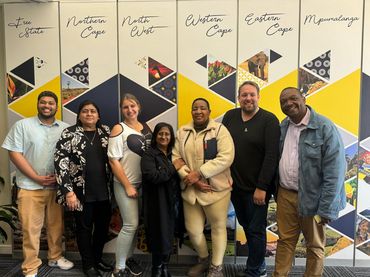
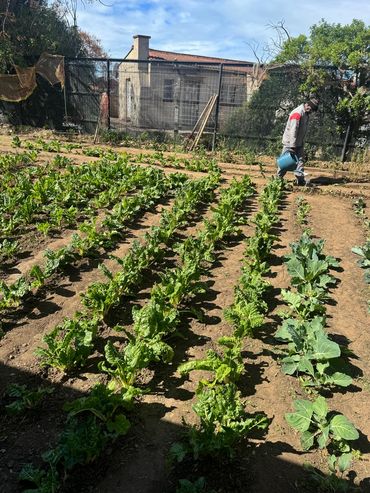
The attached pictures impressively document our visits to the schools, show group photos and give an impression of the fascinating surroundings of Gqeberha - visual evidence of the shared enthusiasm and promising prospects of this co-operation.