
Jasmin Müller
Contact information
Jasmin Müller
Location:
ICBM Terramare
Schleusenstrasse 1
26382 Wilhelmshaven
Germany
Jasmin Müller
About me
I am an early career scientist specialising in marine benthic ecology. My research focuses on how natural environmental dynamics and anthropogenic disturbances shape marine benthic life across spatial and temporal scales. I combine experimental approaches (aquaria and mesocosms) with field work in coastal ecosystems to understand the responses of macrozoobenthos at different scales, from the species to the community level and between functional traits. The methods I use range from ecophysiological laboratory analyses and benthic sampling techniques on vessels to ecological monitoring, innovative drone-based monitoring and scientific snorkelling and diving.
I have experience in organising and conducting field research, research cruises, practical student courses and lectures in tropical and temperate coastal areas. My scientific journey has taken me from tropical coral reefs in Thailand and Indonesia to the unique tidal flats of Germany and France.
Effects of climate change on macrozoobenthic communities and characteristics in the Wadden Sea
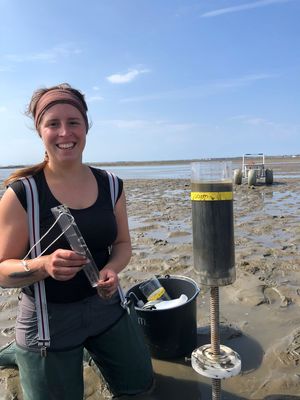
In my PhD thesis as part of the DynaCom project, I am investigating how extreme events caused by climate change, such as marine heat waves and winter storms, affect the composition of macrozoobenthic communities and their functional traits in the Wadden Sea. I conducted a mesocosm experiment with intertidal communities with different mobility characteristics to investigate their ecophysiological responses to marine heat waves. In a field experiment with artificial islands in the mudflats of Spiekeroog, I focussed on how winter storms affect biodiversity and community structure. Furthermore, I investigated the short-term dynamics of inter- and subtidal macrozoobenthos in a field campaign focussing on tidal and diurnal variability. I also participated in several sampling projects for long-term monitoring of mussel beds and benthic communities in the Wadden Sea and the North Sea.
Effects of marine litter pollution on tropical coastal ecosystems
In 2018, I started my studies on the impact of marine litter pollution on beach and coral reef environments in Indonesia. Since then, we have established long-term monitoring to assess temporal changes in the composition of marine litter on the beach and coral reef, identify affected coral species and observe possible patterns in relation to local human activities. The work is being carried out with the support of NTTI and the Coral Eye Marine Outpost.
Gallery
-
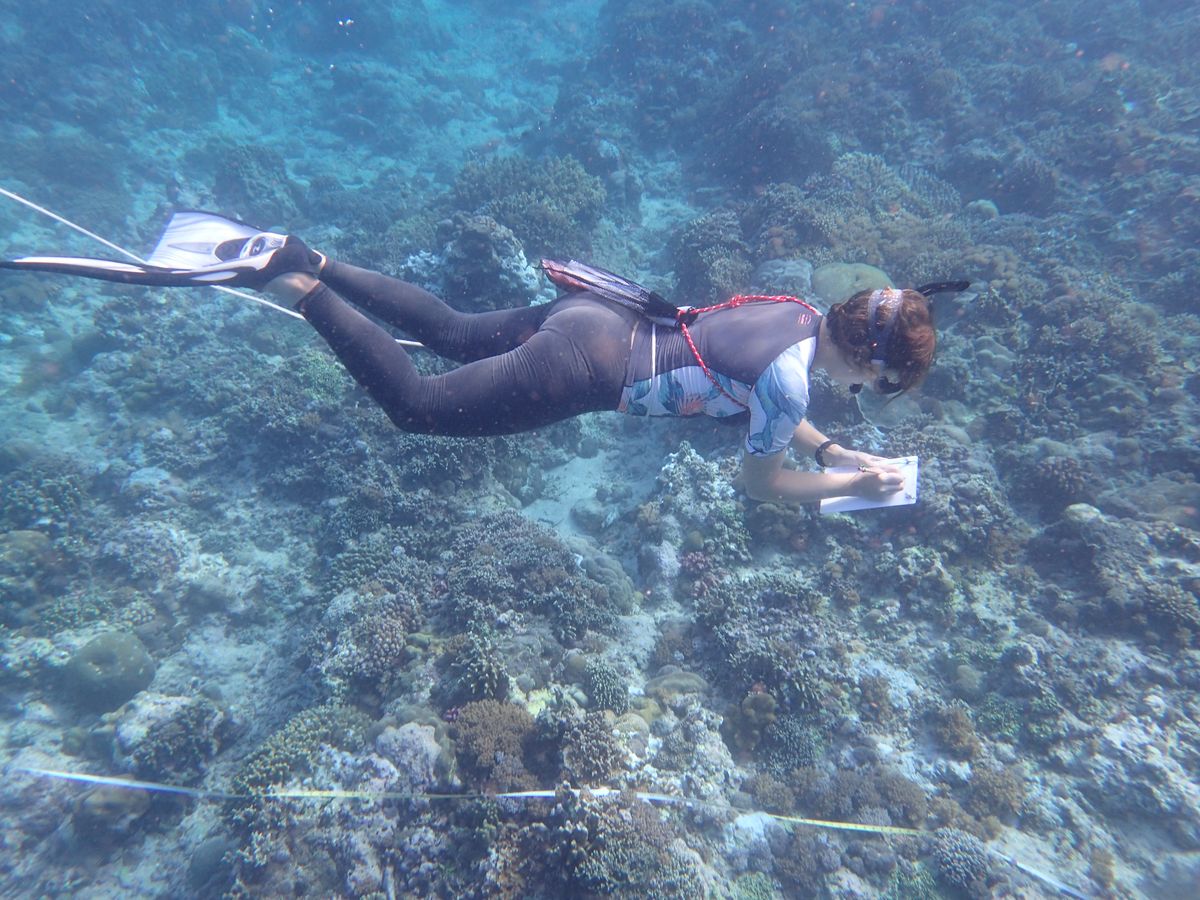
Monitoring marine litter on Coral Eye's house reef (Bangka Island, Indonesia). Nicolas Bill -
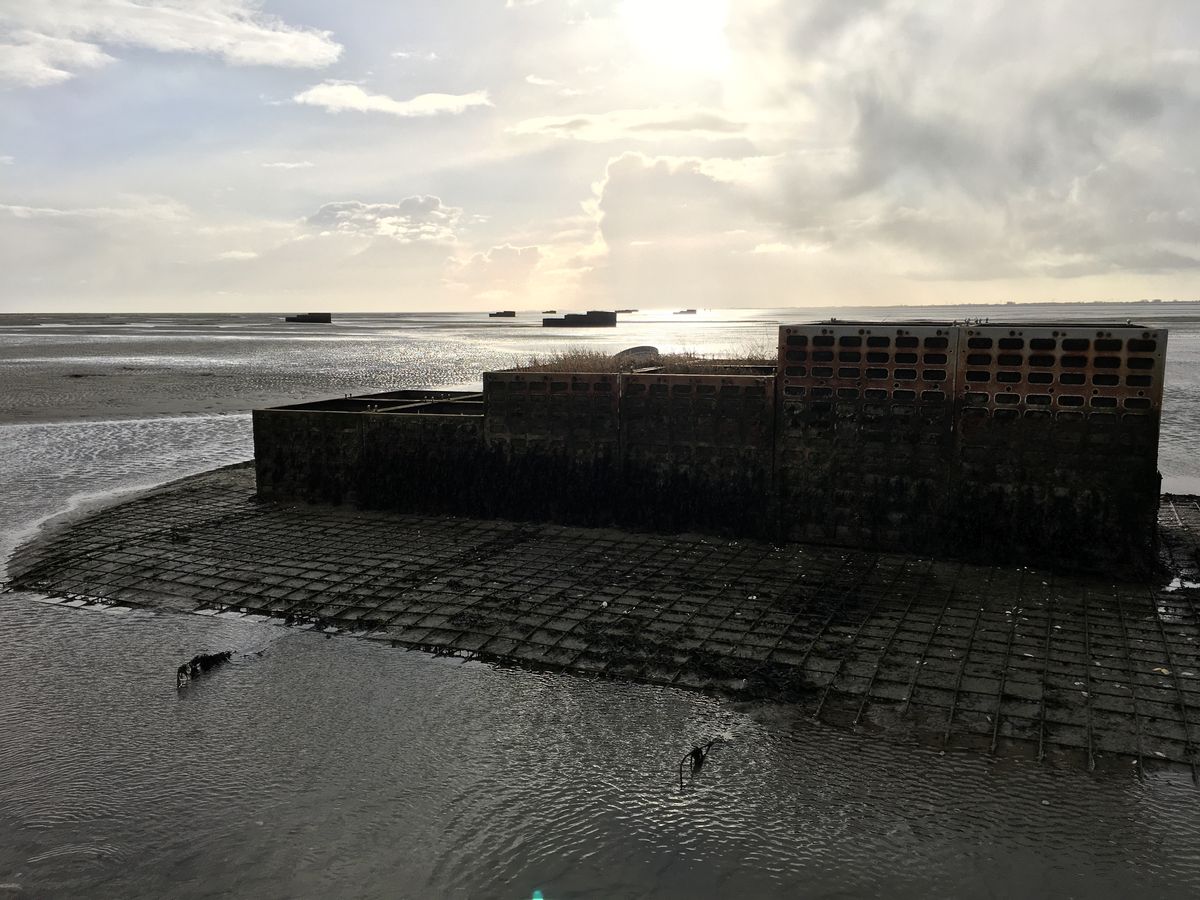
Artificial islands in the mudflats of Spiekeroog (Wadden Sea, Germany). Jasmin S. Müller -
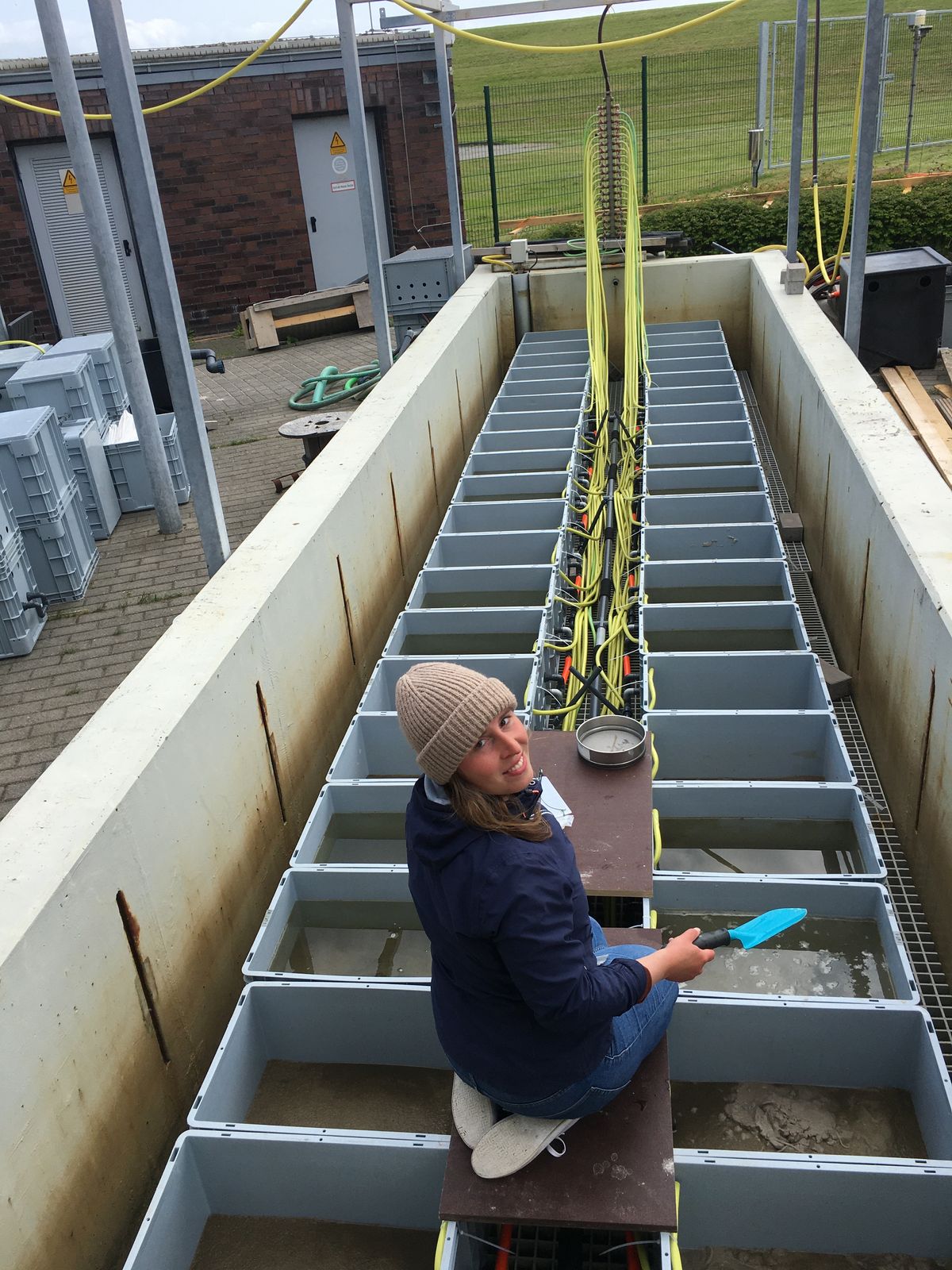
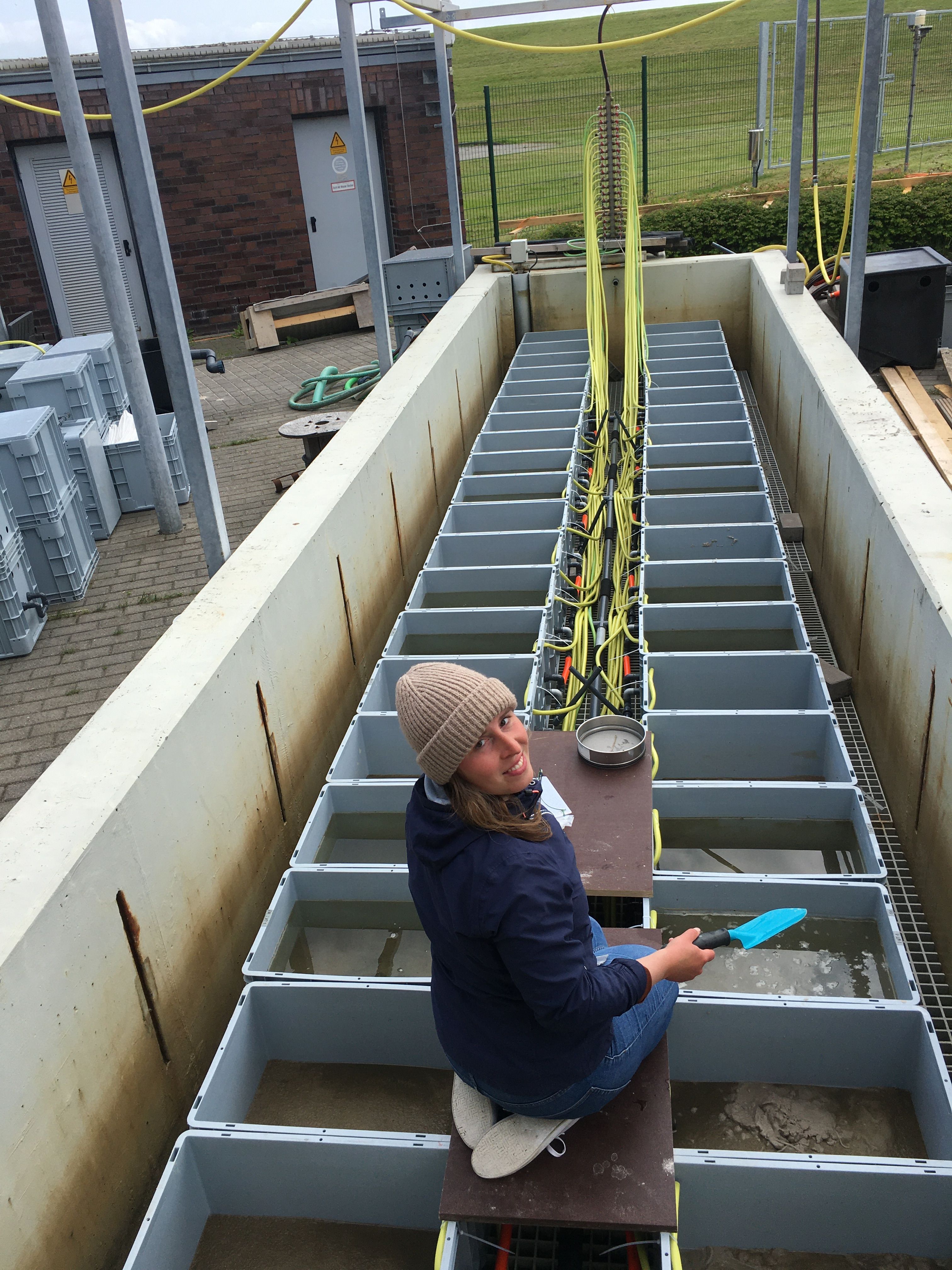
Sampling in the outdoor mesocosm facility in Wilhelmshaven. Nicolas Bill -
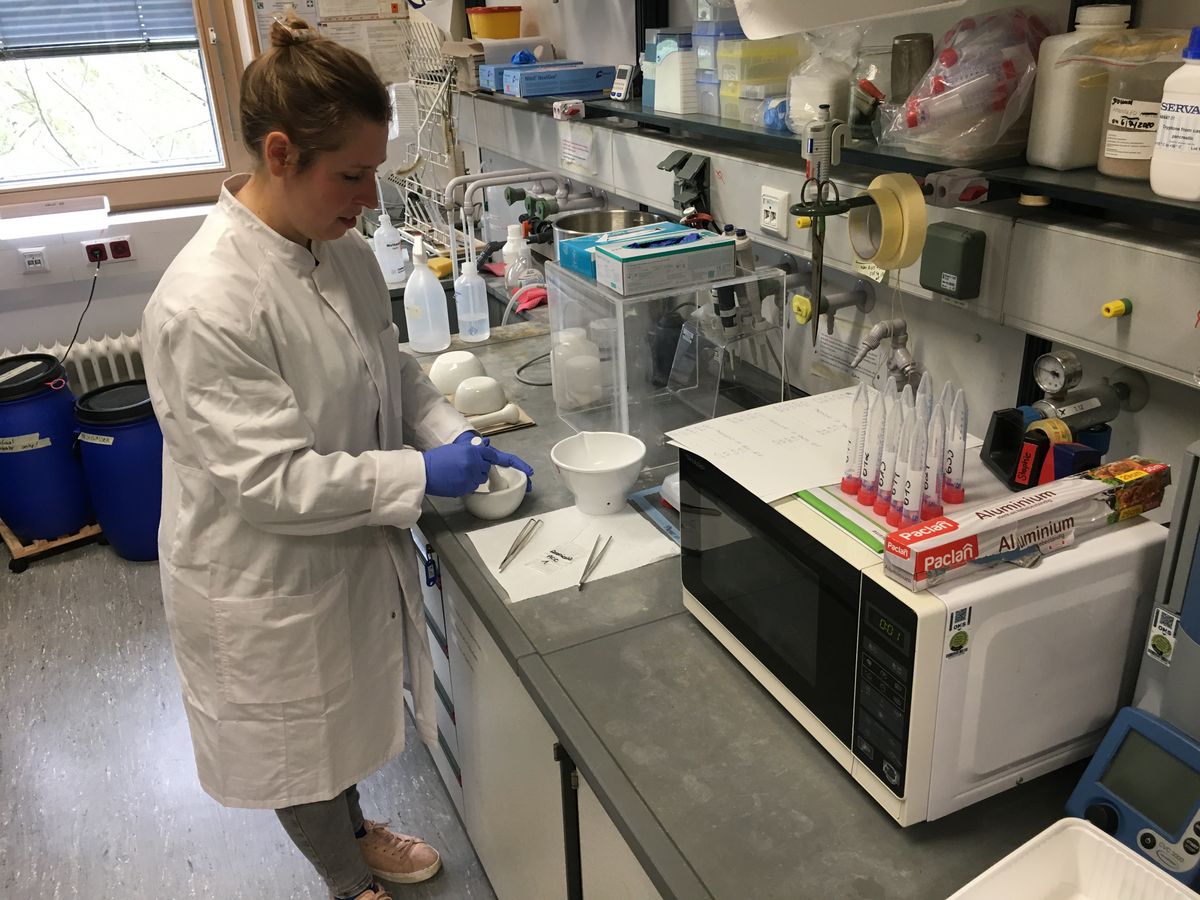
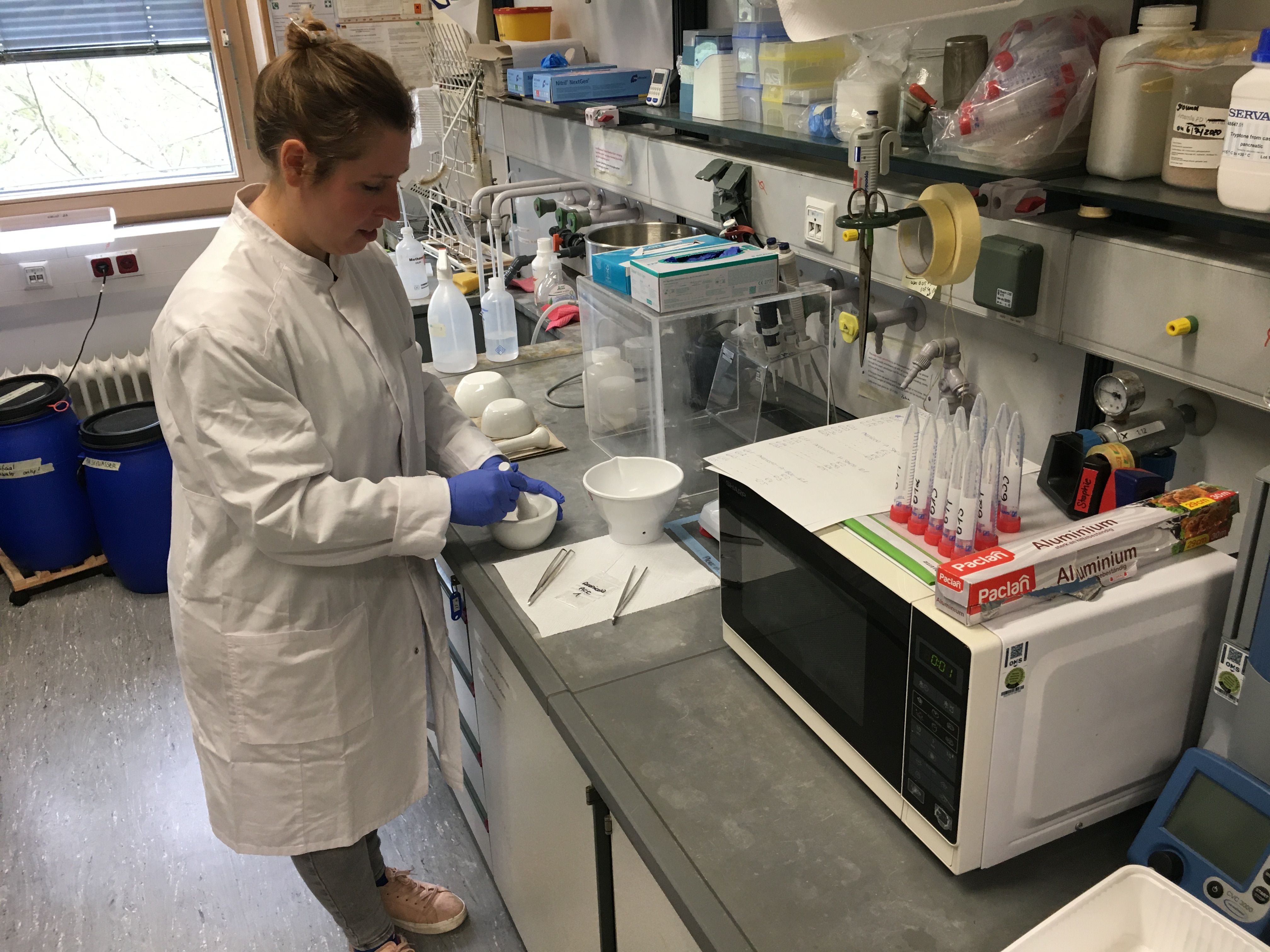
Laboratory studies on physiological stress reactions to marine heat waves. Severin Zaborszky