
Sensors in use
Sensors in use
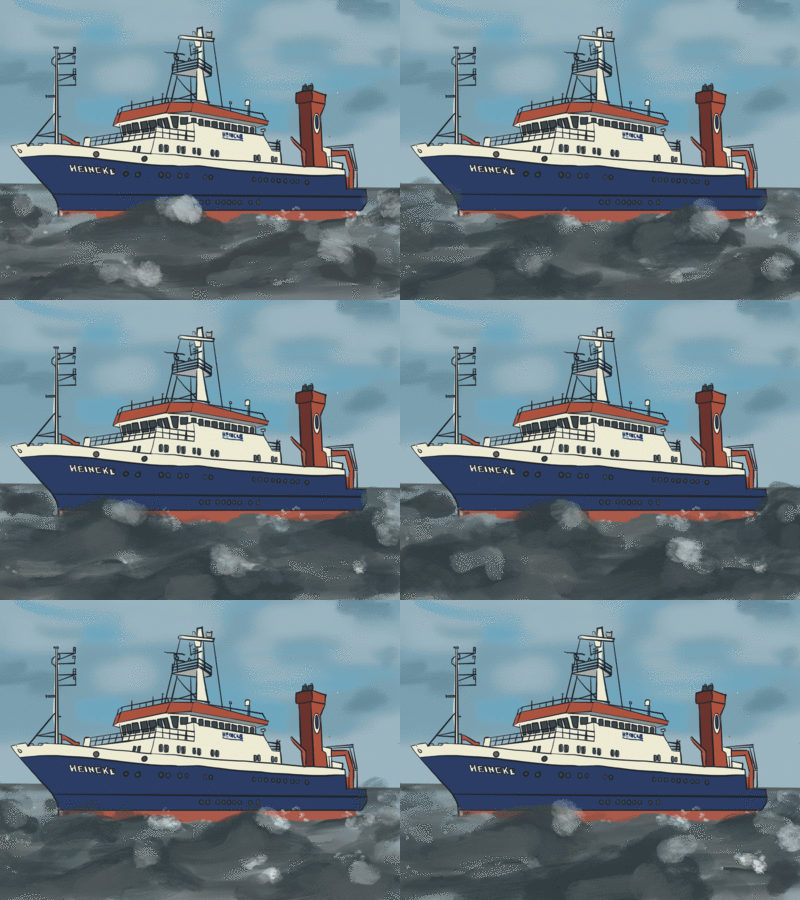
The use of the CTD rosette on the FS Heincke
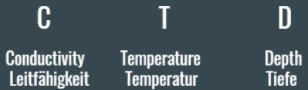
CTD is the abbreviation for:
| 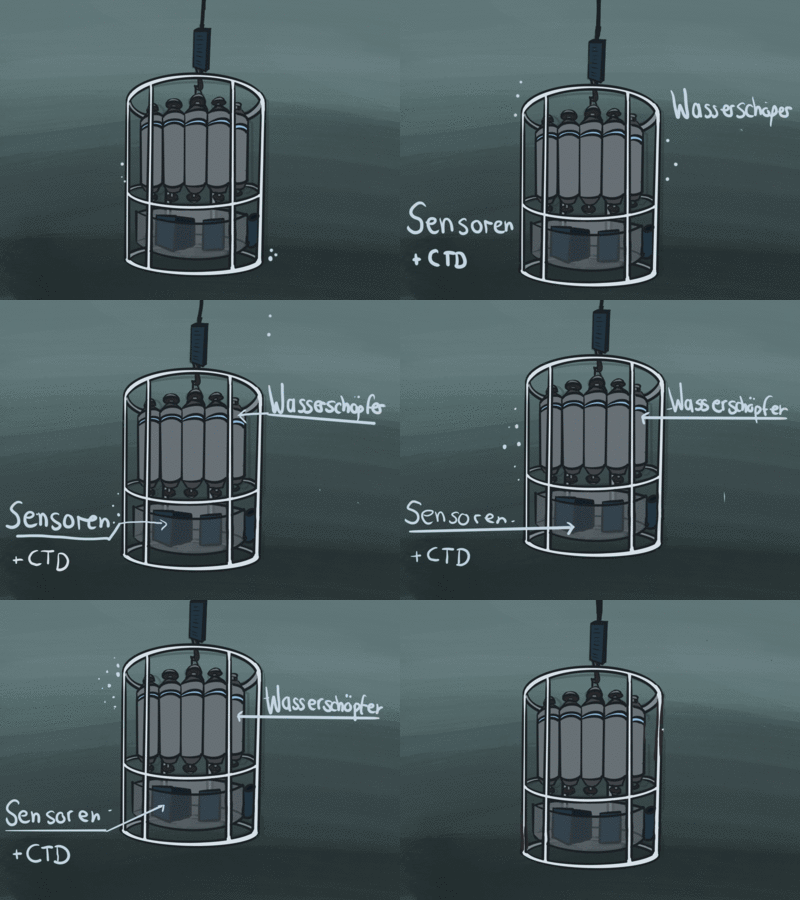 |
The CTD probe is used to
| 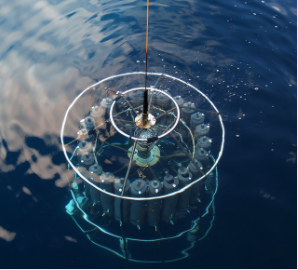 |
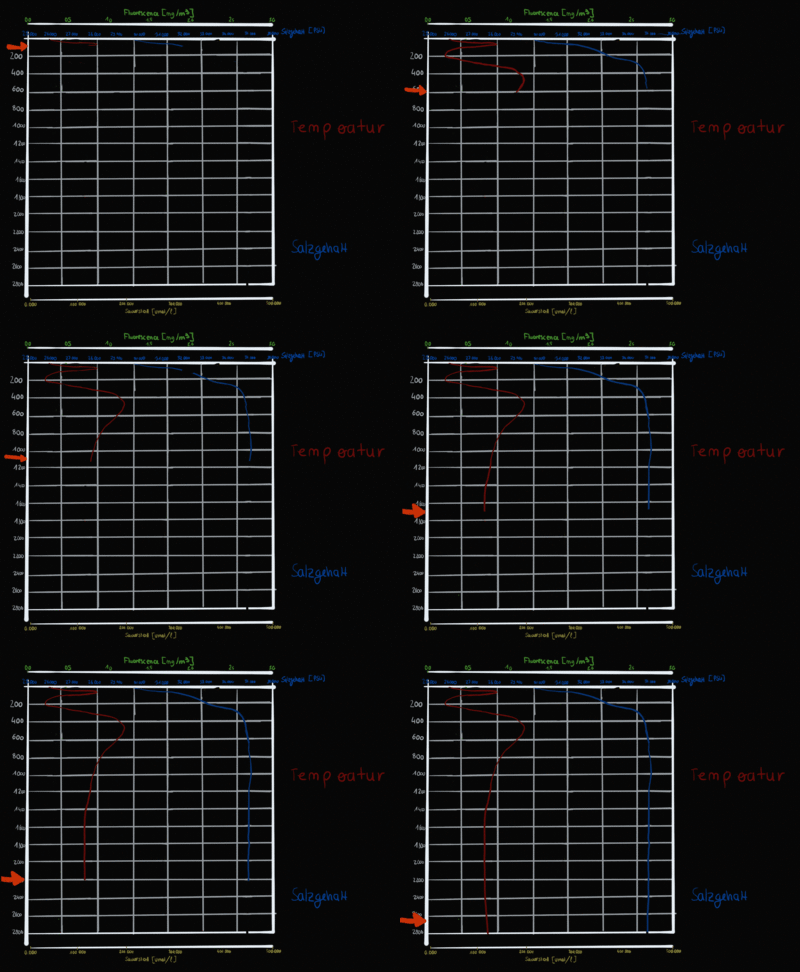
The CTD and rosette are lowered from a ship into the water using a cable and then collect data separately. These measured values are transmitted to a computer on the ship and stored. The data collected at can then be used to create "profiles" of the water depths. |  |


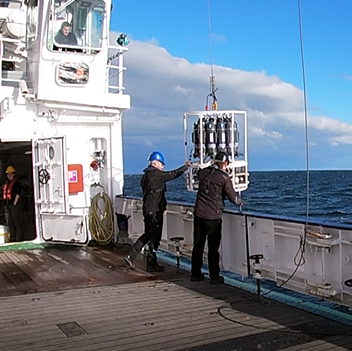


Folding the CTD rosette
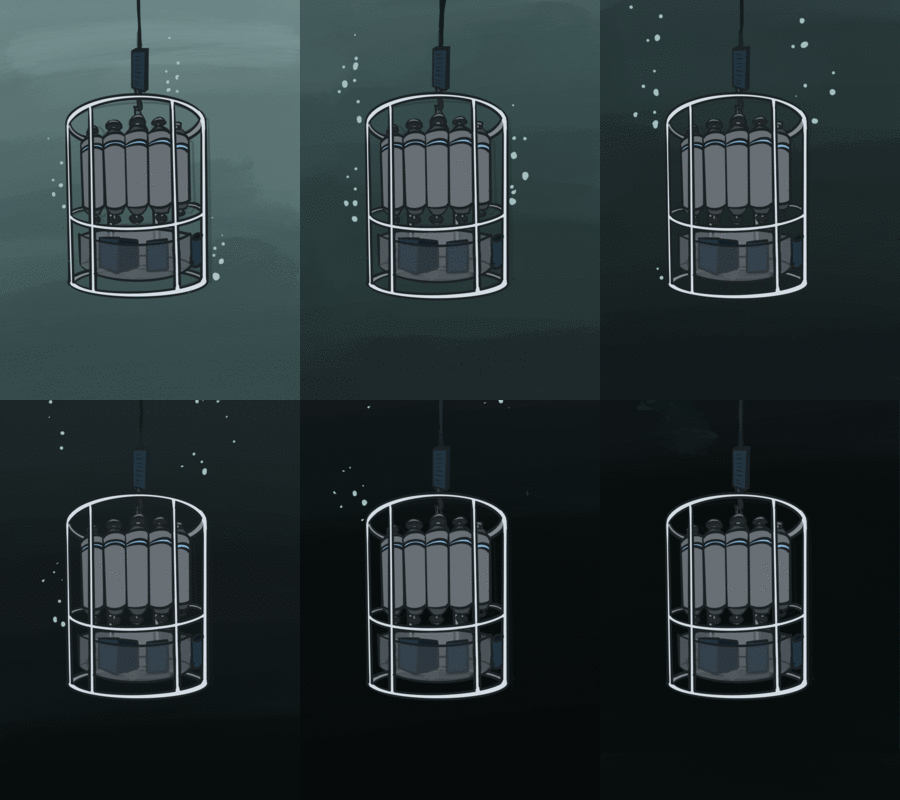
The CTD rosette is slowly lowered on a winch; it is "lowered". It is attached to a cable that allows data from the probe to be viewed in real time on the ship. |  |
The CTD rosette of the FS Heincke can be deployed at depths of up to 600 metres. As the FS Heincke is mainly travelling in the North Sea, the depth is sufficient. A dive here takes about 10 minutes. However, some CTD rosettes are also used in deeper waters and can sink to depths of up to 8,000 metres. In such cases, the dive can last several hours.
|  |
 |
|
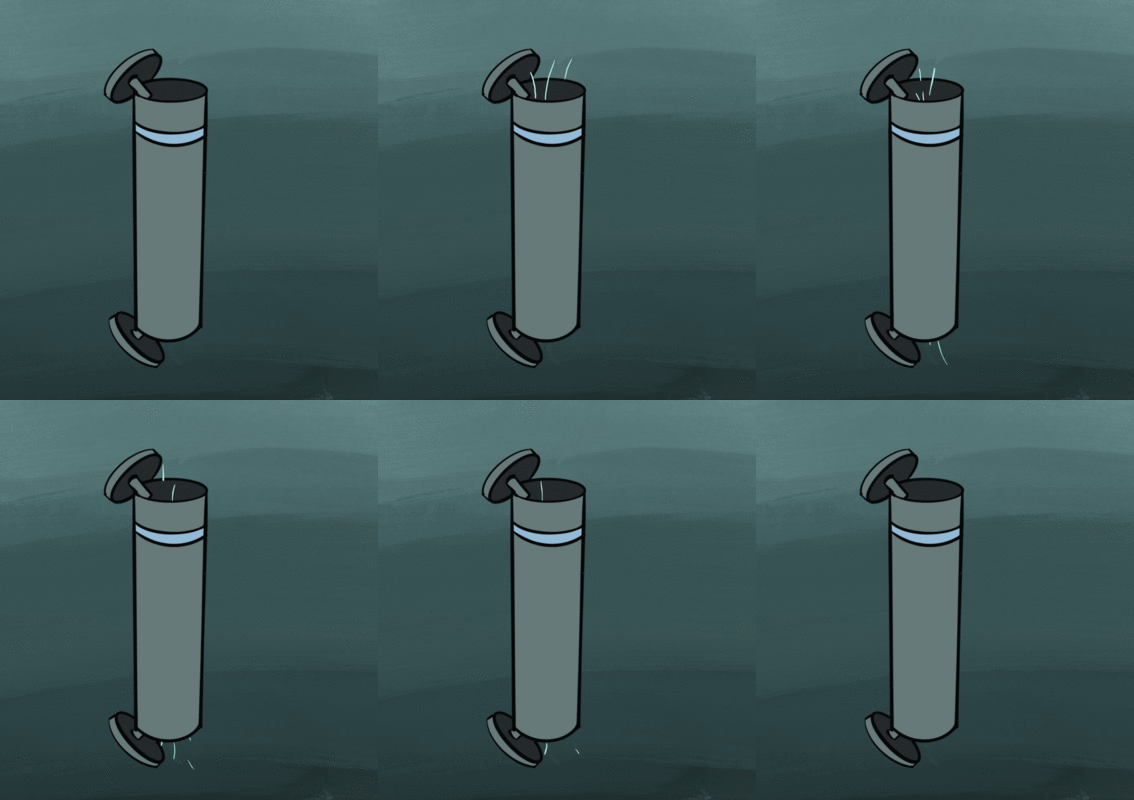
- Most sensors, e.g. for pressure or salt content, are available multiple times. The measurements are constantly compared in order to avoid errors.
- During a measurement, the CTD rosette is only lowered to a few metres above the seabed to prevent the devices from touching the bottom.
|  |

 |
|

Other values can be calculated from various measured values. For example, the measured water temperature and the conductivity of the water can be used to determine the salt content.


Filtration of the water samples
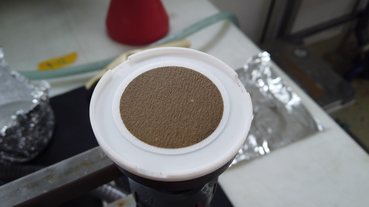
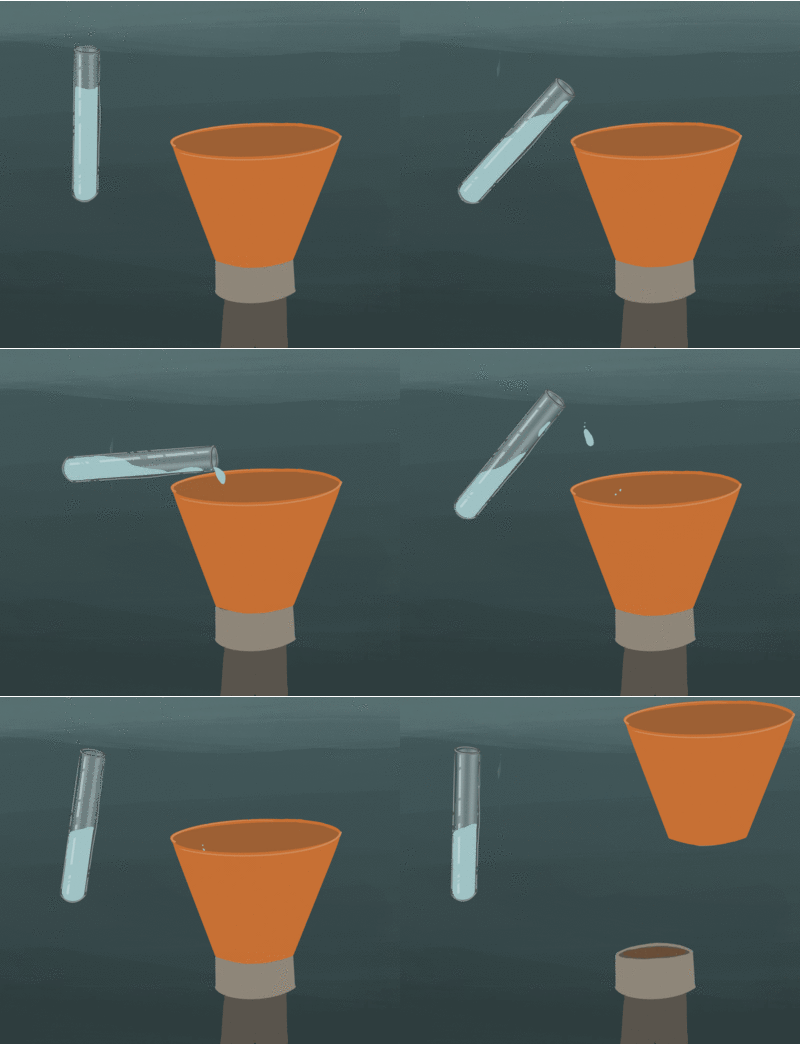
- The collected water samples are now filtered.
- This is what it looks like in the FS Heincke laboratory:
 |
|