
The holm oak forest
The holm oak forest
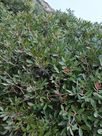
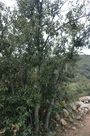
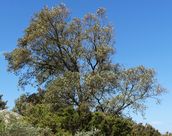
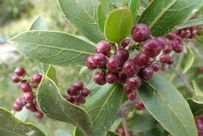
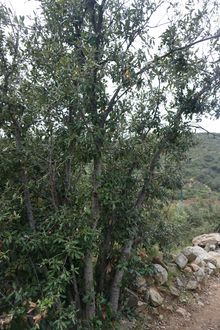
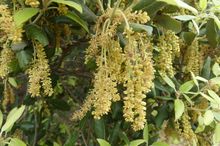
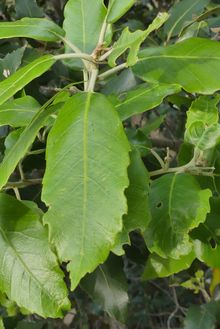
The potentially natural vegetation that characterises large parts of the Mediterranean region is the hard-leaved, evergreen oak forest. The holm oak(Quercus ilex) is the most important and most widespread type of woodland and forms tall forests of up to 25 metres in height with few herbs and little light. However, due to thousands of years of agricultural utilisation, many holm oak forests have been destroyed and replaced by various stages of degradation. As a result, the holm oak, which once formed the forest stand, has been successively replaced by other species and now only colonises the maquis as an evergreen shrub in some places. Holm oak forests were once used intensively for firewood and charcoal production, but today these coppice-like woodland formations are once again characterised by taller growth.
Please click on a picture to go to the respective profile of the plant.