
The ruderal areas
The ruderal areas
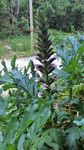
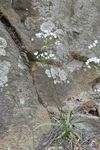
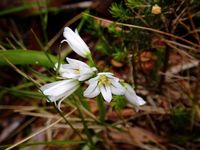
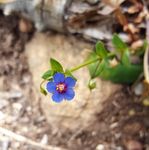
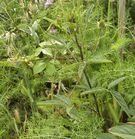
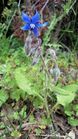
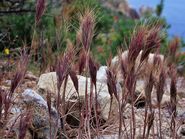
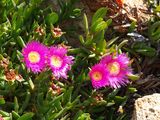
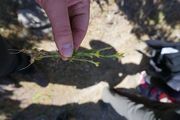
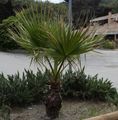
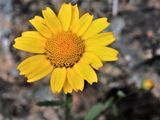
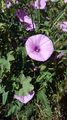
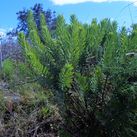
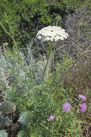
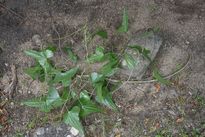
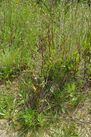
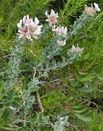
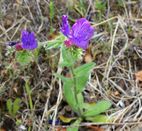
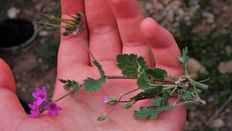
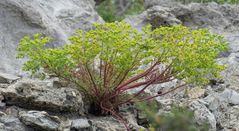
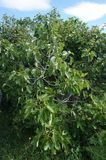
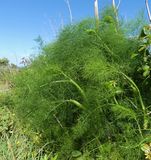
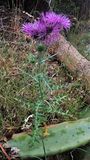
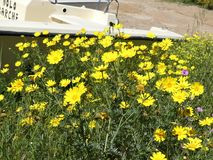
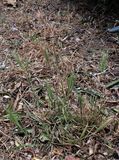
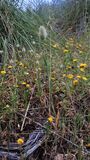
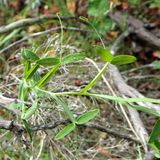
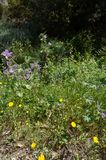
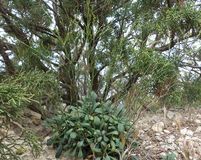
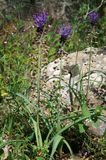
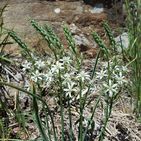
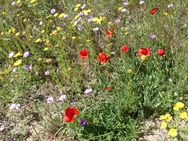
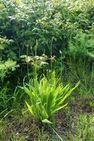
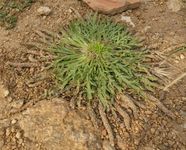
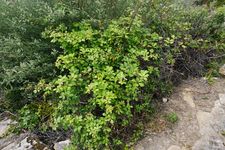
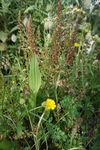
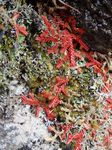
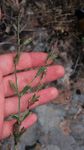
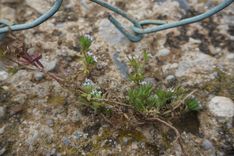
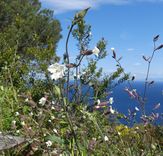
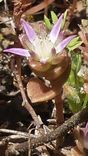
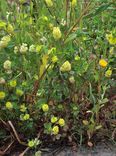
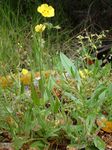
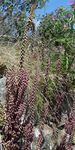
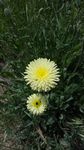
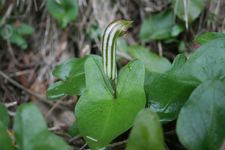
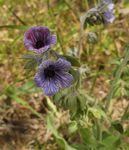
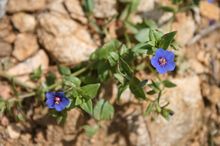
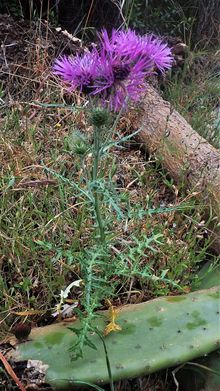
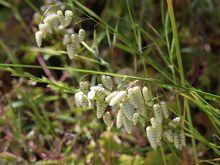
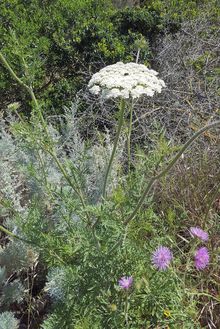
Ruderal areas or fallow land are sites that have been cleared by human activity or, in rarer cases, by natural events and then left to themselves. These include roadsides and roadsides, gaps between houses, garden corners, fallow fields or even cliff slopes where a landslide has recently occurred. What these areas have in common is that they all have a short period of bare soil that is free of plants, provides nutrients and is exposed to the sun. The vegetation at these sites, also known as ruderal vegetation, is characterised by its ability to colonise these sites very quickly and effectively. Colonisation can take place through seeds that are able to fly or through seeds that wait for the right moment in the soil for years or decades. Plants in ruderal areas must be highly stress-tolerant. They are often situated in an unprotected location with very high levels of sunlight. Flooding, trampling or other mechanical disturbances can also stress the plants there. In the initial phase, the areas are usually colonised by annual pioneer plants. More and more plants are then added from year to year. If the area is not cleared again for several years, perennial ruderal vegetation can develop. Typical plants for the ruderal areas in Giglio include Anagallis arvensis (field henbane), Galactites tomentosus (milk thistle), Briza maxima (tall quaking grass), Daucus carota (wild carrot) and, in large quantities, Glebionis coronaria, the crown usury flower.
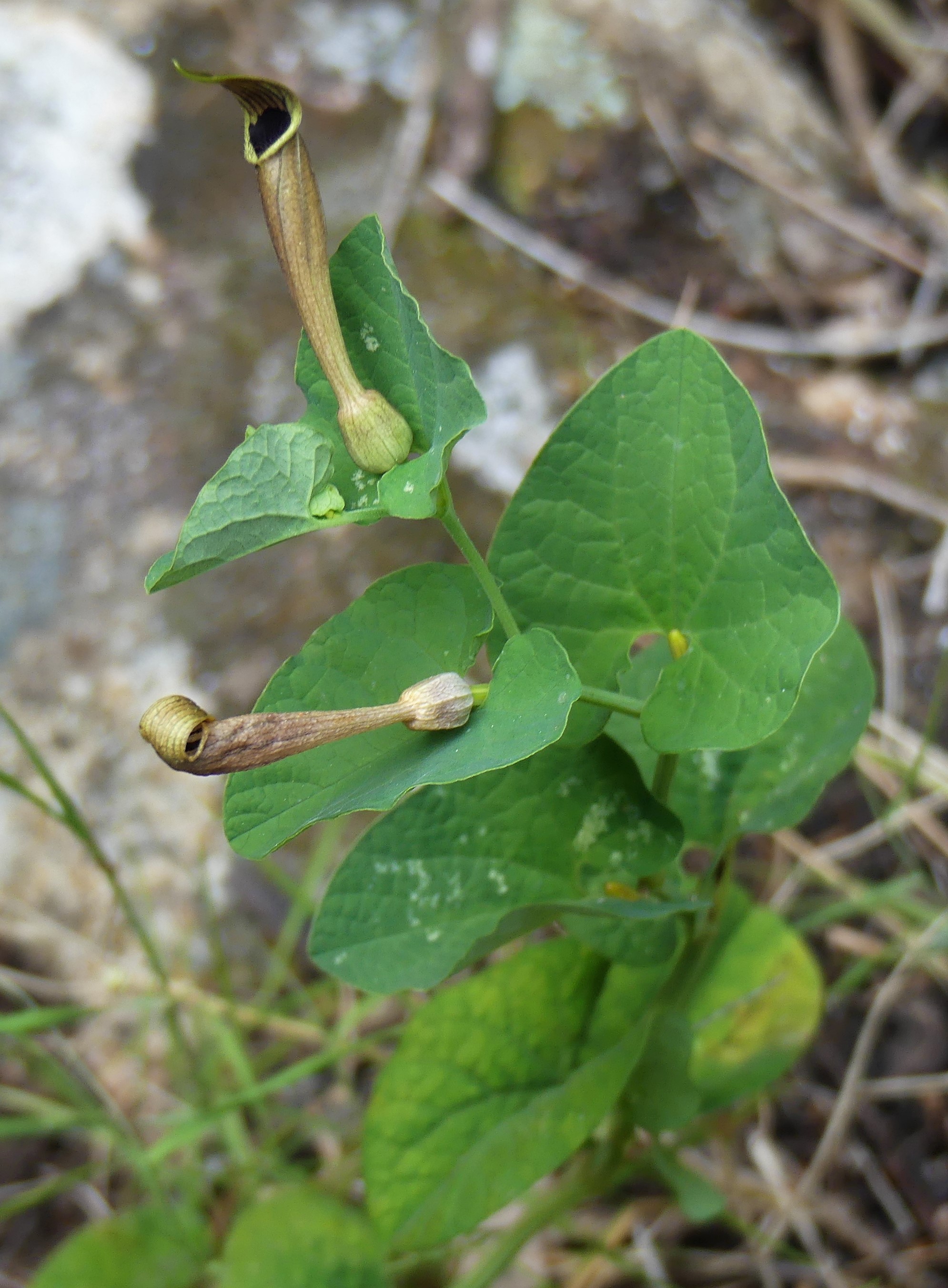
Please click on a picture to go to the respective plant description.