
News articles
News articles

Campus Life
International affairs
Training Iraqi teachers for special needs education

Top News
Human Medicine
Important foundations laid for the expansion of university medicine
Research
Top News
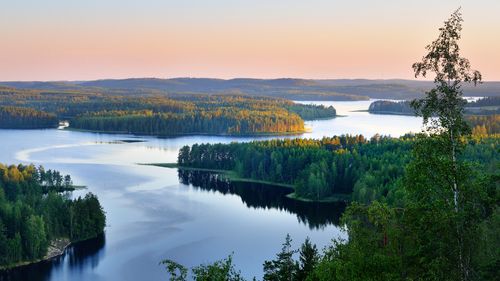
Environmental Sciences
Natural clean-up
Campus Life
Landing page [Discover] Service
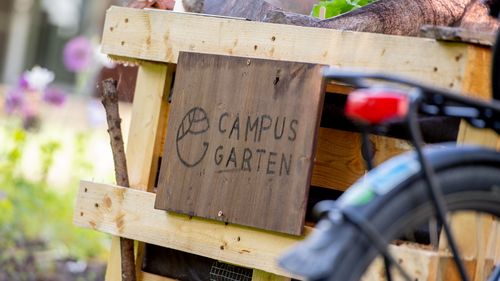
A garden for everyone
University Society UGO
Top News
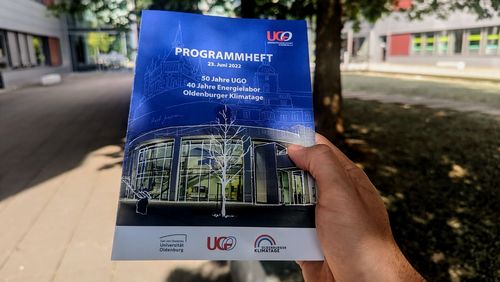
Building bridges between university, business and society
Top News
Marine Sciences
Research
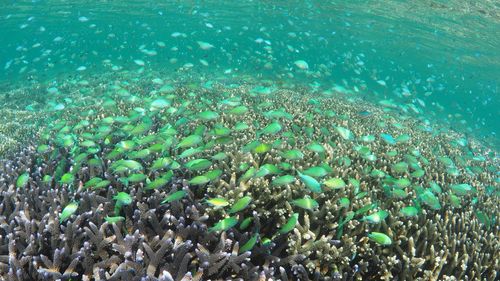
How harmful are sunscreens to corals?

Research
Top News
Marine Sciences
Fin whales back in Antarctica

Hearing Research
Excellence Strategy
Top News
Medical Physics and Acoustics
Research that makes people sit up and take notice

Top News
Health Services Research
Assitance system to improve older adults' quality of life
Top News
Environmental Sciences
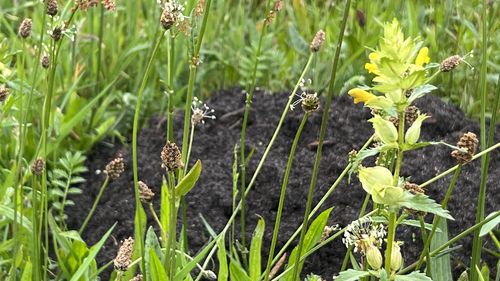
Help for the rattle pot

Excellence Strategy
Campus Life
Early Career
Medical Physics and Acoustics
Third place for Oldenburg researcher

Top News
Research
Philosophy
When heating in winter becomes a luxury
Botanical garden
Campus Life
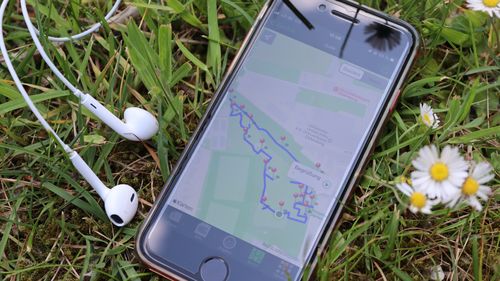
Flora and fauna "on your ears"

Presidential Board
Top News
International affairs
Cooperations
Overcoming borders together

Ukraine
Campus Life
Landingpage [Discover] Personal
Special Needs Education
Special assignment in Oldenburg's classrooms
Top News
Research
History
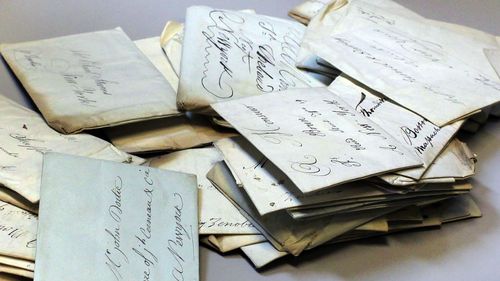
Snapshots of the past

Ukraine
Top News
German Studies
„We are witness to an epochal shift“

Top News
Environmental Sciences
Research
Chemistry
Catching microplastics with spider webs

Campus Life
Health Services Research
New firsts every day
Topics
- Astronomy
- Biology
- Botanical garden
- Chemistry
- Computing Science
- Cooperations
- Covid
- Culture
- Dutch Studies
- Early Career
- Economics
- Educational Sciences
- Energy
- Energy Research
- Environmental Sciences
- Equal opportunities
- German Studies
- Graduate academy
- Health Services Research
- Higher Education Policy
- History
- Human Medicine
- International affairs
- Marine Sciences
- Material Culture
- Medical ethics
- Medical Physics and Acoustics
- Music
- Neuroscience
- People
- Philosophy
- Physics
- Presidential Board
- Psychology
- Research
- Slavic Studies
- Social Sciences
- Special Needs Education
- Sport Science
- Study Affairs
- Sustainability
- Teacher Education
- Theology
- Transfer
- University Medicine
- Ukraine
- Wind Physics